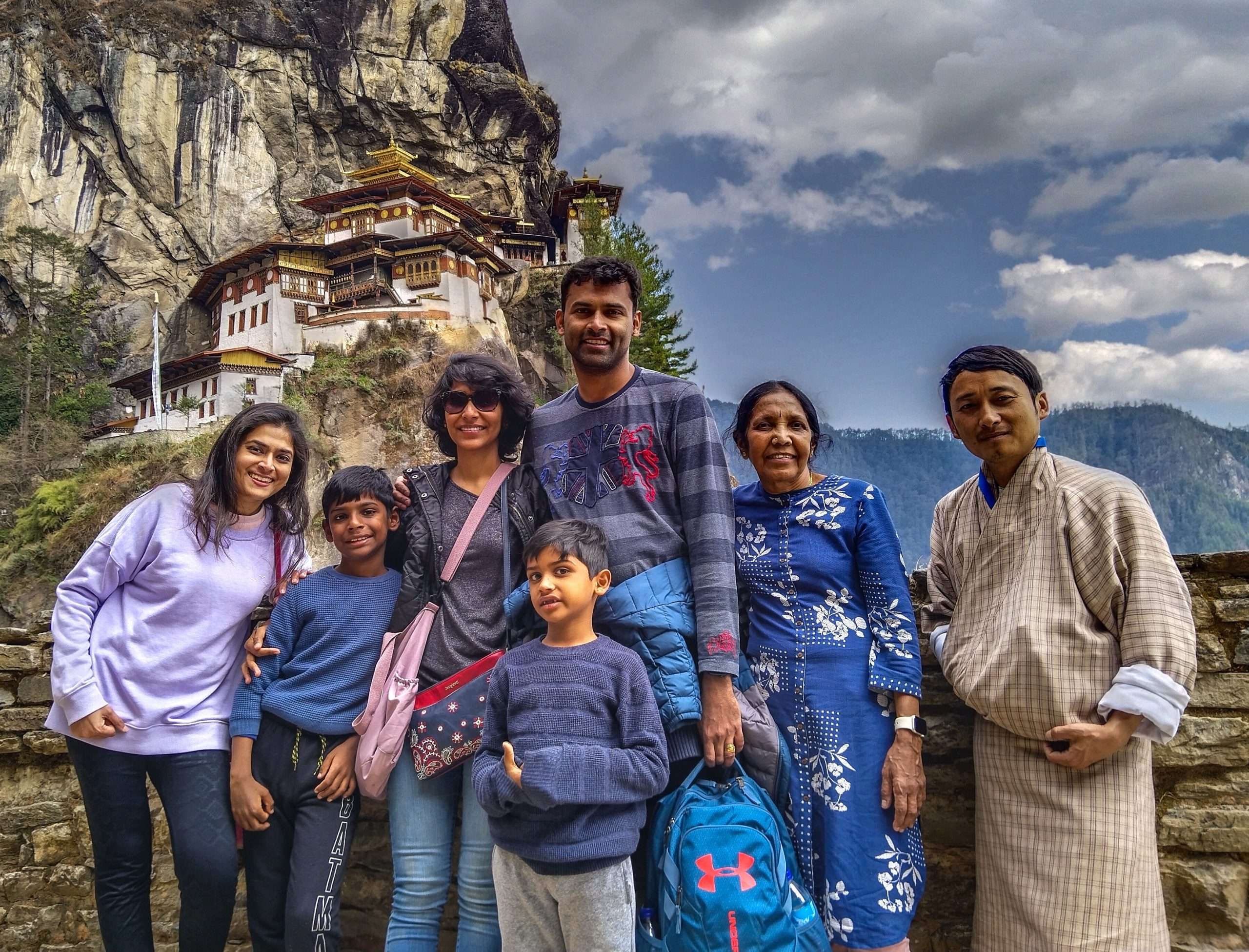
EXCELLENTVerified Esperienza meravigliosa Abbiamo appena terminato un tour di 7 giorni con Omsha Travel. È stata un'esperienza meravigliosa, l'organizzazione è stata perfetta e il proprietario il Sig.Nawang è stato di una gentilezza e disponibilità estrema.Sonam, la nostra guida e Tashi il nostro autista sono stati dei perfetti compagni di viaggio. Ci hanno aiutato a capire un paese bellissimo e ad approfondire la cultura buddista. Siamo immensamente grati a tutto il team per la qualità dei servizi ricevuti.Consigliamo vivamente Omsha Travel a tutti coloro che desiderano visitare il Bhutan.Posted onVerified A travel agency in Bhutan that is 100% recommendable. Very professional. Our ten-day trip was wonderful and very enriching. Our guide and driver were highly professional and attentive, making the experience extremely comfortable and exciting. The agency’s management was outstanding—everything was perfect and very professional. One of the best experiences we have had. Highly recommended. Congratulations.Posted onVerified Peaceful and unique Bhutan My experience was truly amazing from start to finish. Our guide was incredibly knowledgeable, kind and genuinely passionate about what they do! Our guide, Sonam was absolutely outstanding, she took the time to carefully explain each place we went to, sharing deep historical and cultural background in a way that was engaging and easy to understand. She never rushed us, always made sure we were comfortable, and answered every question with patience and enthusiasm. You could really feel how much she cared about making this experience meaningful for us. Thanks to Sonam, this tour was not just informative but truly memorable. I can’t recommend her and OMSHA highly enough.Posted onVerified Magical Tiger’s Nest The experience of hiking up the Tiger’s Nest was spiritual and breath-taking! It was our dream come true. Our guide, Sonam was very considerate with all our requests and needs. She is very knowledgeable of the touristy and local information that made our tour curated to our needs. We love her and our driver Takshi!Posted onVerified Omsha is the best! Had a wonderful trip organised by Omsha - Mr Na Wang responds very quickly and warmly to my inquiries, so I felt very welcomed even before the trip. I had the best combination of Sonam and Dashi, it was like traveling with friends! I learnt so much from them about Bhutan, but best of all they were attentive, thoughtful and made my trip such a memorable one. I miss them and Bhutan very much and will not hesitate to travel with Bhutan with them and Omsha again~ It's hard to put in words the magic of Bhutan, but traveling with Omsha is definitely the way to go.Posted onVerified Great first glimpse of Bhutan! My dad and I travelled to Bhutan for the first time and I decided to go with OMSHA because of the very reasonable offer I received from Nawang. He was always prompt in replying to all our questions and very flexible in accommodating all our requests in changing the itinerary to fit our needs. Our Guide was Ugyen Sonam and our driver was Tashi. They were both very friendly and professional. Sonam is very knowledgeable on the history and culture of Bhutan and Buddhism. Tashi is a great driver who always made us feel safe. We had a great time and can’t wait to go back to explore more :)Posted onVerified Great experience Excellent tour. Sonam was a terrific guide and really enjoyed the knowledge he shared about the monasteries, Bhutan and Buddhist history. Tashi was an excellent driver, very reliable and professional, always ready to go in the a.m. morning and always on time. Both very kind and very gracious. Nawang the owner was very easy to deal with and very nice meeting in person.Posted onVerified Smooth & Awesome I traveled to Bhutan with Omsha Travels, and it was truly one of the best experiences I’ve ever had. From the moment we landed, every arrangement was perfectly taken care of. Our guide, Ngawang Loday, and driver, Ngawang Kinley, were extremely respectful, professional, and warm, making our journey smooth and genuinely enjoyable. They played a huge role in making the entire experience beautiful and stress-free.A special mention to the travel coordinator, Ngawang, who personally came to meet us, handed over thoughtful gifts, and ensured that everything was going seamlessly throughout the trip. The level of care and hospitality was exceptional. I would definitely recommend Omsha Travels to anyone planning a trip to Bhutan.Posted onVerified Awesome Birding and Cultural Trip to Bhutan We did a 10 day trip in Bhutan with Omsha Travel. We covered the usual cultural sites of Paro, Thimpu and Punakha as well as other locations in Central Bhutan like Phobjikha, Trongsa and Yongkhola for birding activities.The overall booking process was very smooth and easy - Nawang was very responsive and provided itineraries and costs in a very transparent manner.The actual trip was quite flawless - Pema (birding guide) and Tashi (driver) met us at Paro airport and were with us throughout the trip. They made us feel at home right from the start and shared a lot of information and tips about Bhutan throughout the trip. Pema was very knowledgeable about the local bird species and his experience was vital in seeing 100+ bird species, most of which were completely new to me. Bhutan does not have dedicated bird sanctuaries or birding trails/hides - so, most of the birding is done along the highways and local roads - Pema knew exactly where to stop for a specific type of birds.Tashi was a very steady driver all through out (and we had quite a few long driving days) - always ready with a smile and infectious enthusiasm. Overall, it was a beautiful experience in a beautiful country - probably one of the last untouched Himalayan lands. Hopefully, will come back for another trip in spring, when the birds are said to be even more active.Posted onVerified Amazing trip to Bhutan with OMSHA Travel I had a wonderful trip to Bhutan with this agency.My guide Namgay was fantastic – she is very kind, knowledgeable and always helpful.Our driver Tashi was very safe and professional, and I felt comfortable the whole time.I highly recommend this company, especially guide Namgay and driver Tashi.
Bhutan Tour Packages:
Travel Tips:
Blog Posts:
Contact us:
Bhutan, the Land of the Thunder Dragon, is a stunning Himalayan kingdom known for its breathtaking landscapes, rich culture, and commitment to Gross National Happiness. Bhutan, the Land of the Thunder Dragon, is a mystical destination that has captivated the hearts of travelers, especially from India. Known for its stunning landscapes, rich cultural heritage, and commitment to sustainability, Bhutan offers an experience like no other. If you’re planning a trip from India, this comprehensive guide on Bhutan tour packages will help you navigate the best options available, how to get there, popular itineraries, practical tips, and estimated costs.
How to Get to Bhutan from India
One of the best things about traveling to Bhutan from India is the ease of access. Indians can enter Bhutan via both air and road, with a variety of travel options available. Here’s a comprehensive guide on how to get to Bhutan from India:
By Air: Flights from India to Bhutan
The quickest way to reach Bhutan from India is by air. The only international airport in Bhutan is Paro International Airport, located in the Paro Valley. Direct flights are available from several major Indian cities, making it a convenient choice for Indian travelers.
Major Indian Cities with Direct Flights to Bhutan:
- Delhi
- Kolkata
- Mumbai (Seasonal)
- Guwahati
Flights are operated by two airlines: Druk Air and Bhutan Airlines, which provide a comfortable and scenic journey into the Himalayan kingdom. The flight to Paro offers breathtaking aerial views of the snow-capped peaks, including Mt. Everest and Mt. Kanchenjunga.
By Road: Drive from India to Bhutan
For those who prefer a road trip, Bhutan is accessible by land through its border with West Bengal. The most popular entry point by road is Phuentsholing, which is just 3-4 hours from Bagdogra (Airport) in West Bengal. And another 4-5 hours from Phuentsholing to Thimphu.
Read: Your Complete Travel Guide from Bagdogra to Bhutan: All You Need to Know
Visa and Permits for Indian Tourists
Indian citizens enjoy the benefit of Visa-free travel to Bhutan, but you’ll need to acquire a travel permit. This can be done at the border or airport upon arrival. As a part of the travel permit process, the SDF must be paid before entering Bhutan. If you book with a licensed Bhutanese tour operator (like us at OMSHA Travel), we handle the entire permit and SDF process for you in advance, saving you time and hassle.
Required Documents for Indian Citizens:
- Copy of Valid Passport (with at least six months validity) or Voter ID.
- Copy of Passport-sized photo for permits.
Popular Bhutan Tour Packages from India
Bhutan offers a range of tour packages that cater to different interests and travel styles. Your tour packages depend on the number of days required to visit Bhutan and the number of days required to visit Bhutan depends on whether you’re entering Bhutan via Bagdogra (by road) or taking a direct flight to Paro.
Key Differences Between the Two Options:
- Bagdogra (By Road): This option takes longer due to the road travel from Bagdogra to Phuentsholing and then onwards to other parts of Bhutan. You’ll need at least 7 to 10 days to fully enjoy this route.
- Flight to Paro: A direct flight to Paro is more time-efficient, and you can cover Bhutan’s key attractions in 5 to 7 days. It allows for more time spent sightseeing and less time traveling.
Here’s a breakdown of how many days you should plan for each route:
1. Bhutan Trip via Bagdogra (By Road through Phuentsholing)
Recommended Duration: 7 to 10 days
If you’re traveling to Bhutan via Bagdogra, the most common route is to drive to Phuentsholing, the border town of Bhutan, and then continue to destinations like Thimphu, Paro, and Punakha. This route allows for a gradual introduction to Bhutan, starting from the southern region and heading into the more famous western part of the country.
Here’s a sample itinerary:
Day 1: Arrive in Bagdogra – Drive to Phuentsholing (4-5 hours)
Day 2: Phuentsholing to Thimphu (5-6 hours)
Day 3: Explore Thimphu
Day 4: Thimphu to Punakha (3 hours)
Day 5: Punakha to Paro (4-5 hours)
Day 6: Explore Paro – Tiger’s Nest Hike
Day 7: Paro to Phuentsholing
Day 8: Departure
If you want to explore more regions like Gangtey/Phobjikha valley or Bumthang, adding 2-3 extra days is recommended, extending your trip to 10 days.
Here is the 8 Day Tour from Bagdogra.
2. Bhutan Trip by Direct Flight to Paro
Recommended Duration: 5 to 7 days
Flying directly to Paro allows you to save time on the road and focus more on exploring Bhutan’s main tourist regions. With direct flights from Indian cities like Delhi, Kolkata, and Guwahati, you can quickly get to the heart of Bhutan’s attractions.
Here’s a sample itinerary:
Day 1: Arrive in Paro – Travel to Thimphu (1.5 hours)
Day 2: Explore Thimphu
Day 3: Thimphu to Punakha (3 hours)
Day 4: Punakha to Paro (4-5 hours)
Day 5: Paro – Tiger’s Nest Hike
Day 6: Departure
If you prefer a more relaxed pace or want to include a few more destinations, you can easily extend the trip by a couple of days to make it a 7 Day Best of Bhutan Tour.
Practical Tips for Traveling to Bhutan from India
To ensure a smooth and enjoyable trip, here are some practical tips for traveling to Bhutan from India:
Early Planning Matters
To ensure a smooth and enjoyable travel experience to Bhutan, it’s best to start planning 2 to 3 months in advance. This time frame will allow you to secure permits, book flights and accommodations, and make the most of your visit to this enchanting kingdom.
Currency and Connectivity
Currency: Bhutan’s official currency is the Ngultrum (BTN), which is pegged 1:1 with the Indian Rupee (INR). Indian Rupees are universally accepted throughout the country. While UPI payments are becoming more common in major towns, we highly recommend also carrying sufficient cash for any emergencies where digital payment might not be an option.
SIM Cards: Your Indian SIM will work in Phuentsholing but will roam once you move further into Bhutan. For better rates, you can buy a local Bhutanese SIM (from operators like TashiCell or B-Mobile) in Phuentsholing or Thimphu. Your guide can assist with this.
Booking through a local Tour operator
Booking your tour through a licensed travel agent is highly recommended. Here are several reasons why using a travel agent is essential.
Compliance with Bhutan’s Tourism Regulations: Bhutan has a unique tourism policy that emphasizes “high-value, low-impact” tourism. This means that all foreign travelers are recommended to book their trips through licensed Bhutanese tour operators. This regulation is in place to ensure that tourism is sustainable and that visitors have a meaningful experience while preserving Bhutan’s culture and environment.
Requirement of a Licensed Guide: One of the key regulations in Bhutan is that all tourists must be accompanied by a licensed guide when visiting specific attractions. These guides are knowledgeable about Bhutanese culture, history, and geography, and their presence enriches the travel experience.
Packing Essentials for Bhutan
Clothing: Light clothes for summer and warm layers for winter. Even in summer, it can get chilly in the mornings and evenings, especially at higher altitudes.
Footwear: Comfortable hiking shoes are a must, especially for treks like Tiger’s Nest.
Documents: Carry a passport or voter ID for permits. Also, keep photocopies of your documents handy.
Health and Safety in Bhutan
Altitude: Some areas of Bhutan, like Phobjikha and Bumthang, are at high altitudes. Altitude sickness can be an issue, so stay hydrated, avoid alcohol, and take it slow when adjusting to the elevation.
Travel Insurance: It’s recommended to have travel insurance that covers medical emergencies.
Comfort is Key: The road can be winding. If you are prone to motion sickness, bring appropriate medication.
Best Time to Travel from Bagdogra to Bhutan
Bhutan’s climate varies across regions, and the best time to visit generally depends on your interests.
- Spring (March to May): Ideal for witnessing Bhutan’s famous rhododendron blooms and cultural festivals.
- Autumn (September to November): Clear skies, great for trekking and outdoor activities, with major festivals like Thimphu Tshechu occurring.
- Winter (December to February): Lower tourist volume and a great time to explore lower regions. Snowfall is common in higher altitudes, adding a magical touch to the landscape.
- Monsoon Season (Jun-Sep): Travel is still possible, but be prepared for occasional landslides and roadblocks that can cause significant delays. Flexibility is key during this time.
Cost of Bhutan Tour Packages from India
The cost of Bhutan tour packages from India can vary depending on the type of accommodation, length of stay, and activities included. Here’s a general idea of the costs involved:
1. Sustainable Development Fee (SDF):
- Indian citizens benefit from visa-free travel to Bhutan; however, a travel permit is required. As part of the travel permit process, you must pay the Sustainable Development Fee (SDF) before entering Bhutan, which is ₹1,200 per person per night. Here are more details on SDF.
2. Flight Costs:
- Round-trip flights from India to Paro, Bhutan range between ₹29,000 to ₹38,000, depending on the city you travel.
3. Accommodation:
- Budget hotels: ₹3,000 to ₹5,000 per night.
- Mid-range hotels: ₹7,000 to ₹10,000 per night.
- Luxury hotels: ₹22,000 and above per night.
4. Monuments & Museum Fees:
- Please note the entrance fees to various monuments (Dzongs and temples) and museums in Bhutan. These are typically nominal charges ranging from 500 to 1000 that are payable directly at the sites.
5. Meal Costs:
- Local meals can cost around ₹400 to ₹600 per meal.
- Dining at upscale restaurants can range from ₹800 to ₹1,500 per meal.
6. Tour Package Costs:
- A 5-day Bhutan tour package typically costs around ₹35,000 to ₹50,000 per person, including accommodation, meals, and transportation.
- A 7-day adventure tour can range between ₹50,000 to ₹75,000 per person.
- A 10-day luxury or spiritual package may cost ₹1,00,000 or more, depending on the level of service and accommodations.
Cultural Etiquette: Respecting the Bhutanese Way of Life
Bhutanese culture is deeply spiritual and respectful. Following these etiquette tips is essential.
- Dress Modestly: Especially when visiting dzongs (fortresses) and temples. Cover your shoulders and knees. It’s respectful to remove your shoes and hat before entering any religious building.
- Ask Before Photographing: Always ask for permission before taking photos of people, especially monks and inside temples (where photography is often prohibited).
- Respect Religious Artifacts: Avoid touching sacred objects, murals, or statues. Always walk clockwise around stupas and prayer wheels.
- Be Mindful of Gestures: Avoid public displays of affection. Pointing with a finger is considered rude; instead, gesture with an open hand.
- Practice “Kuzuzangpo”: A simple greeting in the local language, Dzongkha, goes a long way in showing respect.
Sustainable and Responsible Travel
Bhutan is a global leader in sustainable tourism. Here’s how you can contribute positively during your visit:
- Support the Local Economy: Your SDF directly funds national development. Go further by eating at local restaurants, buying handicrafts directly from artisans, and choosing locally-owned hotels.
- By booking with a small, local operator like, your money supports local business and communities directly, instead of being absorbed by the international chain hotels and large overseas travel companies..
- Leave No Trace: Bhutan is pristine. Carry a reusable water bottle, avoid single-use plastics, and ensure you take all your trash with you. Stick to marked trails during hikes to prevent erosion.
- Respect Wildlife: Observe wildlife from a distance and never feed animals. Choose ethical tours that do not disrupt natural behaviors.
- Conserve Resources: Bhutan’s ecosystems are delicate. Be mindful of your water and energy usage in hotels, taking shorter showers and reusing towels.
Conclusion: Journey to Happiness
A trip to Bhutan is more than just a vacation; it’s an immersion into a philosophy of life that values harmony, respect, and happiness above all else. By choosing a mindful tour package and traveling with respect, you become a part of Bhutan’s unique story of sustainability.
Ready to embark on your unforgettable journey to the Last Shangri-La? Contact us today to find the perfect Bhutan tour package from India and plan your adventure with a trusted, local expert.