When you travel to Bhutan, you’ll discover much more than stunning mountain landscapes and vibrant festivals. You’ll also experience a rich culinary tradition that reflects the country’s values, environment, and love for bold, spicy flavors. Bhutanese cuisine is unlike anything you’ve tried before—deeply local, rooted in Himalayan culture, and full of hearty dishes meant to warm the soul in high-altitude climates.
In this comprehensive guide, we’ll walk you through the essentials of Bhutanese food, including the most iconic dishes, ingredients, eating customs, and where you can taste authentic meals while traveling in the Land of the Thunder Dragon.
1. What Makes Bhutanese Cuisine Unique?
Bhutan’s cuisine is shaped by its geography, climate, and Buddhist culture. Nestled in the Himalayas, Bhutan has limited arable land, so the food is locally sourced and seasonal, relying heavily on chilies, cheese, rice, buckwheat, and dairy. The high altitude also means meals are warming, filling, and nutrient-rich.
A standout feature? Almost every dish includes chilies—not as a seasoning, but as a vegetable. Bhutanese people love their spice, and it’s common to see fresh red and green chilies in everything from soups to stir-fries.
2. Ema Datshi – The favorite Dish of Bhutan
If you try one dish in Bhutan, make it Ema Datshi.
- Ema = chilies
- Datshi = cheese
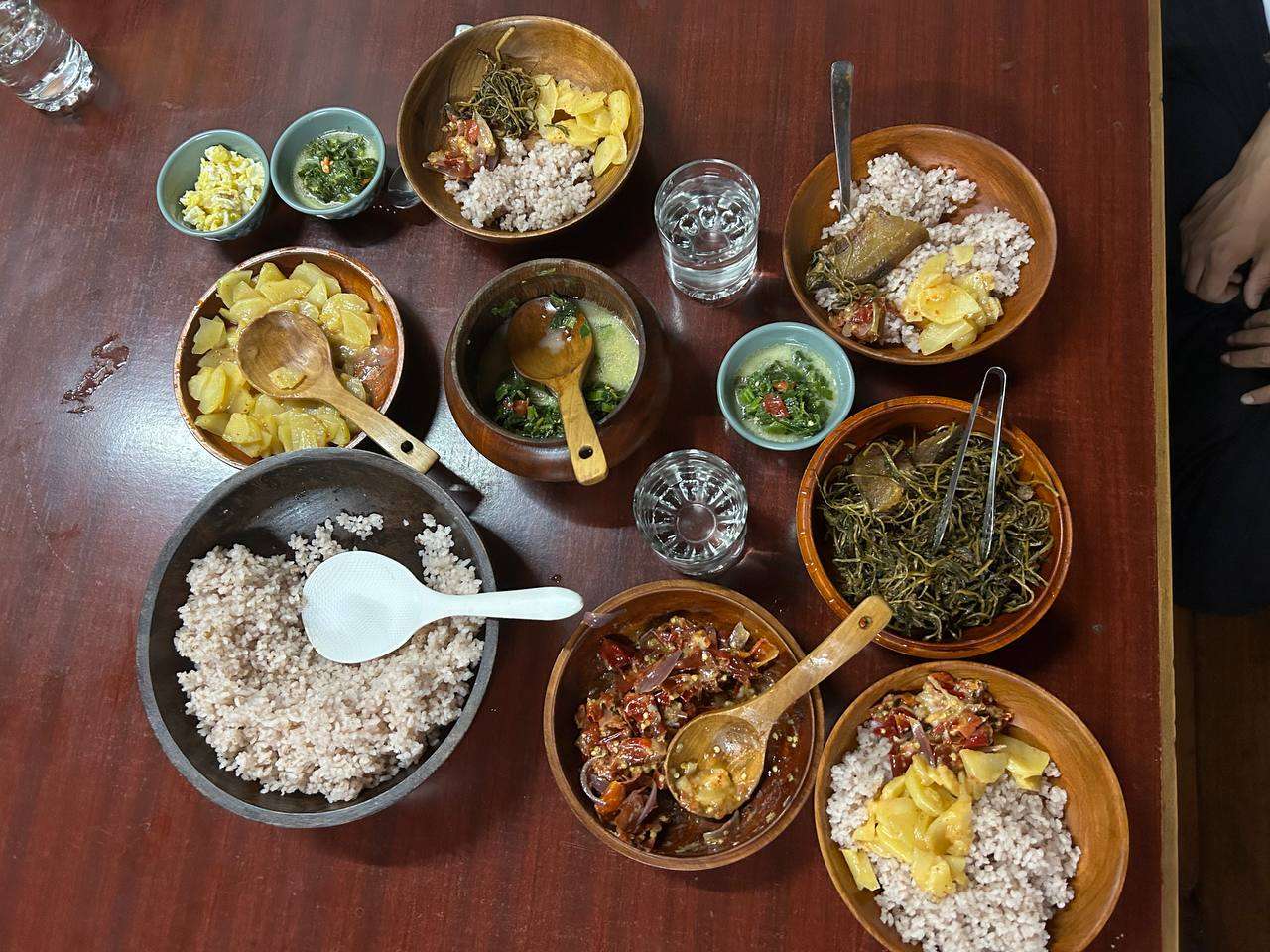
This dish consists of sliced green or red chilies cooked in a rich, homemade cheese sauce made from yak or cow milk. It’s creamy, fiery, and deeply comforting. Variations include Shamu Datshi (with mushrooms), Kewa Datshi (with potatoes), and even Shakam Datshi (with dried beef).
Tip: If you’re not used to spicy food, ask for a milder version—but know that even a “mild” Ema Datshi might bring tears to your eyes!
3. Staple Foods: Red Rice, Buckwheat, and Maize
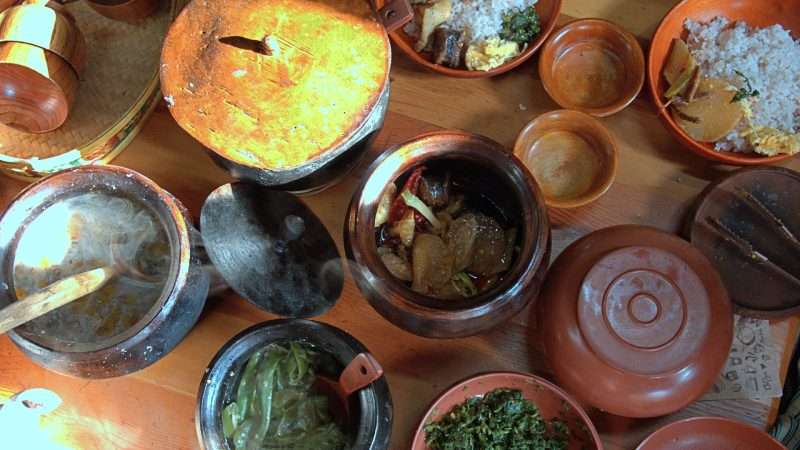
Bhutan’s staple carbohydrate is red rice, a nutty, slightly chewy grain that grows well in high-altitude valleys. It’s served with almost every meal, often accompanied by multiple side dishes.
In colder regions like Bumthang, locals also consume buckwheat pancakes (Khuley) and noodles (Puta). In eastern Bhutan, maize is more common and used in porridges or ground into flour for bread.
These grains are not only healthy but also sustainable and deeply embedded in the agricultural lifestyle of the Bhutanese people.
4. Meats, Vegetables, and Proteins in Bhutanese Cooking
Meat is widely consumed in Bhutan, though it’s almost always imported from India, as killing animals is discouraged due to Buddhist beliefs. Common meats include:
- Pork (Phaksha)
- Beef (Shakam) – often dried and used in stews
- Chicken
- Yak meat in higher elevations
Vegetables are abundant and seasonal. You’ll often find dishes with:
- Spinach
- Pumpkin
- Beans
- Fiddlehead ferns
- Turnip greens
Most dishes are stir-fried, stewed, or boiled and served alongside red rice.
5. Momos – Bhutan’s Favorite Snack
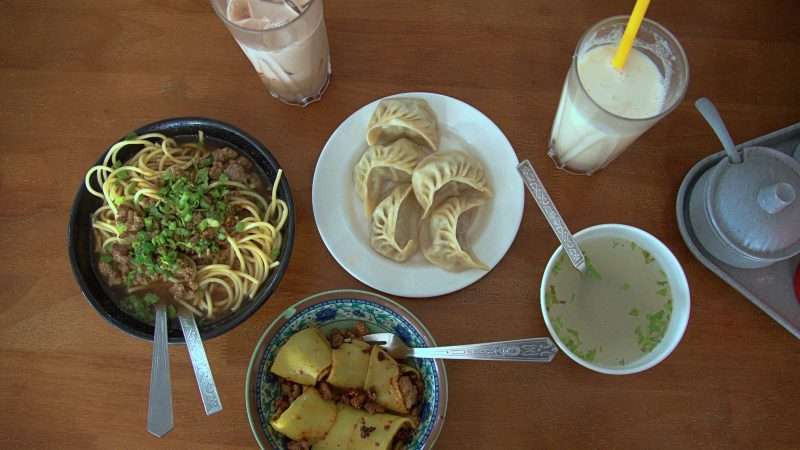
Momos, the famous Himalayan dumplings, are a favorite across Bhutan. These steamed or fried dumplings are typically filled with:
- Minced meat (beef, pork, or chicken)
- Vegetables and cheese
- Chilies (yes, again!)
Momos are served with spicy chili dipping sauces and are popular during festivals, road trips, and tea-time gatherings.
6. Bathub – Bhutan’s Comforting Noodle Soup
Bathub (sometimes spelled Bathup) is a hearty Bhutanese noodle soup, often enjoyed during colder months. It’s a true comfort food that warms both the body and the soul, especially in Bhutan’s high-altitude villages.
This thick soup is made from hand-rolled dough noodles, simmered in a savory broth with ingredients like:
- Finely chopped vegetables (spinach, onions, cabbage)
- Minced meat (beef or pork, though vegetarian versions are also popular)
- Butter, cheese, and local spices for extra richness and flavor
Some versions even include a mild chili paste to give it that signature Bhutanese kick.
Bathub is commonly served in households, and some local restaurants. It’s a favorite among locals during rainy or chilly days and a great introduction to Bhutan’s soul-nourishing dishes for travelers.
7. Suja and Ara – Local Beverages to Try
You can’t explore Bhutanese cuisine without tasting its distinctive drinks:
Suja (Butter Tea):
Made from yak butter, tea leaves, and salt, Suja is often served during ceremonies or social visits. Its rich, salty flavor can be surprising for first-timers but is deeply warming and energizing.
Ara (Local Alcohol):
Ara is a traditional distilled or fermented drink made from rice, maize, or wheat. It’s usually homemade and served warm, especially during winter and festivals. Be cautious—it’s strong and often consumed in generous amounts during village celebrations!
8. Eating Etiquette in Bhutan
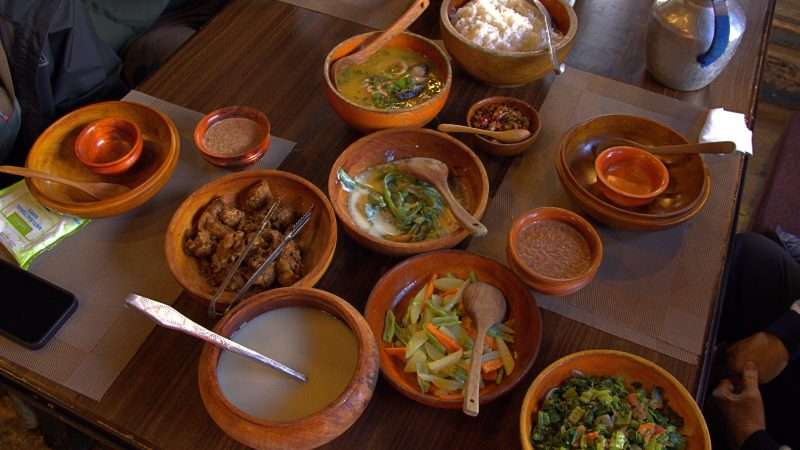
Dining in Bhutan reflects respect, tradition, and hospitality. Here are a few customs to keep in mind:
- Wash your hands before and after meals—many meals are eaten with the hand, especially in rural areas.
- Use the right hand for eating and passing items.
- It’s polite to say “Meshu Meshu” and gently refuse food the first time it’s offered, then accept it after being offered again.
- Don’t waste food—Bhutanese people value food deeply and avoid excess or wastage.
9. Vegetarian and Vegan Options in Bhutan
While meat is common, Bhutan is very vegetarian-friendly, especially in monastic and urban areas. Many Buddhist practitioners avoid meat on sacred days, and restaurants offer a range of vegetarian dishes like:
- Ema Datshi
- Kewa Datshi
- Lentil soups (Dal)
- Fried rice with seasonal veggies
- Shamu Datshi – mushrooms simmered in a creamy cheese sauce
- Spinach or mustard greens stir-fried with garlic and light seasoning
- Bathub (vegetarian version) – a thick noodle soup with mixed vegetables in a light broth
Vegan travelers may need to be more specific about dairy, especially cheese and butter, which are key parts of the cuisine. Guides from Omsha Travel can help ensure dietary needs are met.
10. Where to Taste Authentic Bhutanese Food
To truly savor Bhutanese cuisine, try eating at:
- Farmstays and Homestays – Enjoy meals prepared by local families using traditional methods.
- Local Restaurants – Especially in Thimphu, Paro, and Punakha for a range of flavors.
- Festival Food Stalls – Great for sampling quick bites like momos, fried rice, and spicy snacks.
🍽️ Explore more: Homestay Experiences in Bhutan
11. Popular Dishes You Should Try in Bhutan
Here’s a quick food bucket list for your Bhutan trip:
- Ema Datshi – chilies and cheese
- Phaksha Paa – pork cooked with red chilies and radish
- Shakam Paa – dried beef with chilies
- Jasha Maru – spicy chicken stew
- Khuley – buckwheat pancakes
- Bathub – warm noodle soup with meat or vegetables
- Hoentay – festival dumplings from Haa Valley
- Red Rice – Bhutan’s staple
- Suja and Ara – butter tea and local liquor