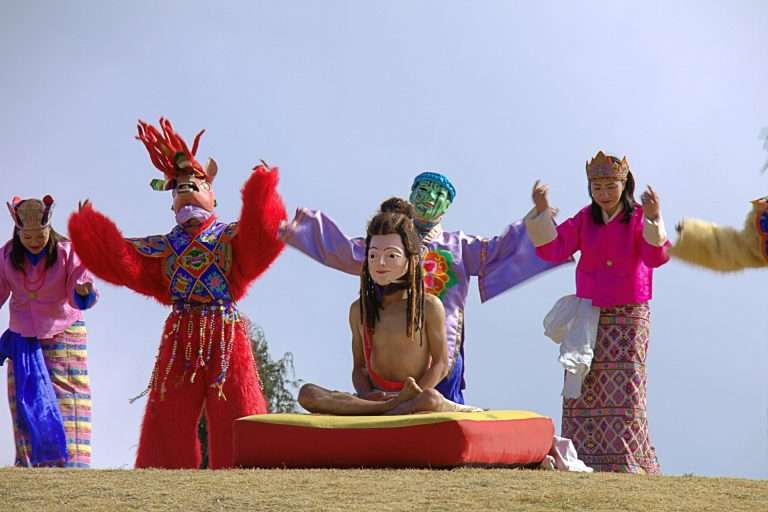

If you’re tired of packed tourist spots and dream of finding peace on the trails, this one’s for you. Bhutan is more than just Tiger’s Nest and Dochula Pass—it’s a hiker’s dreamland full of hidden gems. In this blog, we’ll explore four less-traveled but equally stunning hikes that promise solitude, natural beauty, and authentic local encounters.
Why Go Off the Beaten Path?
Escaping the Crowds
Let’s be honest—sometimes popular trails can feel like busy city sidewalks. Going off the beaten path means fewer people and more of nature, just for you.
Finding Peace in Nature
There’s something magical about hearing birds instead of crowds. These quiet hikes offer that serenity—perfect for reflection, mindfulness, or just a deep breath of fresh mountain air.
1. Dodeydra Hike – Tranquility Above Thimphu

What Makes Dodeydra Unique?
Located above Thimphu city, the Dodeydra Hike is a short yet spiritually enriching trail that leads to one of Bhutan’s most serene monastic institutions—Dodeydra Monastery.
Trail Overview
The hike begins from Dechencholing Lhakhang and winds gently uphill through pine forests and chirping bird calls. The trail takes about 1.5 to 2 hours depending on your pace.
What to Expect Along the Way
You’ll pass through peaceful forests, cross a couple of small wooden bridges, and spot prayer flags fluttering in the wind—inviting you into Bhutan’s spiritual heart.
Perfect for Morning Meditation
This trail is best done early morning. As the sun rises over Thimphu, the forest glows golden—truly a zen-like experience.
Ending with Spiritual Vibes at Dodeydra Monastery
The hike ends at Dodeydra Monastery, where monks live and study in complete silence. You’re welcome to sit, reflect, or just soak in the calm energy.


Location and How to Get There
Found near Pele La Pass in central Bhutan, Longtey is about an hours’ drive from Gangtey.
What Sets It Apart?
Rhododendrons! If you’re visiting between March and May, you’ll find the forest floor lit up with colorful blooms like nature’s fireworks.
Trail Highlights
The trail begins in a traditional village, cuts through mossy old-growth forests, and opens up to panoramic valley views. Expect to walk 3-4 hours.
Best Time to Hike Longtey
Spring is your best bet—clear skies and blooming flowers. Autumn offers crisp air and golden landscapes.
Wildlife You Might Encounter
Watch out for the elusive Himalayan monal, yaks, or even barking deer. If you’re lucky, the black-necked cranes might grace the skies above.
3. Kabji Hoka Tsho Hike – A Hidden Lake Adventure


The Journey to Kabji
Nestled above Punakha, Kabji Hoka Tsho is a peaceful alpine lake reached after a beautiful uphill trek through conifer forests.
An Untouched Gem
This hike is still relatively unknown—even among locals. The lake feels untouched, like a place forgotten by time.
Trekking Tips for Kabji Hoka Tsho
The trail takes about 4–5 hours round trip. It’s moderate in difficulty, with a steep final stretch. Bring good shoes and a walking stick.
Serenity by the Water
Once there, the calm water reflects the surrounding cliffs and sky like a mirror. It’s perfect for journaling, meditating, or just relaxing with a snack.
What to Pack
Water, snacks, warm clothes (it gets chilly!), and a camera—you’ll want to remember this place.
4. Kuenzangdra Hike – History Meets Heights


A Hike to a Sacred Cliffside Retreat
Located in Bumthang, the hike to Kuenzangdra Monastery is steep but rewarding. It offers both natural beauty and a slice of Bhutanese spiritual history.
Rich History and Spiritual Legacy
Built in the 15th century, Kuenzangdra is said to be a meditation site of Terton Pema Lingpa, a revered treasure revealer.
What You’ll See Along the Trail
The 2-hour hike winds through pine and fir forests, passes meditation huts, and leads to a cliff-edge retreat with jaw-dropping views of Tang valley.
Best Season to Go
Try late spring or early autumn. Avoid monsoon months—it gets muddy and slippery.
Cultural Touchpoints Along the Way
Locals may tell you stories of monks who meditated here for years in solitude. If you’re lucky, you might be offered butter tea at the monastery.
Tips for Enjoying These Quiet Hikes
Hike Responsibly
Leave no trace. Carry your trash, avoid picking plants, and respect wildlife.
Respect Local Customs
These trails often pass sacred places. Dress modestly, speak softly, and follow the lead of local guides if you hire one.
Travel Light but Prepared
Weather can shift quickly. A light rain jacket, layers, and a reusable water bottle are essentials.

When Is the Best Time to Do These Hikes?
Seasonal Guide
- Spring (March–May): Best for flowers, birdwatching, and pleasant temperatures.
- Autumn (Sept–Nov): Crisp air, clear skies, and golden landscapes.
- Summer (June–Aug): Lush but muddy. Expect leeches and rain.
- Winter (Dec–Feb): Cold but peaceful. Great visibility if you can handle the chill.
Festivals You Might Catch Nearby
Plan around local tshechus (festivals) for a bonus cultural treat after your hike. Punakha and Bumthang have some of the best!
Final Thoughts – Let Nature Be Your Guide
Bhutan’s hiking trails aren’t just about physical exercise—they’re a soulful journey. These four lesser-known hikes offer something that crowded tourist trails simply can’t: silence, wonder, and the beauty of the road less taken.
If you’re someone who finds magic in stillness, who enjoys every bird call and breeze through the trees, these hikes are calling your name.
FAQs
- Are permits required for these hikes in Bhutan?
While special permits are generally not required for most hikes, all tourists must travel on a pre-arranged tour package, which includes a licensed guide. Your guide will accompany you on the hikes as part of the package. - Are these hikes suitable for beginners?
Yes! While some are steeper, none of them require technical climbing experience. Just decent fitness and good shoes. - Can I hike solo in Bhutan?
Independent trekking isn’t allowed. You must travel with a licensed guide, but that adds safety and cultural insight to your journey. - What gear should I bring for these hikes?
Comfortable hiking shoes, weather-appropriate layers, water, snacks, and a basic first-aid kit. A trekking pole can be helpful too.