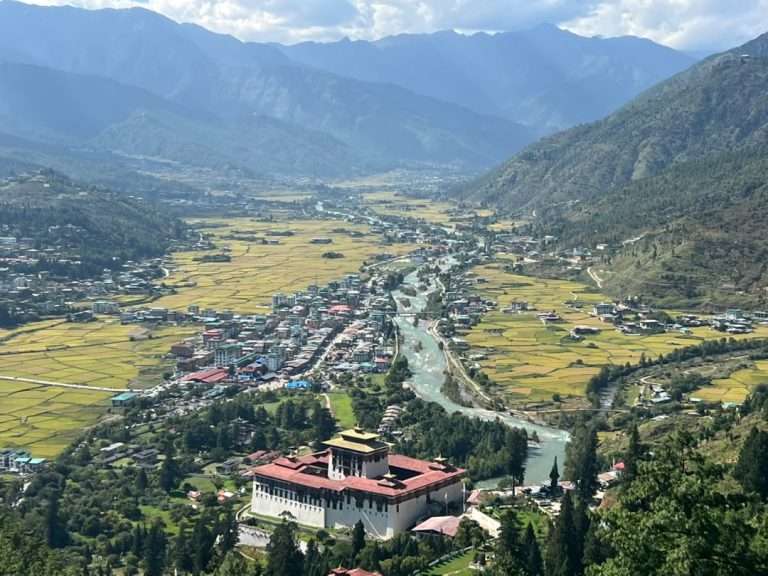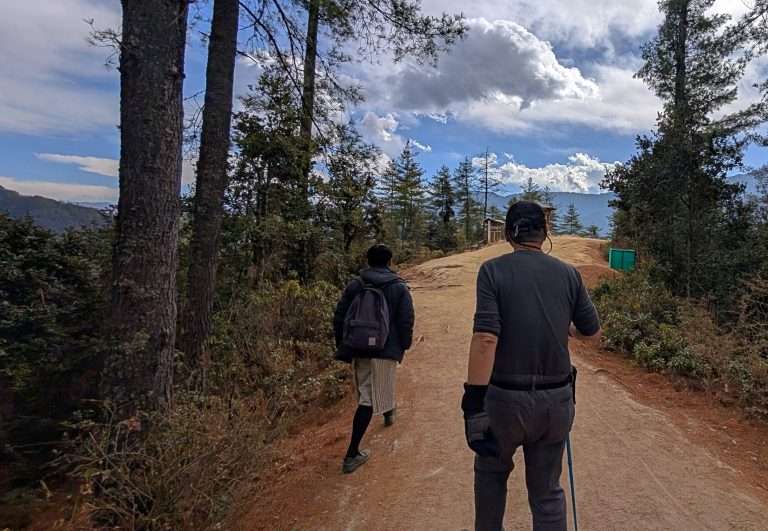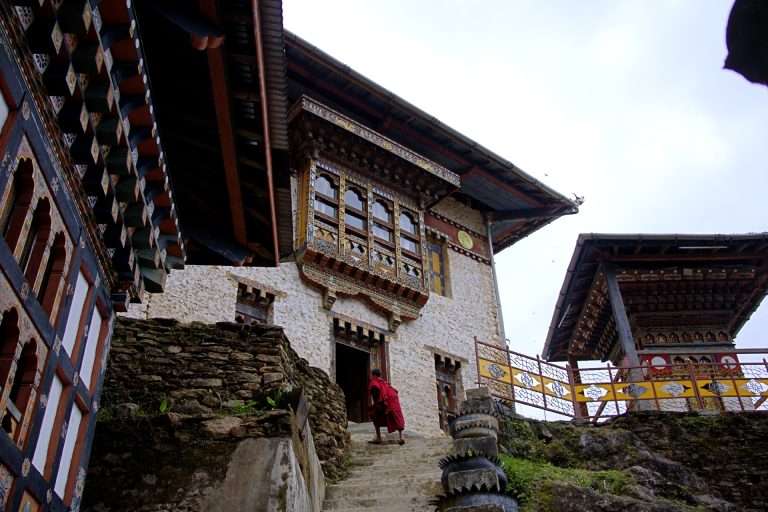
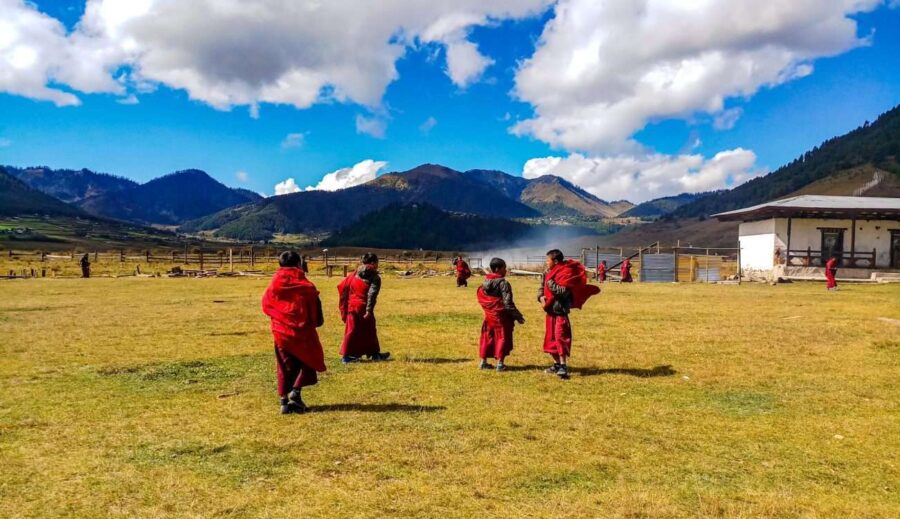
Thinking of visiting the mystical Himalayan kingdom of Bhutan? You’re not alone. More and more American travelers are being drawn to this serene land of monasteries, mountains, and Gross National Happiness. Bhutan, often called the Land of the Thunder Dragon, is a mystical kingdom nestled in the Eastern Himalayas.
With its untouched Himalayan landscapes, mystical monasteries, and deep-rooted culture, Bhutan has become a must-visit destination for American travelers seeking a mix of serenity and adventure. Whether you’re based in New York, Los Angeles, or San Francisco, getting to Bhutan might seem like a puzzle—but don’t worry—we’re here to piece it all together for you.
Understanding Bhutan’s Entry Rules
Bhutan is not your typical tourist destination, and that’s part of its charm. Here’s what U.S. travelers need to know:
- Visa Requirement: Yes, Americans need a visa. But it’s simple—your Bhutanese tour operator will apply for it on your behalf.
- SDF (Sustainable Development Fee): USD $100 per person per day. This fee supports Bhutan’s commitment to high-value, low-impact tourism.
- Pre-arranged Tours: Independent travel isn’t permitted. Hiring a licensed guide is necessary to explore the country. Therefore, it is necessary to book through a local tour operator for a smooth, enriching, and culturally immersive trip.
How to Get to Bhutan from the USA
No Direct Flights from the U.S.
There are no direct flights from the United States to Bhutan. Travelers need to connect via cities in Asia.
Common Transit Hubs
Most Americans fly to Bhutan via:
- India: New Delhi, Kolkata, Bagdogra, Guwahati, and Gaya
- Thailand: Bangkok (Suvarnabhumi). Daily flights.
- Nepal: Kathmandu. Daily flights.
- Bangladesh: Dhaka. Twice a week (Mondays and Fridays)
- Singapore: Twice a week (Thursdays and Sundays)
- United Arab Emirates: Dubai (DXB). Twice a week (Tuesdays and Saturdays).
From these hubs, you can fly to Paro International Airport (the only international airport in Bhutan).
Popular Routes:
- Kathmandu to Paro: Kathmandu, Nepal, there are daily flights to Paro, providing an additional option for a scenic flight into Bhutan. Fare: Approximately $457 (round trip)
- New Delhi to Paro: New Delhi is another hub with frequent flights to Paro. This is one of the most popular routes for travelers from the USA. Fare: Approximately $590 (round trip)
- Bangkok to Paro: Bangkok offers daily flights to Paro and is a convenient stopover. Fare: Approximately $935 (round trip)
- Singapore to Paro: Twice a week (Thursdays and Sundays) Singapore is another excellent hub with connections to Bhutan. Fare: Approximately $1085 (round trip)
- Dubai (DXB) to Paro: This route serves travelers from the Middle East and neighboring regions. Dubai (DXB). Twice a week (Tuesdays and Saturdays). Fare: Approximately $1,445 (round trip).
Suggested Routes from Major U.S. Cities
- New York (JFK): JFK → Bangkok → Paro
- Los Angeles (LAX): LAX → Delhi → Paro
- San Francisco (SFO): SFO → Singapore → Paro.
Booking Your Flights to Bhutan
Airlines That Fly to Bhutan
Only two airlines operate flights to Bhutan:
- Drukair (Royal Bhutan Airlines)
- Bhutan Airlines
Both offer regional flights to Paro from the major hubs mentioned above.
When to Book Your Flight
Flights fill up quickly during festival seasons (Spring & Autumn), so it’s best to book 6-9 months in advance.
Best Time to Visit Bhutan
Weather by Season
- Spring (Mar–May): Warm, rhododendrons in bloom.
- Autumn (Sep–Nov): Clear skies, perfect for trekking.
- Winter (Dec–Feb): Crisp and quiet, great for lowland sightseeing.
- Summer (Jun–Aug): Monsoon season – lush but rainy.
Popular Festivals
- Paro Tshechu (Spring)
- Thimphu Tshechu (Autumn)
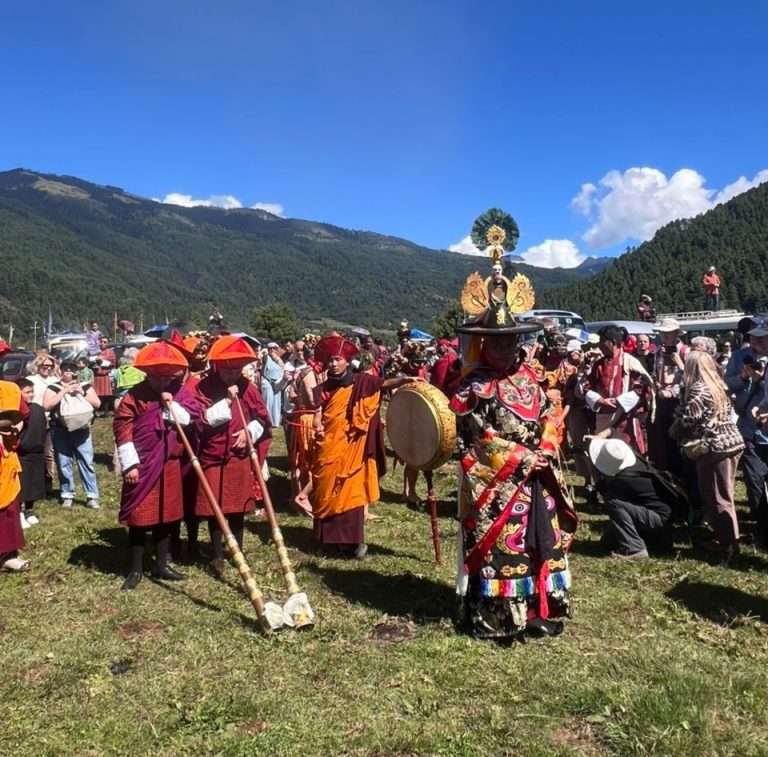
These colorful mask dance festivals are cultural highlights and draw many American travelers.
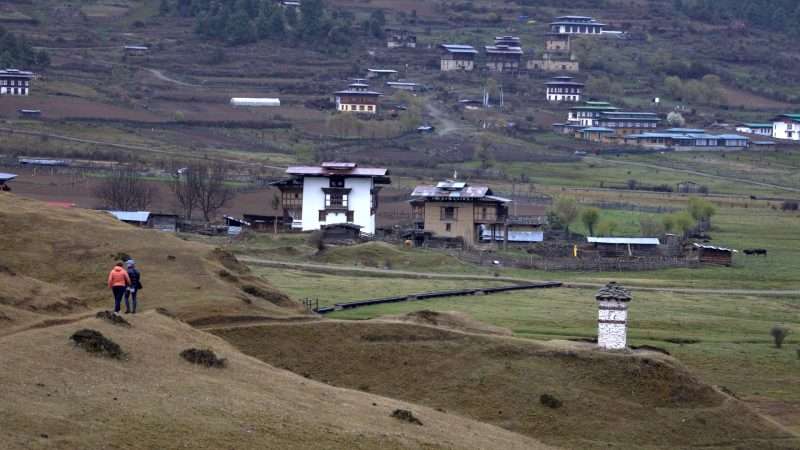
Things to see in Bhutan
Bhutan, known for its serene landscapes and rich cultural heritage, offers an array of sights that captivate travelers. Here are some of the top things to see in Bhutan:
1. Tiger’s Nest Monastery (Paro Taktsang)
- A sacred monastery perched on a cliff 3,000 meters above the Paro Valley. It’s an iconic symbol of Bhutan and a must-visit for its breathtaking views and spiritual significance.
2. Punakha Dzong
- Often called the “Palace of Great Happiness,” this stunning fortress sits at the confluence of the Pho Chhu and Mo Chhu rivers. It’s known for its intricate architecture and historical importance.
3. Thimphu
- Bhutan’s capital city offers a mix of traditional and modern experiences. Key attractions include the Buddha Dordenma, Memorial Chorten, Tashichho Dzong, and the vibrant weekend market.
4. Bumthang Valley
- Considered the cultural heartland of Bhutan, Bumthang is home to several ancient temples and monasteries, such as Jakar Dzong, Kurjey Lhakhang, and Tamshing Lhakhang.
5. Dochula Pass
- This scenic mountain pass at 3,100 meters offers panoramic views of the Himalayas, especially on clear days. The 108 Druk Wangyal Chortens add to the charm and beauty of the location.
6. Phobjikha Valley
- A glacial valley famous for being the winter home of the black-necked cranes. It is a haven for nature lovers and birdwatchers, surrounded by quaint villages and lush landscapes.
7. Chimi Lhakhang
- Also known as the “Fertility Temple,” this unique monastery is dedicated to Lama Drukpa Kunley and is popular among couples seeking blessings for fertility.
9. Paro Valley
- Beyond the Tiger’s Nest, Paro is home to other notable sites like Rinpung Dzong, the National Museum of Bhutan (Ta Dzong), and Kyichu Lhakhang, one of the oldest temples in Bhutan.
9. Festivals (Tshechus)
- Attending a local Tshechu festival is a vibrant experience, featuring masked dances, traditional music, and deep-rooted religious traditions. The Paro and Thimphu Tshechus are among the most famous.
10. Takin Preserve (Thimphu)
- For animal enthusiasts, the Takin Preserve in Thimphu offers a chance to see Bhutan’s national animal, the takin, which is said to have been created by Lama Drukpa Kunley.
11. Rafting in Punakha
- Adventure seekers can enjoy river rafting on the Mo Chhu and Pho Chhu rivers, which offer scenic routes with a mix of gentle and thrilling rapids.
12. Luxury Experiences
- Paro, in particular, boasts some of Bhutan’s finest luxury hotels with stunning views, spas, and exceptional hospitality, perfect for those seeking an upscale retreat.
Choosing the Right Tour Package
Selecting a right tour package that aligns with your preferences and interests is crucial. You’ll find a range of options, from Cultural explorations to Trekking Adventuresand Luxury Package, each varying in duration, activities, and accommodations. Renowned tour operators like OMSHA Travel, who specialize in Bhutan travel, can offer expert guidance and craft personalized itineraries to ensure your trip is tailored to your needs.
Recommended Itinerary for First-Time Visitors
7- 8 Day Bhutan Highlights
- Day 1-2: Paro & Thimphu sightseeing
- Day 3-4: Punakha Valley exploration
- Day 5: Gangtey or Phobjikha Valley (optional)
- Day 6-7: Hike to Tiger’s Nest
- Day 8: Depart
Luxury or Cultural Add-ons
Extend your stay with:
- A night in a luxury resort (like Amankora or Six Senses)
- A village homestay for cultural immersion
Planning Your Bhutan Trip with a Tour Operator
Why You Need a Licensed Tour Operator
Yes, Bhutan allows you to apply for a tourist visa online, book your accommodation, arrange transport, and even explore on your own. But here’s what many travelers don’t realize:
Bhutan still requires you to be accompanied by a licensed guide when visiting temples, dzongs, and heritage sites. Also, navigating local rules and customs without guidance can lead to confusion—or even penalties. Therefore, traveling to Bhutan without a tour operator may not be the best idea.
Benefits of Guided Travel
- Hassle-free visa application
- Reliable transportation and accommodation
- In-depth cultural insights from certified guides
- Access to remote and authentic experiences
What’s Included in a Bhutan Tour Package
4. Essential Travel Tips for Bhutan
To make the most of your trip to Bhutan, consider the following tips:
Packing Essentials:
- Clothing: Layered clothing is essential, as temperatures can vary throughout the day and at different altitudes. Bring warm clothes, especially if you plan to visit higher altitudes.
- Footwear: Comfortable walking shoes are a must, as you’ll likely explore various temples, monasteries, and nature trails.
- Cultural Respect: Bhutan is a conservative country, so dress modestly, especially when visiting religious sites.
Health and Safety:
- Altitude Considerations: Bhutan’s high altitude can affect some travelers, particularly in higher regions. Take time to acclimatize and stay hydrated.
- Vaccinations: While no specific vaccinations are required for Bhutan, it’s advisable to be up-to-date on routine vaccines.
Currency and Payment:
- Bhutan’s currency is the Ngultrum (BTN), which is pegged to the Indian Rupee. While most expenses are covered in your tour package, it’s good to carry some local currency for personal purchases.
- Credit cards are accepted in larger hotels and shops, but cash is preferred in rural areas.
Connectivity:
- Major towns in Bhutan offer internet access, and many hotels provide Wi-Fi. However, expect limited connectivity in rural areas.
- Consider purchasing a local SIM card if you need reliable mobile connectivity.
Respect Local Customs:
- Bhutan is deeply rooted in its traditions and customs. Show respect by following local etiquette, particularly at religious sites. Remove your shoes before entering temples, and avoid touching religious artifacts.
Sustainable and Responsible Travel
Bhutan is dedicated to sustainable tourism, and as a responsible traveler, you can make a positive impact on local communities and the environment. While exploring Bhutan, it’s essential to respect the natural landscapes and adhere to Leave No Footprints principles. Support the local economy by purchasing products and crafts from local businesses and artisans. By embracing sustainable and responsible travel practices, you contribute to Bhutan’s efforts to preserve its natural and cultural heritage.
Conclusion: The Adventure of a Lifetime
Bhutan is not your average travel destination — and that’s exactly why it’s so magical. From misty mountain trails to timeless temples and warm local hospitality, every moment in Bhutan feels authentic, soulful, and serene.
For American travelers flying from New York, Los Angeles, San Francisco, or even with a Dubai layover — Omsha Travel is here to make your Bhutan journey seamless and unforgettable.
Let your Himalayan adventure begin.
FAQs – Bhutan Travel for Americans
- Can I use USD in Bhutan?
Major hotels accept USD, but it’s best to carry local currency. - Are there any vegetarian or vegan options?
Yes, Bhutan has many vegetarian dishes. Inform your operator in advance for vegan meals. - Is there a dress code for tourists?
No formal code, but modest clothing is advised, especially at religious sites. - Can I combine Bhutan with Nepal or India?
Absolutely! Many travelers do multi-country trips via Kathmandu or Delhi. - Do Americans need travel insurance?
No, it’s not mandatory, however highly recommended. - What visa documents do I need for Bhutan?
The documents required are passport copy and recent passport size photo. Your tour operator will handle the rest.