
Planning a trip to Bhutan, the Land of the Thunder Dragon, requires some forethought due to its unique tourism policies and entry requirements. Before you plan a perfect tour, it is important to know some of the things before visiting Bhutan.
Bhutan, known as Druk Yul in the local Dzongkha language, translates to “Land of the Thunder Dragon.” Bhutan, officially known as the Kingdom of Bhutan, is a landlocked country in South Asia, located in the Eastern Himalayas. It is bordered by China to the north and India to the south, east, and west. Known for its stunning landscapes, rich cultural heritage, and commitment to environmental sustainability, Bhutan offers a unique and tranquil travel experience.
Bhutan is known for its unique development philosophy, Gross National Happiness, which prioritizes the well-being and happiness of its citizens over economic growth. This approach influences policies on education, healthcare, and environmental conservation. From the snow-capped peaks of the Himalayas to lush green valleys and dense forests, Bhutan’s landscapes are incredibly diverse and breathtaking.
1. Independent Travel in Bhutan: Still Best with a Tour Operator.
Bhutan has made travel more accessible by reducing the Sustainable Development Fee (SDF) to US$100 (valid until August 2027). Additionally, children aged 6 to 11 receive a 50% discount on the SDF, and those under 6 are exempt from the fee. There is also a one-time US$40 visa application fee. Though Bhutan now allows more flexible travel, unlike other countries, you can’t just book a flight and arrive in Bhutan. Planning your trip through a licensed Bhutanese tour operator is strongly recommended and, in many cases, necessary.
Booking accommodation independently is not easy in Bhutan. Many hotels are not listed online or may not accept online bookings. Experienced local operator offering personalized tours, including luxury experiences, cultural journeys, and off-the-beaten-path adventures and enhances your experience, especially for activities like trekking, attending festivals, or engaging in specialized interests such as birdwatching or cycling. They provide valuable local knowledge, handle logistics, and ensure you have access to the right permits, making your trip smoother and more enjoyable.
Contact OMSHA Travel is a certified tour operators and can be found on the official Bhutan Travel website.
2. There is no best time to visit Bhutan.
Bhutan is a destination worth visiting year-round, with each season offering its own unique charm. While autumn and spring are popular for their vibrant tsechus, summer and winter bring equally wonderful experiences. An added bonus of traveling during the low season is the financial benefits, including discounts on flights, hotels, and tour packages, making it an attractive option for budget-conscious travelers.
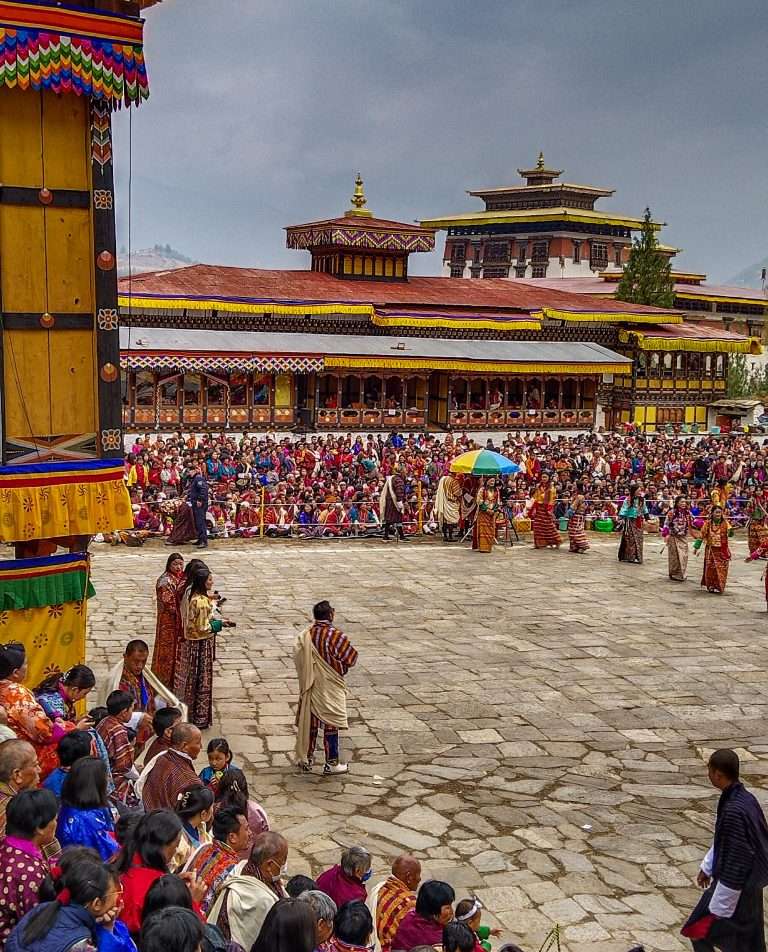
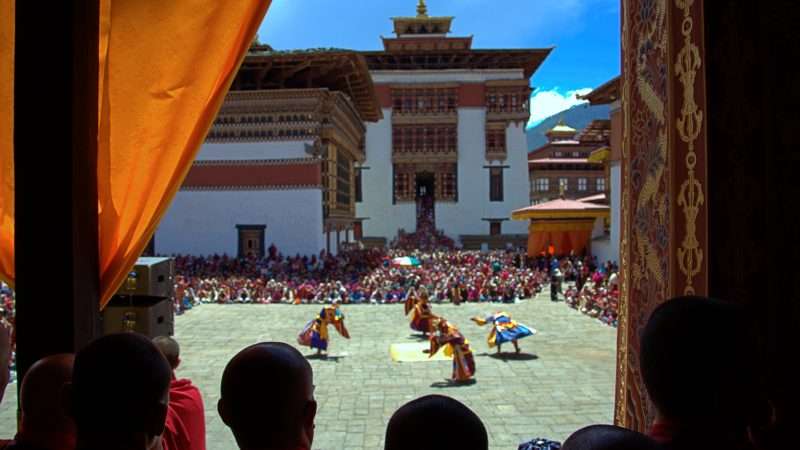
Winter is an especially magical time, offering crisp air, clear skies, and fewer crowds, creating the perfect conditions for a peaceful and intimate journey. Festivals like Dochula Tshechu, set against the backdrop of snow-capped peaks at Dochula Pass, highlight Bhutan’s rich cultural heritage. Similarly, summer brings lush green valleys and a quieter atmosphere. This is also the time to witness lesser-known but equally captivating festivals such as Nimalung Tshechu in Bumthang.
While summer and winter may not be ideal for multi day treks due to muddy trails or chilly camping conditions, they are perfect for cultural exploration, photography, and connecting with locals in serene settings.
3. Book early for festivals and trekking
Bhutan is a treasure trove of cultural festivals and trekking opportunities, drawing travelers from across the globe to experience its vibrant traditions and breathtaking landscapes. If you’re planning to visit during Bhutan’s peak festival seasons or embark on its famous trekking routes, booking early is essential to secure the best experiences.
Festivals like Thimphu Tshechu, Paro Tshechu, and Punakha Drubchen are highlights of the cultural calendar. These events draw large crowds, and accommodations and flights often fill up quickly.
So, plan ahead and book early to ensure a seamless journey into the heart of this Himalayan paradise.
4. Travel insurance is highly recommended
Proof of travel insurance is no longer needed in order to apply for a Bhutanese visa. However, as with any overseas travel, insurance is highly recommended and should cover the activities you plan to take on.
5. Only two airlines fly to Bhutan
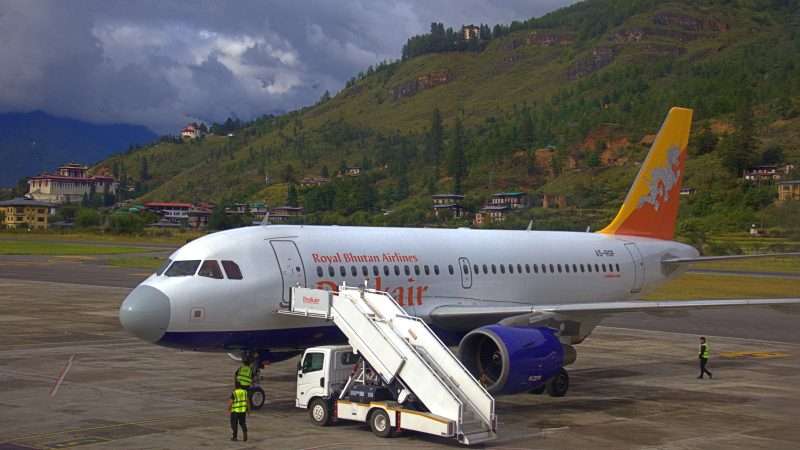
There are two airline carriers: Drukair and Bhutan Airlines. Due to the challenging approach to Paro International Airport—surrounded by peaks as high as 5,500m (18,000ft)—only a select group of highly trained pilots are authorized to fly there.
Direct flights to and from Paro connect you to various destinations, including Bangladesh (Dhaka), India (Bagdogra, Guwahati, Kolkata and New Delhi), Nepal (Kathmandu), Singapore, Thailand (Bangkok) and the UAE (Sharjah). While Bangkok and Delhi are common entry points, Kathmandu promises the most epic route, with glimpses of Mt Everest on clear days.
You can download the Drukair app and check in online, with window seats available. Online check-in opens 72 hours before the flight.
6. Bhutan is exceptionally safe
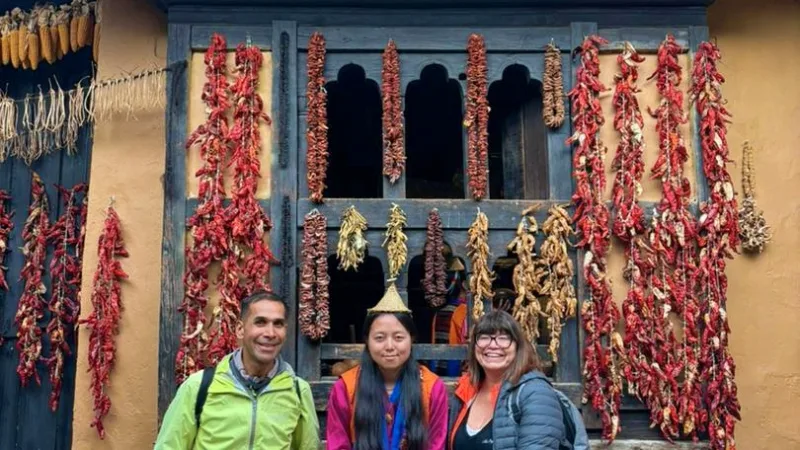
Bhutan is renowned for being exceptionally safe, with one of the lowest crime rates in the world. Violent crime is rare, and petty theft is almost unheard of. The country’s small population, strong sense of community, and deep-rooted respect for tradition contribute to a safe environment for both locals and visitors. Whether you’re walking through the vibrant streets of Thimphu or trekking through remote villages, you can feel secure knowing that Bhutan’s peaceful atmosphere and the watchful eye of your guide or locals ensure your safety. The increasing presence of female guides also offers additional comfort for solo women travelers, making Bhutan an ideal destination for those seeking both adventure and peace of mind.
7. Stay Up-to-Date with Your Vaccinations
No vaccinations are required for entry into Bhutan. However, it is advisable to stay current with your vaccinations and consult with a healthcare professional at least eight weeks before your departure to check if you need any boosters. Recommended vaccinations include hepatitis A and B, diphtheria, tetanus, typhoid, and childhood vaccines for measles, mumps, rubella, and polio. For longer stays, you might consider getting vaccinated against Japanese encephalitis and rabies. Rabies is a particular concern as friendly animals, such as monkeys and dogs, can carry the virus, which is fatal if untreated. In case of an animal bite, seek immediate medical attention at the nearest health clinic for postexposure prophylaxis shots.
8. Minimize Altitude Sickness by Acclimatizing
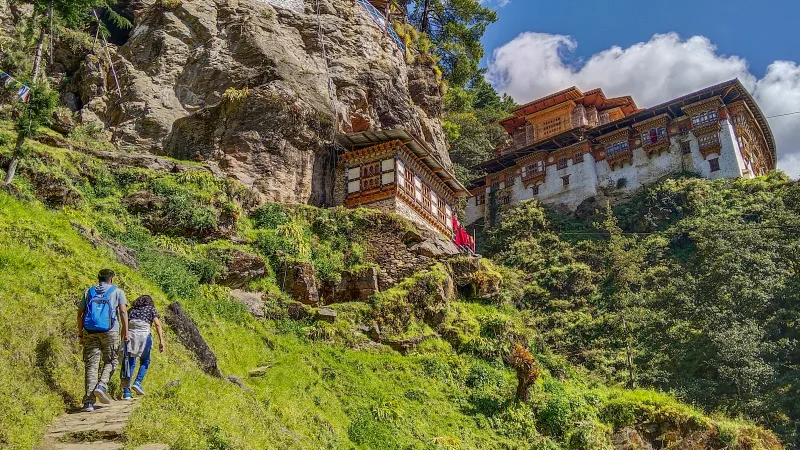
Acute Mountain Sickness (AMS) can occur at altitudes above 2,500 meters (8,202 feet). Most of Bhutan’s popular destinations, including Thimphu and Paro, are located just below that threshold, but treks that pass over mountain passes reaching 5,000 meters (16,404 feet) can put travelers at risk. To reduce the risk of AMS, ascend slowly, take rest days as needed, and stop if you start feeling ill. AMS can develop into serious altitude sickness if not carefully managed. If symptoms persist, it’s crucial to descend immediately. It’s wise to allow time for acclimatization, especially before embarking on treks like the iconic Tiger’s Nest Monastery hike, which ascends about 1,000 meters (3,280 feet). Schedule a traditional hot-stone bath afterward for relaxation.
9. Pack Essential Medical Supplies
Insect repellent is a must when traveling to Bhutan, particularly during the summer months and in the southern regions, to protect against mosquito-borne diseases. Bhutan faced its first nationwide dengue epidemic in 2019, and although there’s no vaccine for dengue, the risk of malaria is low. Given Bhutan’s high average elevation (3,280 meters or 10,760 feet), the sun can be intense, so don’t forget sunscreen and sunglasses for eye protection. Dramamine for car sickness and Diamox for altitude sickness are recommended, as Bhutan’s winding mountain roads can cause discomfort. If you need diapers or tampons, bring them along, as they are not always readily available, although menstrual pads are sold in some stores and hotels. Earplugs can also come in handy, especially when dogs start howling in Thimphu at night.
10. Healthcare in Bhutan: A Blend of Tradition and Modern Medicine
Bhutan, often referred to as “Menjong” or the “Land of Medicinal Herbs,” offers a unique approach to healthcare, combining traditional remedies with Western medicine. If you feel unwell, you can visit Thimphu’s National Institute of Traditional Medicine, where practitioners will assess your pulse and temperature, and prescribe ayurvedic treatments made from local plants, free of charge (though donations are appreciated). For those preferring Western medical care, Bhutan’s largest medical facility, the Jigme Dorji Wangchuck National Referral Hospital in Thimphu, provides modern healthcare services.
11. Bhutanese Cuisine: Spicy and Flavorful
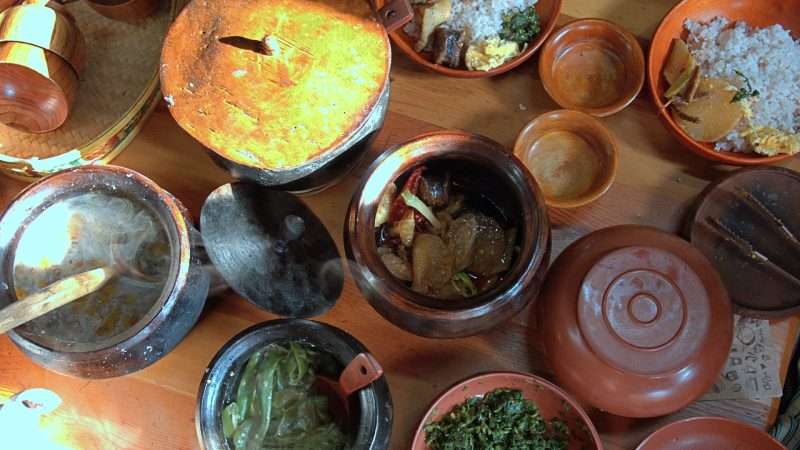
Bhutanese cuisine is known for its bold use of chili peppers, with dishes like ema datse (chilies with cheese) and kewa datse (potatoes, chilies, and cheese) being popular staples. Although international dishes once dominated hotel buffets, Bhutanese food has experienced a revival, with a focus on fresh, seasonal ingredients. If you find the heat too intense, many dishes can be adjusted to your taste, though you might still want some antacids on hand! If you’re unsure where to eat, ask your guide or tour operator for suggestions. A visit to the local Zombala 2 Restaurant is a must for those looking for authentic flavors, where you can enjoy Momos (dumplings), Thukpa (a comforting noodle soup), and Ema Datshi, Bhutan’s national dish made with chilies and cheese.
12. Don’t Drink Tap Water
Tap water in Bhutan is not safe to drink unless it has been boiled or purified. You can ask your hotel or guesthouse to provide boiled water, or purchase bottled water to carry with you. On a positive note, Bhutan boasts a growing craft beer scene, and its local whiskey is a delightful experience for visitors. One of the top spots to explore is Namgay Artisanal Brewery in Paro and Red Panda Brewery in Bumthang
13. Follow Local Etiquette
In Bhutan, a friendly greeting is “Kuzu zangpo la,” which means “hello” in Dzongkha, the national language. It is customary to bow when greeting others (handshakes are less common). You’ll hear the word “la” often in English sentences as a sign of respect, so feel free to reciprocate. If invited into someone’s home, it’s polite to say “mezhu mezhu” while covering your mouth with your hands when offered food. After two or three offers, it’s customary to accept. Similarly, if you offer food or a gift, expect some polite resistance. If invited to someone’s home, it’s also a kind gesture to give a small tip for their hospitality.
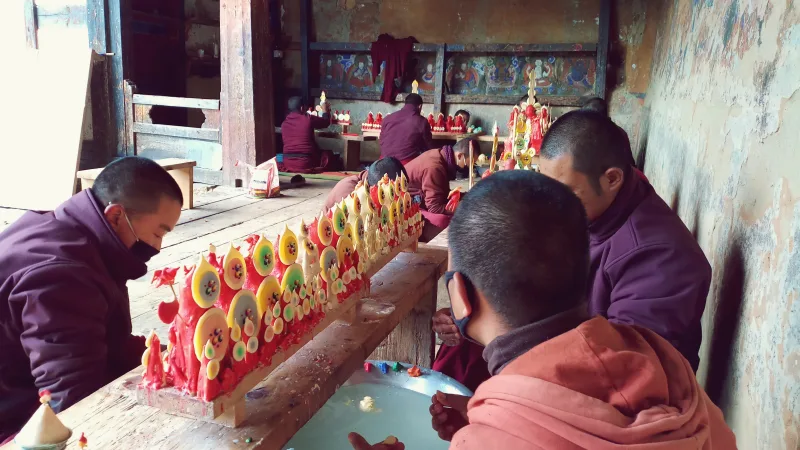
14. Tipping in Bhutan
Although tipping is not obligatory in Bhutan, it’s appreciated as a gesture of thanks, especially for your guide, driver, and trek crew. While a tip of 10–15% is customary, the amount and currency are up to you. Tipping is not generally required at restaurants or hotels, as a 10% service charge is already included in your bill.
15. Smoking in Bhutan
Bhutan is known for its progressive health laws, including a ban on smoking and tobacco sales until 2021. Smoking is now allowed but must be done discreetly, away from public view (e.g., behind buildings). The same applies to vaping, which is available in select stores in Thimphu but is not widely accessible. Despite the prevalence of cannabis in Bhutan, it remains illegal, and possession can lead to imprisonment for up to a year.
16. Embrace Local Beliefs and Traditions
Bhutan is rich in myths, legends, and spiritual beliefs, from sightings of the migoi (yeti) in the wild east to the significance of phalluses as symbols of protection. The story of Guru Rinpoche’s flight to the Tiger’s Nest Monastery is an essential part of Bhutan’s cultural heritage. Visitors should approach these stories with an open mind, understanding that folklore and traditions are integral to Bhutanese identity.
17. Pack Smart: Layers, Modest Clothes, and Good Boots
Bhutan’s weather can vary greatly, so pack layers for fluctuating temperatures. Modest clothing is essential when visiting temples and monasteries, and you may want to bring socks to protect your feet from cold temple floors. A good pair of hiking boots is essential, but also pack nicer shoes if you plan to wear a gho or kira (the traditional Bhutanese dress for men and women). If you’re attending a festival or meeting with a dignitary, wearing traditional attire is highly recommended and a great way to immerse yourself in Bhutanese culture.
18. Carry Cash and Use Money Apps
It’s more convenient to bring your own cash (ensure the bills are crisp) rather than relying on ATMs in Bhutan. The official currency is the ngultrum, which is pegged 1:1 to the Indian rupee. You can exchange money at a bank or hotel to get smaller notes, which are handy for butter-lamp offerings, donations at religious sites, purchasing souvenirs, and tipping your guide, driver, or trekking crew. Small bills are also necessary for entrance fees. While most businesses in Bhutan accept cash, many also accept payments through the goBoB app. Foreign visitors can easily activate the app by downloading it from Google Play or the Apple App Store, inserting a local SIM card purchased at the airport, and funding their digital wallet with a credit or debit card.
19. Get a SIM Card Upon Arrival
SIM cards, which were once difficult to obtain in Bhutan, are now easily available at Paro International Airport. You can choose from various packages, ranging from 1 GB of data to unlimited data, with validity periods from 7 days to 1 month. Additionally, you can top up your balance using the goBoB app.
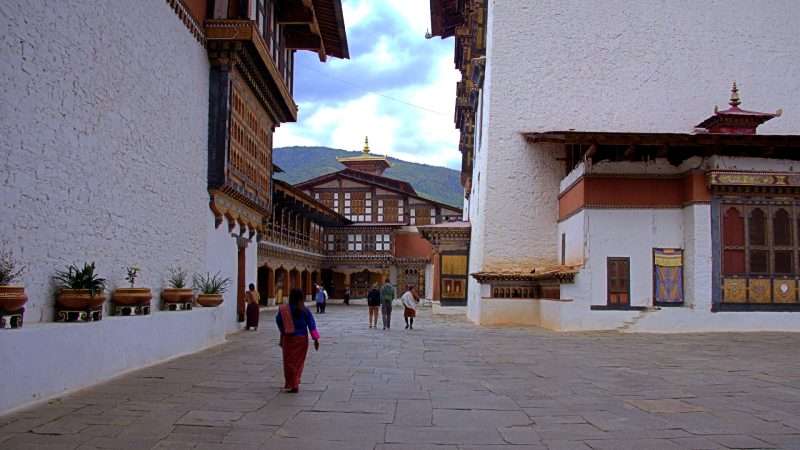
20. Be Aware of Etiquette at Religious Sites
When visiting Buddhist monasteries, nunneries, and temples, it’s important to follow proper etiquette: remove your shoes and hats, wear modest clothing that covers your shoulders and knees, and avoid taking photos in altar rooms. Never point at sacred objects or lean against a stupa, and consider making a small donation either on the altar or to a monk. If you’re seeking a blessing, it’s customary to offer a small donation as well.
Whether traveling by car or on foot, always circumambulate Buddhist temples or shrines, such as stupas or chortens, in a clockwise direction. Going counterclockwise, whether intentionally or unknowingly, is considered disrespectful and unlucky. Similarly, prayer wheels, which are used to purify karma, should always be spun in a clockwise direction.
21. Don’t Bargain Too Hard
Unlike in some parts of Asia, where bargaining is expected, Bhutan’s market culture is much more straightforward. Prices are typically fixed, and aggressive haggling is not common or appreciated. However, if you plan to shop, be prepared to spend a little more. You’ll likely be drawn to vibrant textiles made from natural fibers like silk and cotton. These textiles, which can take months to make, are priced to reflect the skill and cultural significance woven into each piece, often crafted by women. If you’re looking for a more affordable option, geometric yathras, made from yak wool and commonly found in the Bumthang region of central Bhutan, offer a budget-friendly alternative.