
11 Day Bhutan Photography Tour
10 Nights / 11 Days
Embark on a 11-day immersive Bhutan Photography Tour, designed for photography enthusiasts and travelers seeking to capture the essence of the Land of the Thunder Dragon. This journey takes you through Bhutan’s most breathtaking landscapes — from misty valleys and majestic Himalayan peaks to centuries-old dzongs, vibrant monasteries, and charming villages.
Each day blends cultural exploration with purposeful photography opportunities, including:
- Sunrise and golden-hour landscapes in Punakha and Bumthang
- Detailed captures of Bhutanese architecture and sacred sites like Taktsang Monastery, Punakha Dzong, and Kurjey Lhakhang
- Candid village life photography in Talo, Phobjikha, and Alo Village
- Wildlife and nature photography in lush valleys and along nature trails
- Intimate cultural moments such as prayer rituals, butter lamp ceremonies, and traditional Bhutanese crafts
- Lifestyle and action shots of archery, darts, and farmhouse life
EXCELLENT Based on 155 reviews
 Posted on Tripadvisor
 Kornel P23 August 2026Superb experience in the land of the thunder dragon Absolutely amazing experience, our guide was extremely knowledgeable and had a superb ability to talk about all that he knew. We learned a lot about Bhutan and truly enjoyed every part of our 4 day stay it was quite extensive. Highly recommend to anybody looking to visit and understand Bhutan.Posted on Tripadvisor
 Kierthini N22 August 2026An Authentic, Meaningful Bhutan Experience Thank you, Omsha Travel, for making this journey so much more than just an itinerary. I’m was a solo female traveler from Malaysia and I stayed in Bhutan for 8 days. I had done my own research and revised the itinerary based on the places and experiences I wanted to cover. Mr. Nawang took that and made it happen while also adding in experiences I could have easily missed. That was the best part. He understood what I wanted from this trip and helped me experience and explore Bhutan more wholesomely, with so much thought and hospitality along the way. And then came Mr. Lhazin, quite possibly the best guide I could have asked for. This trip truly became a spiritual journey for me. We spoke about so many things; religion, beliefs, life and perspectives and it was refreshing to exchange opinions and have meaningful conversations. His knowledge of nature was mind blowing, and I genuinely learnt so much from him. Then there was Mr. Tashi, who drove me through all the “scenic” roads I kept requesting because I wanted to experience Bhutan in its rawest form. And he made it happen, while constantly making sure I was safe. These two made sure I ticked off my bucket list while keeping me safe, exactly what my family is always worried about. So, fam, that part was well taken care of! I came to Bhutan looking for an experience, but I’m leaving with stories, perspectives, knowledge and two people I’ll genuinely remember. Thank you, Omsha Travel, Mr. Nawang, Mr. Lhazin and Mr. Tashi, for making my journey through Bhutan so wholesome.Posted on Tripadvisor
 Rivet L22 August 2026A trip of a lifetime with the perfect team I had an amazing time with OMSHA Travel in Bhutan. Since the first email exchange I have felt very well taken care of, they were incredibly responsive and willing to accommodate each and every of my adjustment requests and travel plan changes. After arriving in Bhutan my lovely guide Sonam picked me up from the airport together with the driver Nawang. Sonam is very kind and knowledgeable, I had so many questions about the culture, every day life, food, Buddhism, and she always had an answer to satisfy my curiosity. As it was a private tour, they gave me the flexibility to adjust our route as we were going too! Nawang is a great driver and such a sweet person! The car was very comfortable and all the accommodation chosen for me beautiful and picturesque. People surrounding me were all so very nice, it really felt like making good friends while exploring this beautiful country. I'm definitely coming back some time in the future and I'm definitely recommending OMSHA to all my friends! Thank you Sonam and Nawang!Posted on Tripadvisor
 Tomasz P16 August 2026Mindful experience and more Great experience and exploring of Bhutan with lovely people. We had a tailor made offer for our near 4 day stay. Appreciate the flexibility and helpfulness in organization of our trip and the full package. Friendly and knowledgeable guide helped us to understand the country, culture and people. We enjoyed every moment of this fascinating trip.Posted on Tripadvisor
 Jorg H12 July 2026perfect days in Bhutan We were so lucky to have Sonam as our guide for our 8 day tour of Bhutan. Everything along the way was perfect and we had no difficulties at all. Sonam was friendly, funny and entertaining, but what really blew us away was her knowledge of the history of Bhutan and Buddhism and her ability to tell the stories and legends of the various characters in Buddhism that we encountered. He knowledge really helped to enhance our enjoyment of Bhutan as well as our other travels into Tibet and China. I also want to mention our driver Nawang. He was a very calm and careful driver and we appreciated his driving over some challenging roads. We never felt scared or nervous and he never lost his cool, or became frustrated with other drivers. Overall, our guide and driver team made our trip to Bhutan easy, educational, fun, interesting, safe and fantastic!! The tour itself was well thought out, customized according to our interests, competitively priced and communication with Ngawang (not sure about spelling) the owner was very timely and clear.Posted on Tripadvisor
 Rita D3 July 2026Excellent Price to Value Tour Fabulous Tour! We appreciated that OMSHA was responsive from inquiry to final booking. Price to value was excellent. We liked the selected itinerary and appreciated that we could make changes as needed. Our guides Sonam and Tashi were knowledgeable and professional and we had great conversations. It felt more like traveling with friends than with a tour. I would highly recommend OMSHA. You won't be disappointed!Posted on Tripadvisor
 Michael S16 June 2026Hassle free and flexible Communication was quick and clear from the start. Personable. Individualized itineraries but hassle free. Flexible. Tour guide was great at adjusting plans to better fit my style as the trip progressed. Undoubtedly the way to go. No regrets!Posted on Tripadvisor
 rayaro15 June 2026Marvelous Bhutan We had a group of friends and family on 7 days tour of Western Bhutan. Level of service provided by OMSHA travel was unmatched in many areas. From the pick up at the airport, Sonam and Ganesh kept our exploration of Bhutan flawless. Our requests to visit specific areas and activities were accommodated. We spent a night in a homestay in Gasa, visited hot springs, had a lovely riverside birthday picnic and attended Folklore Show that was a highlight of our trip. Nawang handled all communications and financial details thoroughly and transparently.Posted on Tripadvisor
 Wander340623001438 June 2026Amazing Bhutan We traveled to Bhutan in June 2026, and Omsha Travels made our holiday a truly wonderful experience. From the very beginning, the booking process was seamless and professional. The entire trip was planned to perfection, allowing us to relax and fully enjoy the beauty, culture, and unique environment of Bhutan. A special thanks to the owner for the warm hospitality and excellent arrangements. We are also grateful to our tour guide, Lhazin Dorji, whose knowledge and enthusiasm helped us gain a deeper understanding of Bhutan’s rich culture and way of life. He was really accommodating and helped fulfill our every wish. Our driver was equally wonderful, ensuring a safe, comfortable, and enjoyable journey. This holiday gave us unforgettable memories and a genuine glimpse into the amazing lifestyle and traditions of Bhutan. We are very happy clients and would highly recommend Omsha Travels to anyone planning a visit. We look forward to returning again in the future!Posted on Tripadvisor
 Anya B7 June 2026Unforgettable trip to Bhutan! A wonderful experience from start to finish! One of the most memorable trips we have taken. Sonam was knowledgeable, attentive & passionate about sharing Bhutan. We appreciated the warmth and kindness shown throughout the journey. We leave Bhutan with wonderful memories and a much greater appreciation for this remarkable country.
Bhutan Tour Packages:
Adventure
Festivals
Travel Tips:
Blog Posts:
- How to Get to Bhutan in 2027: Best Flight Routes via Kathmandu, Delhi, Bangkok & More
- Inside Amankora Bhutan: A Private Journey Through the Himalayas
- Planning to Visit Bhutan for Festivals in 2027? Best Festivals, Dates & Planning Guide
- Bhutan Travel Guide 2027: Everything You Need to Know Before You Go
- Visit Druk Wangyel Festival in December: A Guide to Dochula Pass
Contact us:
Tour Highlights
- Breathtaking Himalayan Landscapes: Capture panoramic views of the Himalayas, including sunrise mist over valleys, dramatic mountain passes, and serene river confluences.
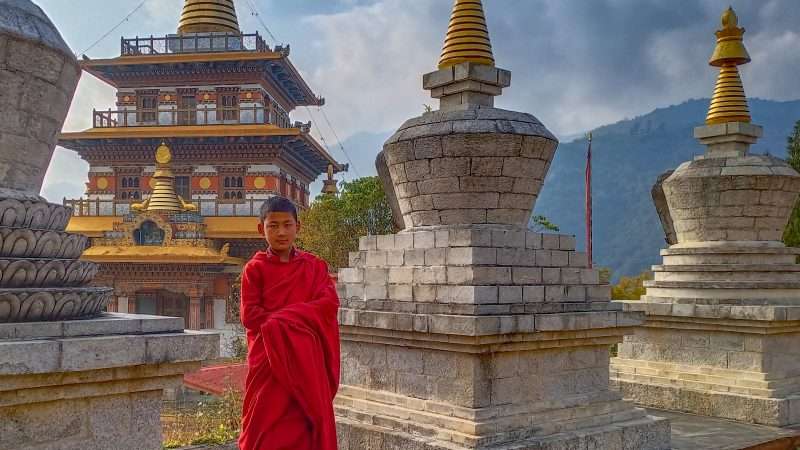
- Iconic Monasteries & Dzongs: Photograph Bhutan’s most iconic sites such as Taktsang Monastery (Tiger’s Nest), Punakha Dzong, Paro Rinpung Dzong, Kurjey Lhakhang, and Tamzhing Monastery.
- Cultural Immersion: Experience Bhutanese traditions through candid shots of festivals, prayer rituals, butter lamp ceremonies, and monastery life.
- Village Life & Architecture: Explore charming villages like Talo, Alo, and Phobjikha, capturing traditional Bhutanese houses, farmers at work, and rural landscapes.
- Unique Lifestyle Experiences: Photograph archery matches, darts, hot stone baths, and farmhouse visits for authentic cultural storytelling.
- Golden Hour Photography: Benefit from expert timing to capture sunrise, sunset, and golden-hour light in some of Bhutan’s most photogenic locations.
- Street & Market Photography: Stroll through bustling markets and quaint towns to capture everyday life, local handicrafts, and the vibrant colors of Bhutanese culture.
Itinerary
Upon arrival at Paro International Airport, you’ll be greeted by your guide and begin the scenic drive to Thimphu (50 km / approx. 1 hour). Along the way, pause at the Tachogang Iron Chain Bridge, a striking photo stop. Just a short 10-minute walk from the highway, this centuries-old bridge framed by mountains and the Paro River offers atmospheric compositions with a balance of history, nature, and serenity. Capture vibrant prayer flags fluttering against dramatic river gorges.
In Thimphu, after checking into your hotel and enjoying a local lunch at the vibrant Zombala 2 Restaurant (perfect for capturing food shots of steaming momos, hearty thukpa, and the colorful national dish, ema datshi), step out to photograph the rhythm of Bhutan’s capital.
By evening, start at Clock Tower Square, a lively hub with Bhutanese motifs — great for street photography. Then stroll to the city’s famous traffic circle, where a white-gloved officer directs cars with theatrical precision. It’s a unique scene to capture — everyday life blending with tradition.
As the sun begins to set, the soft, warm tones of the golden hour transform Tashichho Dzong into one of Thimphu’s most photogenic landmarks. For the best compositions, position yourself at Zilukha Junction viewpoint, which offers a sweeping angle of the Dzong framed by the valley and mountains beyond. From here, the descending light highlights both the architecture and its setting. For an even higher perspective, head to Dechen Phodrang Chorten, where you can capture wide shots of the Dzong with the entire Thimphu Valley stretching out behind it.
Overnight in Thimphu
Begin the day with sunrise photography at the Buddha Dordenma Statue, one of the largest Buddha statues in the world. The early morning light creates a golden glow on the statue, while the surrounding valley below is often softened by mist. Wide panoramic shots and close-up details of the Buddha’s serene face work beautifully in this light.
Next, visit the Royal Takin Preserve to photograph Bhutan’s national animal. This unusual and photogenic creature is best captured with both portrait shots to highlight its features and wide shots to show it in its natural forested habitat.
Continue to the Zorig Chusum Art School, where students practice the 13 traditional arts of Bhutan. This is a fantastic opportunity for close-ups and detail shots: hands brushing pigments onto thangkas, chiseling wood, or weaving intricate patterns. Natural light streaming through the classroom windows adds warmth to your photographs.
After a local lunch, continue with the Centenary Farmers Market (now Kaja Throm), vibrant stalls overflowing with colors, textures, and faces — a paradise for candid market photography.
Lastly, visit Tashichhodzong. Inside the Dzong, the courtyards offer a more intimate photographic experience. Here, you will encounter monks in their maroon robes, moving between prayer halls and gathering in groups.
Overnight in Thimphu
Begin the morning with a sunrise shoot at Dochula Pass (3,100 m), where the famous 108 Druk Wangyal Chortens stand in perfect harmony against a backdrop of snow-clad Himalayan peaks. As the first light breaks over the mountains, the chortens glow softly, creating a magical contrast between warm golden hues and the cool blue tones of the distant summits. Capture both sweeping panoramas and close-up details to highlight the spiritual essence of this sacred spot.
Journeying onward, make a stop along the Punatsangchhu River for a classic view of Wangdue Phodrang Dzong. Perched high above the water, the Dzong dominates the valley. Compose your shots to include the river and the bridge in the foreground, leading the eye toward the fortress.
As you continue your drive, the road climbs over the Lawala Pass, where dramatic mountain landscapes await. At the pass itself, you’ll also find a small handicraft shop, often surrounded by locals and travelers stopping for a break. This is an excellent opportunity for candid street-style photography — capturing people browsing, interacting, or simply pausing against the rugged highland backdrop. Portraits of shopkeepers and details of the colorful handicrafts add cultural richness to your photography collection.
Arriving in the pristine Phobjikha Valley, the late afternoon golden light brings the landscape alive. This wide glacial valley, home to black-necked cranes in winter, offers endless compositions. Traditional Bhutanese farmhouses, with their ornate wooden windows and whitewashed walls. Framing these houses with the vast valley behind them creates a perfect balance of cultural and natural beauty. This is also an excellent time for candid shots of villagers and rural life, which add a human dimension to your photography.
Overnight in Phobjikha
Begin your morning with a sunrise shoot over Phobjikha Valley, when golden light gently reveals the sweeping glacial plain. Often, a thin mist lingers across the wetlands, giving your landscapes a mystical feel. Use a wide-angle lens to emphasize the openness of the valley, framed by forested hills and distant mountains.
Your first destination is the Gangtey Monastery (Gangtey Goenpa), perched high above the valley. Photograph the monastery’s ornate architecture illuminated by soft morning light, and capture monks moving quietly through the courtyards.
For a more immersive photography experience, set out on the Gangtey Nature Trail, one of the most scenic walks in the region. The trail begins from Gangtey Monastery and meanders through pine forests, flower-dotted meadows, and stretches of open valley. This trail is perfect for landscape photography as well as documenting the natural harmony of Bhutanese life.
In the afternoon, stroll through the traditional farmhouses of Phobjikha, set against the backdrop valley. Their rustic charm, with carved wooden windows and earthen walls, becomes even more photogenic in the golden light of late afternoon. Villagers harvesting crops in the fields present authentic, candid moments to capture the valley’s timeless rural life.
As evening approaches, visit Shedra (monastic school), where young monks study scriptures and engage in daily routines. This is an excellent opportunity for intimate portraits — from the focused expressions of monks reading texts to candid interactions during breaks. The traditional windows and wooden frames provide natural framing elements for your shots.
Overnight in Gangtey/Phobjikha
Today is a long but rewarding journey, filled with countless photography opportunities as you travel deeper into central Bhutan. After an early breakfast, set off from Phobjikha Valley. The winding road offers elevated vantage points — pause at a few bends for wide shots of the valley gradually disappearing behind the hills. Continue eastward to Chendebji Chorten, a striking 18th-century stupa modeled after Nepal’s Boudhanath.
On the way east, pause in small villages where Bhutanese rural life unfolds naturally. Look for bright red chili strings drying, strung across balconies.
Shortly before reaching Trongsa, pause at the Willing Waterfall Café. Capture the waterfall tumbling down the rocky cliff, especially with long-exposure techniques for silky water effects.
After lunch, visit Trongsa Dzong, the largest fortress in Bhutan, dramatically spread across a ridge above the Mangde Chhu river. From the viewpoint before the town, photograph the Dzong in its entirety, framed by steep valleys.
As you descend into Chumey Valley, the first of Bumthang’s four valleys, the scenery softens into sweeping meadows, traditional farmhouses, and fields dotted with prayer flags. This is a beautiful opportunity to capture golden-hour shots of the valley floor, with the fading light warming up the fields and houses. On the way visit Yathra Weaving Center in Chumey valley. Look for women weaving at traditional looms, elders spinning prayer wheels or buckwheat fields.
Overnight in Bumthang
Begin the day at dawn, photographing the mist rolling over Jakar Valley. The early sun paints the fog in golden tones, creating dreamy layers across meadows, farmhouses, and forests.
After breakfast, take a gentle pilgrimage walk from Jambay Lhakhang to Kurjey Lhakhang and onward to Tamzhing Monastery. This route connects three of Bumthang’s most sacred temples, and walking it allows you to capture the spiritual essence of the valley.
Photograph the temple’s timeless architecture, prayer wheels, and pilgrims circumambulating. Close-ups of hands turning prayer wheels or elderly devotees counting beads add human depth. Document young monks engaged in study, chores, or playful moments, contrasting the innocence of youth with the sacred backdrop.
After lunch, head north into Thangbi Valley, a less-visited area that provides quieter, authentic scenes. Look out for a traditional water-driven mill, a rare yet photogenic piece of Bhutanese heritage. Capture the wooden structure, prayer wheels turned by water, and the rustic textures of stone and timber. Visit a local school nearby, where you can capture candid, heartwarming photographs of children in ghos and kiras studying or playing games.
Conclude the day with a visit to the Red Panda Brewery, Bhutan’s first and only microbrewery.
Overnight in Bumthang.
The long drive back from Bumthang to Punakha allows photographers to revisit familiar landscapes with fresh eyes while also discovering new scenes along the way. Trongsa Museum (Trongsa Dzong & Tower of Trongsa): Capture the grandeur of the fortress dominating the hillside. On the return, pause at villages, chortens, or viewpoints you may have missed earlier.
In Punakha, photograph the Chimmi Lhakhang – temple of fertility blessed by Lam Drukpa Kuenley. The walk to the temple through rice fields during golden hour creates stunning compositions, with the temple glowing against the warm evening light.
Overnight in Punakha.
Today’s journey allows you to capture both the grandeur of Bhutan’s history and the intimacy of its daily life.
Begin your morning with a visit to Talo, a serene village perched at 2,800 meters. The traditional Bhutanese houses, terraced fields, and narrow winding lanes create endless compositions. Take time to photograph villagers going about their day, farmers working in the fields, and children playing—authentic slices of rural Bhutanese life.
Next, head to this beautiful hilltop nunnery surrounded by pine forests. From here, you’ll enjoy sweeping views of Punakha and Wangdue valleys.
One of Bhutan’s most photogenic landmarks, Punakha Dzong sits at the confluence of the Pho Chu and Mo Chu rivers. Arrive in the late afternoon when golden light softens the fortress walls.
Just behind the dzong, the 160-meter suspension bridge provides a dynamic setting for photography. Capture its length with leading lines, prayer flags in motion, and villagers crossing the bridge.
In the evening, visit this small but spiritually rich temple – Nyergang Lhakhang . Photograph young monks arriving after school, preparing for their evening prayers.
Overnight in Punakha
Begin your day with a scenic hike to Khamsum Yulley Namgyel Chorten (45 mins one way) through lush rice terraces and villages along the Mo Chu River. The climb offers countless photography opportunities—terraced fields glowing under the morning sun, farmers working in the fields, and wide-angle views of Punakha Valley below.
Drive to Paro (Approx. 3 hours).
In Paro, head to Rinpung Dzong—“Fortress of the Heap of Jewels.” This imposing structure is perfect for both wide landscape shots and detailed close-ups. Capture the dzong from the wooden cantilever bridge with the river flowing beneath.
As the day winds down, explore Paro’s charming downtown. The mix of traditional Bhutanese architecture and modern cafés creates a lively atmosphere. Street photography works beautifully here—shopkeepers arranging handicrafts
Overnight in Paro
Today is dedicated to one of Bhutan’s most iconic sites, Taktsang Monastery. Perched dramatically on a cliffside at 3,120 meters, this wooden structure appears to defy gravity. The hike takes about 5–6 hours round trip at a steady pace. As you ascend, pause to photograph sweeping valley views, pine forests draped in prayer flags, and glimpses of the monastery clinging to the cliff face.
In the evening, visit a traditional Bhutanese home for a unique cultural and lifestyle experience. Begin with a hot stone bath—an age-old Bhutanese tradition where river stones heated by fire are placed in wooden tubs, releasing minerals believed to have healing properties. This is not just relaxing but also a perfect opportunity to photograph authentic rural architecture and interiors.
Afterward, try your hand at Bhutan’s national sport—archery. Capture action shots as locals demonstrate their skill, arrows flying toward distant wooden targets.
In the morning drive to Paro airport for departure to your onward destination.
What's Included & Excluded
Inclusions:
- A minimum of 3-star accommodation
- Full Board (Breakfast, Lunch & Dinner)
- Bottle of water in the car.
- A licensed Bhutanese tour guide.
- Private transport (transfer & sightseeing)
- Monument (Dzongs & Temples) and Museum Fees
- Sustainable Development Fee & Visa Fee
Exclusions:
- Air Transport/Flight
- Personal Expenses such as Laundry, Tips, etc
- Drinks & beverages.
- Travel Insurance
- Bank Charges