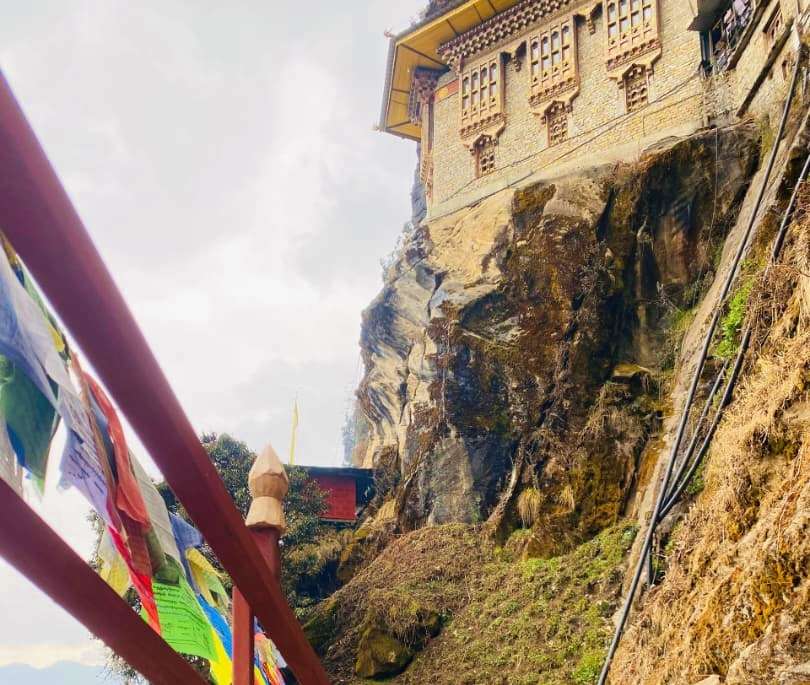
EXCELLENTVerified A Dream Trip to Bhutan Thanks to OMSHA Travel We are a family group who recently completed a 10-day trip to Bhutan visiting Punakha, Bumthang, Phobjikha, Thimphu, and Paro, organized by OMSHA Travel. From start to finish, OMSHA Travel went far beyond our expectations, and we are so grateful to have had one of the most amazing and memorable trips thanks to their wonderful team. From the very beginning, Ngawang was always extremely responsive, courteous, and patient in answering my many questions. He was also very accommodating when it came to fine-tuning and customizing the itinerary to suit our wishlist. Our tour guide, Ugyen Sonam, and our driver, Namgay, were truly the best guide and driver we could have imagined. They make a fantastic team and played a huge role in making our visit to Bhutan so smooth and unique. Ugyen is incredibly knowledgeable and passionate about Bhutanese history, religion, and culture. Throughout the journey, he shared many fascinating stories, helping us gain a much deeper understanding of the monasteries, festivals, and traditions that we encountered along the way. His thoughtful insights and warm personality made every visit even more meaningful and engaging. Namgay was an exceptional driver—always calm, attentive, and incredibly careful on the mountain roads. His attention to detail, patience, and caring nature made us feel safe and comfortable throughout the entire trip. He was always ready to lend a helping hand and ensured that every part of the journey ran smoothly. Both Ugyen and Namgay worked incredibly hard throughout the trip to ensure our experience in Bhutan was truly special. If you are planning a trip to Bhutan, having such a knowledgeable guide and careful driver truly makes the journey much more meaningful and enjoyable. From attending the Tshechu festival to visiting beautiful monasteries, from watching the rare black-necked cranes to hiking to the iconic Taktsang (Tiger’s Nest), from trekking alongside pristine rivers to learning about local Bhutanese culture—every single day was filled with laughter, wonderful surprises and unforgettable memories that we will carry with us long after returning home. Thank you once again to the OMSHA team for your warm hospitality, friendliness, and professionalism in making our Bhutan journey a dream come true! By the end of the trip, we felt we had not only discovered Bhutan, but also made some wonderful friends along the way. We highly recommend OMSHA Travel to anyone planning a trip to Bhutan.Posted onVerified Travelling with Omsha travels is an experience you will always cherish We went for a 9 day trip to Bhutan with Omsha travels and the experience was awesome. Right from the beginning of our planning via Whatsapp, Mr.Nawang Dorje was always quick to respond to my each and every query and he prepared a suitable itrenary as per our requirements. The pick up and drop from Baghdogra to Baghdogra and all the siteseeings from Phuentshelling, Thimphu, Punakha, Phobjikha, Paro , each and every thing was impeccable. Our guide Mr. Ugyen Tshewang and driver Mr. Wangchuk were very experienced and they made our journey comforable and funfull. Being an all woman team, we felt very safe and secure with them. I recommend Omsha travels to everyone who wants to visit Bhutan.Posted onVerified Bhutan, But Even More Special We had the most amazing Bhutan experience thanks to Omsha Travels, and more so, thanks to our guide Dorji Lhazin and driver, Gyep Tshering. Right from the moment we landed at Pheuntsholing, up to dropping us back, both of them were a part of our journey, as more than just companions, sharing anecdotes, experiences, jokes and of course, stories of Bhutan. Over 8 days, we covered Punakha, Phobjika (a proactive recommendation by the agent), Thimphu and Paro. But in reality, Dorji and Gyep made us experience all of Bhutan at once. The vivid and wonderful Punakha Tsechu at the majestic Punakha Dzong, the breathtaking Phobjika valley, the towering Dordenma Statue and last, but definitely not least, the life-changing march to Paro Takhtsang, among many others will be some memories I carry back with me, and treasure forever. This trip was made even more memorable due to the thoughtful actions of our agent, Gyep and Dorji, who not only accommodated our every wish, but also adjusted everything to our budget. From the hotels selected, to the roads chosen, the treks hiked to the meals savoured, they made every bit of Bhutan even more special. P.S. We loved our time here so much, that as I sit here writing this from Pheunshotling, one day before we bid adieu to Bhutan, we’re already planning our return trip to Central and East Bhutan (Hope you’ll be ready to welcome us again Dorji, Gyep and Omsha Travels! ;)Posted onVerified Experiência única Experiência única. Conhecer o Butão de forma leve e tranquila. Nossa guia Sonam foi muito dedicada e o nosso motorista Nawang mostrou muita habilidade nas muitas curvas das estradas.Posted onVerified Excellent 5 night 6 day tour with OMSHA Travel. Did a 5 night 6 day tour with OMSHA Travel in February 2026 and highly recommend them. Nawang was very professional in how he organised everything and very flexible and trusting over payment which made the booking process go very smoothly. The tour itself was excellent with so many things packed into a short period of time. Visited Thimpu, Gangtey, Punakha and Paro. The guide, Ugyen Tshewang, was extremely passionate and knowledgeable about his country, as well as being a fun and interesting guy to talk to. The driver, Sonam Jamtsho, was very professional and careful, without being too slow. All in all, I'd say OMSHA Travel offered great value for money and an excellent experience, and I'd highly recommend them.Posted onVerified Excellent, friendly and flexible trip with Omsha My name is Guillaume from Canada and I just completed a 4 days tour in Bhutan and my guide was Ugyen Sonam. From the moment I got in touch with Omsha travel, they were super flexible and always answered promptly, while giving competitive prices, with a very detailled but flexible itinerary. They were not pushy, and were giving accurate information instead of misleading customer to buy premium package tour based on false information. My guide was very knowledgeful and really friendly, and it was fun to go karaoke with him. One more comment which is more addressed to Bhutanese government: please bring back the longer stay incentives (discount after over 8 days or free after 12 days), as I would of gladly stayed longer in Bhutan for long treks, but the high daily cost of SDF prevented me from doing so after my 7 days stay in Bhutan. Hopefully this will echoe eventually.Posted onVerified Best tour company in Bhutan Our experience with OMSHA Travel started with pre trip booking and questions which were always answered quickly, clearly and were extremely helpful, thank you Nawang. On arrival at Paro airport, we were met with a very warm welcome by our guide Namgay and our Driver Ngawang, both of whom were very kind and considerate for our whole trip. During our 5 days in Bhutan, we were taken around all the main sights and tourist attractions in what is a stunning and beautiful country. Our guide Namgay was extremely knowledgeable of all the history of the Bhutan and the places we visited. The people of Bhutan are lovely and friendly. After being driven to all the sights each day, we were dropped off at our hotels all of which were very good. Our driver Ngawang was a very safe driver and always willing to help with anything he could. All meals breakfast, lunch and dinner were included in the price and were excellent. Also, all entry tickets to the tourist attractions were included. I highly recommend a visit to the Bhutan and if you do plan a visit, you should use OMSHA travel as you will not be disappointed. Thanks to the OMSHA team for a wonderful trip, and in particular to Namgay and Ngawang for looking after us from the minute we set foot in Bhutan until the time we left. Thank you.Posted onVerified Trip of a lifetime I had an absolutely fabulous time on my recent Bhutan tour. Sonam and Tashi were exceptional guides—so kind, knowledgeable, and attentive. They really looked after me every step of the way and made the whole experience effortless and special. Truly 10/10 service. I highly recommend Omsha for a beautifully run tour and a trip-of-a-lifetime experience.Posted onVerified An amazing experience with Omsha Travels in Bhutan I travelled on a 6 nights / 7 days Bhutan itinerary covering Phuentsholing, Thimphu, Punakha, and Paro with Omsha Travels, and the trip was managed very professionally throughout. From the Bagdogra pickup to border formalities and hotel arrangements, everything ran on time and without confusion. The itinerary was well thought out, especially considering the long drives—sightseeing was paced sensibly, and there was enough flexibility to enjoy each location without feeling rushed. Highlights included the scenic drive via Dochula Pass, Punakha Dzong, the village walk to Chimi Lhakhang, and time in Paro. A special mention to our guide Ugyen Tshewang and driver Tashi. Ugyen was knowledgeable, patient, and very attentive to comfort levels, explaining cultural and historical contexts clearly without overwhelming us. Tashi’s calm and safe driving made a big difference on mountain roads and long travel days. The Tiger’s Nest hike was challenging but well supported, and optional experiences like the Bhutanese hot stone bath were a great way to relax afterward. Overall, this was a well-organized, stress-free Bhutan trip. I would definitely recommend Omsha Travels for anyone looking for a reliable and thoughtfully planned Bhutan tour.Posted onVerified Mountain roads to Tiger's Nest I completed a 6 nights / 7 days Bhutan trip (Phuentsholing, Thimphu, Punakha, and Paro) with Omsha Travels, and the trip was smooth, well-paced, and professionally handled. Transfers from Bagdogra, immigration at Phuentsholing, hotel check-ins, and daily planning were all seamless. The itinerary was realistic, balancing travel time with sightseeing, and never felt rushed or exhausting. Highlights included the drive via Dochula Pass, the walk to Chimi Lhakhang, the Khamsum Yulley Namgyal Chorten hike, and Punakha Dzong. What truly made the trip stand out were our guide Ugyen Tshewang and driver Tashi. Ugyen was exceptionally attentive and patient, always gauging comfort levels and adjusting pace without compromising the experience. During the Tiger’s Nest hike, he thoughtfully packed breakfast, kept checking in, and motivated me every time I felt like stopping midway. His encouragement made the climb feel manageable, and reaching Tiger’s Nest genuinely felt like unlocking a new level. His explanations were clear, contextual, and never rushed. Tashi’s driving across long mountain stretches was consistently calm and safe, which made a huge difference on travel-heavy days. The Bhutanese hot stone bath afterward was deeply rejuvenating and felt heavenly. Overall, a stress-free and well-executed Bhutan trip. I’d confidently recommend Omsha Travels, especially for their excellent guide and driver support.
Experiences
- Archery Lesson
- Bumdra Camping
- Cycling in Phobjikha Valley
- Personalized Stamps
- Bhutan Helicopter Ride
- Evening Tea/Cocktail - View of the Punakha Dzong
- Homestay in Bhutan
- Consult a Traditional Medicine Doctor
- Learn Art with a local Artist
- Meditation & Yoga Session
- Traditional Hot Stone Bath
- Spend a night at monastery
- Astrology Reading - Discover your past life
More Blogs:
- Best Temples in Bumthang: Top 5 Sacred Sites to Explore
- Bhutan Travel Guide 2026: Everything You Need to Know Before You Go
- Taipei to Bhutan Travel Guide – Plan Your Dream Himalayan Journey
- Baylangdra Ney Travel Guide: Bhutan’s Secret Spiritual Destination
- 7-Day Bhutan Itinerary for First-Time Visitors
Travel Tips:
Baylangdra Ney – Bhutan’s Sacred Hidden Pilgrimage in Wangdue Phodrang
Tucked high into the cliffs of Wangdue Phodrang, Baylangdra Ney is one of Bhutan’s most mystical and spiritually powerful pilgrimage sites. Sitting at an altitude of around 2,989 meters, this sacred Ney (holy site) remains relatively untouched—offering a deeply authentic experience for both pilgrims and adventurous travelers.
Often ranked among the three holiest Neys of Guru Rinpoche—alongside Paro Taktsang and Singye Dzong—Baylangdra holds immense religious importance in Bhutan. The site was formally rediscovered in 1988 by Kyabje Chatral Rinpoche, bringing renewed attention to its sacred legacy.
The Legend of Baylangdra Ney
The story of Baylangdra is rooted in the spiritual journey of Guru Rinpoche. It is believed that he meditated here for seven days and subdued a powerful local spirit known as Lhatsen Langdra, who appeared in the form of a red bull.
During his meditation, Guru Rinpoche manifested in a wrathful form and defeated the spirit using his sacred sword (Reldri). The subdued spirit later became the guardian deity of the site, protecting it for future generations. The marks of this legendary encounter—rocks shaped like the bull and the sword—can still be seen near the cave today.
The site was then sanctified as a “Beyul” or hidden sacred land, where Guru Rinpoche concealed numerous spiritual treasures (terma) for future discovery.
A Journey to the Sacred Site
Reaching Baylangdra Ney is part of the adventure. After passing through Wangdue, travelers take a dirt road toward Chuzomsa, followed by a scenic one-hour drive through the Sha villages. From the road end, a rewarding hike of about 1.5 hours leads you through forests, ridges, and sacred landscapes to the Ney.
Along the way, you’ll encounter ancient lhakhangs, prayer flags, caves, and even sacred trees believed to be connected to Guru Rinpoche himself.
Sacred Relics and Spiritual Highlights
Baylangdra Ney is filled with sacred relics and spiritual symbols that attract pilgrims from across Bhutan. Some of the most significant include:
- A 10-foot-tall statue of Urgyen Dorje Gur
- Imprints of Guru Rinpoche’s body and footprint on rock
- A sacred spring (Drupchhu) believed to have healing powers
- Guru Rinpoche’s walking staff, sword, and hat
- A stone vase of immortality with dripping water believed to extend life
- A pair of sacred conch shells
- The “Tongue of the Ox” rock formation
- A rock engraved with mystical symbols and seals
- A path believed to lead to heaven
Each relic tells a story, adding layers of spiritual meaning to your visit.
The Sacred Cypress Tree
One of the most fascinating features of Baylangdra is its sacred cypress tree. According to legend, Guru Rinpoche planted his walking staff here and declared that if the hidden treasures were destined to be revealed, the staff would grow into a tree. Instantly, it transformed into a living cypress.
Today, this tree is worshipped as a powerful symbol of blessing. It is believed to carry spiritual energy equivalent to visiting multiple sacred sites, and many pilgrims visit just to receive its blessings.
Baylangdra Through History
Over centuries, Baylangdra Ney has been visited by great Buddhist masters and treasure revealers. Among them is Longchenpa, who visited in the 14th century, and later tertons such as Pema Lingpa and Dorje Lingpa.
The site was revived in modern times through the efforts of the 14th Je Khenpo and later rediscovered by Kyabje Chatral Rinpoche. Today, temples and retreat centers continue to preserve its sacred heritage, including Yoser Namseling Lhakhang and meditation centers in the valley below.
Tsenden Tshechu – A Unique Local Festival
Every year, the people of Bay Chiwog celebrate the Tsenden Tshechu, held on the 15th day of the 8th Bhutanese lunar month (usually September–October). This festival commemorates the miraculous growth of Guru Rinpoche’s staff into the sacred cypress tree.
Villagers gather to circumambulate the tree, spin prayer wheels, and celebrate together in a deeply spiritual and communal atmosphere.
Best Time to Visit Baylangdra Ney
Baylangdra can be visited throughout the year, but the best time is during spring (March–May) and autumn (September–November) when the weather is clear and pleasant.
For a truly special experience, plan your visit during the Tsenden Tshechu festival to witness local traditions and spiritual celebrations.
Why Visit Baylangdra Ney?
- One of Bhutan’s three holiest sacred sites of Guru Rinpoche
- Remote, untouched, and deeply spiritual environment
- Unique blend of hiking, culture, and pilgrimage
- Rich legends, relics, and sacred landscapes
- Authentic local festival experience
Baylangdra Ney is not just a destination—it is a journey into Bhutan’s spiritual heart. For travelers seeking meaning, adventure, and authenticity, this hidden pilgrimage offers an unforgettable experience.