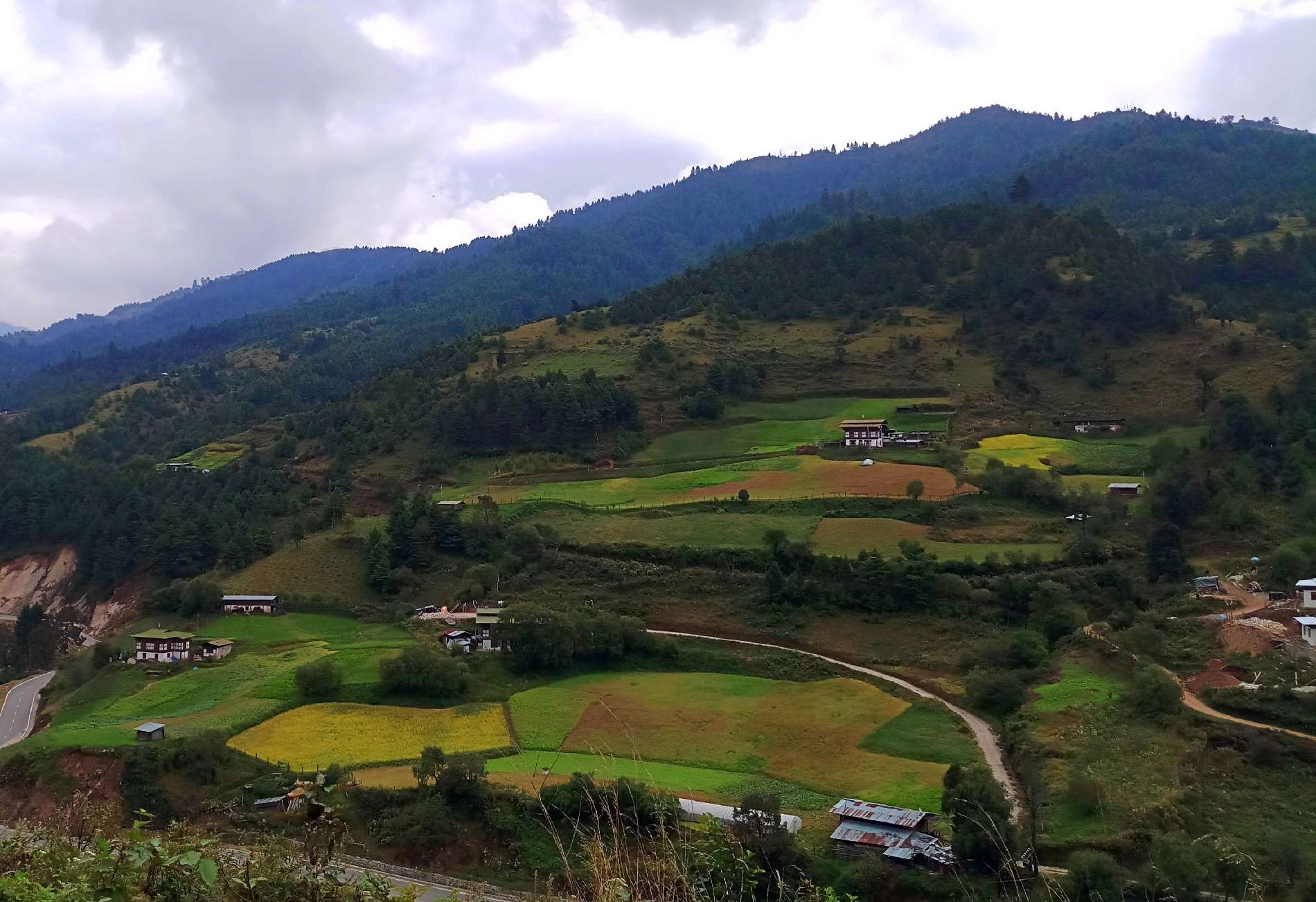
Nestled in the foothills of the Black Mountains under the pristine expanse of Jigme Singye Wangchuk National Park, the Nabji–Korphu Trek is one of Bhutan’s most rewarding off-the-beaten-path adventures. Unlike high-altitude treks, this is a low-elevation cultural trek that invites you to explore Bhutan’s rural heartlands, meet its earliest settlers, and directly support local communities along the way.
Best Time to Trek: November to April
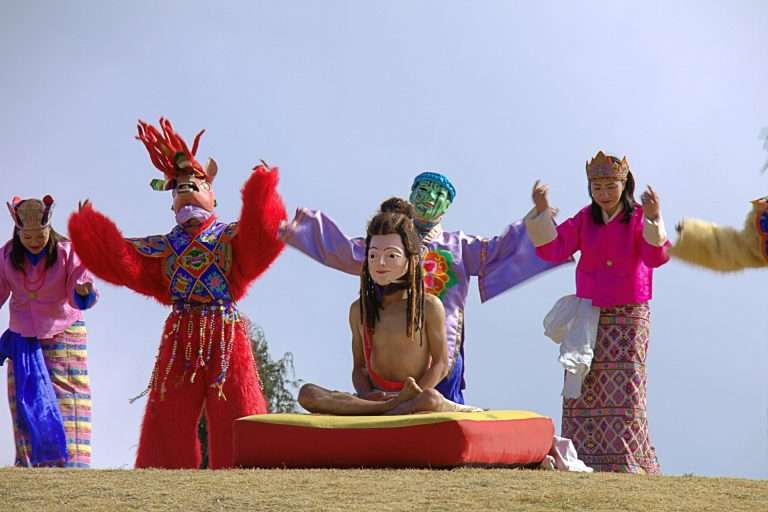
The Nabji–Korphu Trek is best enjoyed during the winter months (November–April), when skies are clear, temperatures are pleasant, and Bhutan sees fewer tourists. Winter is also festival season, meaning your trek can be timed to witness local village celebrations in Nabji or Trongsa, or even join the grand National Day festivities in Thimphu on December 17 before or after your hike.
A True Community-Based Eco-Tourism Experience
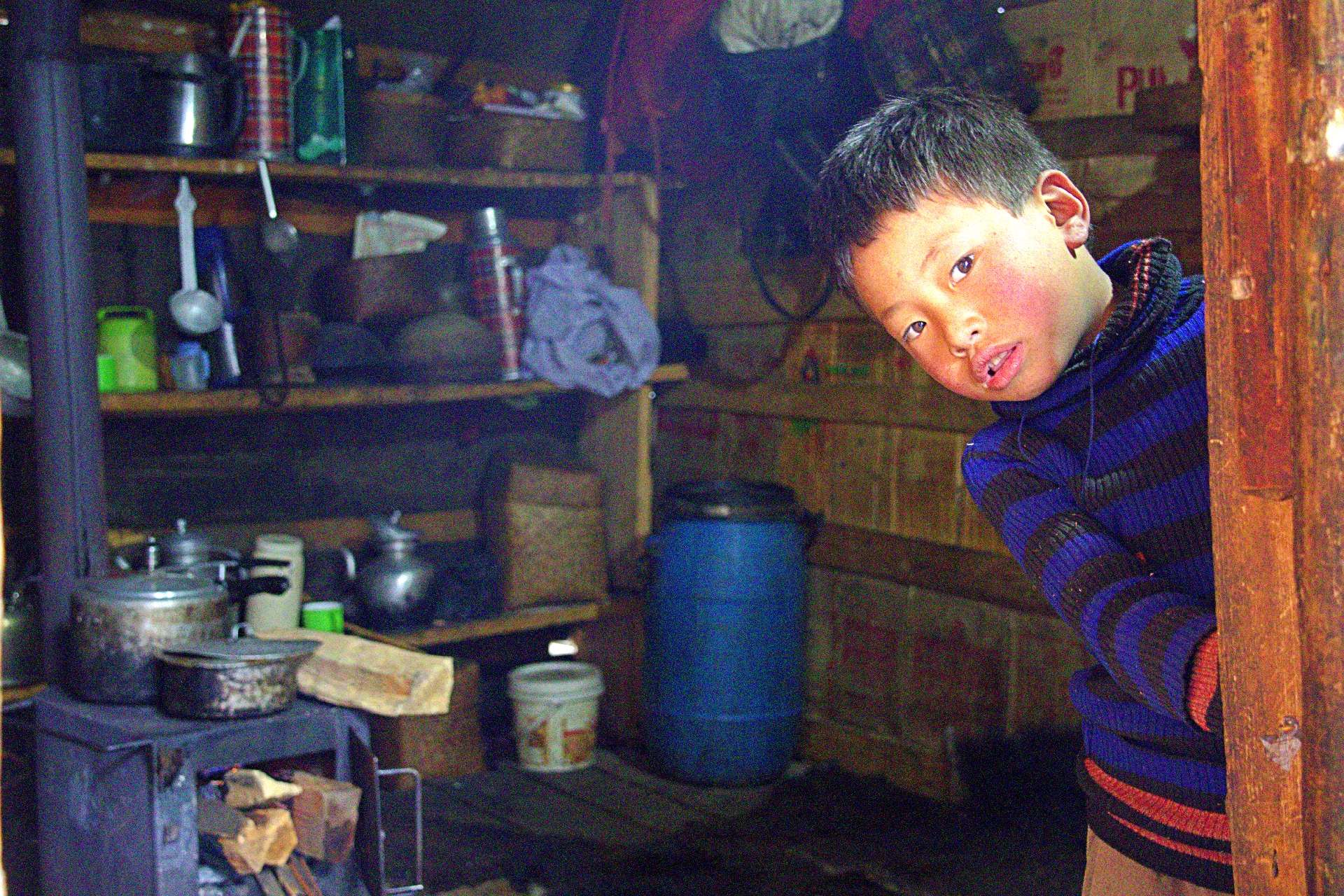
The Nabji–Korphu Trek is more than just a trail — it’s a community-based eco-tourism initiative that channels the benefits of tourism directly to local villages. Along the route, families open their homes to trekkers, providing simple yet warm hospitality. You’ll be welcomed with home-cooked meals prepared from local ingredients, stay in rustic village guesthouses, and interact with the people who call these mountains home.
Your trek will be supported by an experienced guide and cook from Thimphu, ensuring comfort and safety, while villagers provide vital services along the way — a collaboration that sustains livelihoods and keeps the trail authentic. The trek can also be done in reverse (starting from Korphu or Nabji), offering flexibility depending on your travel plans.
Meet the Monpa People – Bhutan’s Earliest Settlers
One of the highlights of the Nabji–Korphu Trek is the chance to encounter the Monpas, believed to be Bhutan’s earliest inhabitants. With a population of just around 3,000, the Monpas live in scattered villages perched above the Mangde Chhu river near Jangbi.
The Monpa culture is unique — they practice a fascinating blend of Buddhism and animistic shamanism, and their traditions reflect an ancient connection to the land. Meeting the Monpa people offers a rare and intimate glimpse into Bhutan’s pre-Buddhist past, an experience you won’t find on other treks.
Nabji–Korphu Trek Itinerary Highlights (12 Days)
Day 1: Arrive at Paro – Drive to Punakha
Arrive in Paro and transfer to Punakha, Bhutan’s ancient capital, where terraced fields and the iconic Punakha Dzong set the tone for your adventure.
Day 2: Punakha to Trongsa
Scenic drive via Pele La Pass into central Bhutan, stopping for panoramic views before reaching Trongsa, home to the majestic Trongsa Dzong.
Day 3: Trongsa to Jangbi Village
Begin your trek with a cultural introduction at Jangbi, the gateway to the Monpa communities.
Day 4: Jangbi Village to Kudra Village
Walk through dense forests and terraced farmlands, visiting local homes and learning about Monpa traditions.
Day 5: Kudra Village to Nabji Village
Descend to Nabji, where the sacred Nabji Temple and the warmth of villagers welcome you.
Day 6: Nabji Village to Korphu Village
A scenic trail leads you to Korphu village, perched on a ridge with breathtaking valley views.
Day 7: Korphu Village to Nyimshong Village
Continue through picturesque landscapes to Nyimshong, another charming Monpa settlement.
Day 8: Drive to Gangtey, Phobjikha Valley
Leave the trekking route behind and drive to the stunning glacial valley of Phobjikha, home to the endangered black-necked cranes.
Day 9: Gangtey to Thimphu
Return to the capital, Thimphu, with stops for scenic photography along the way.
Day 10: Explore Thimphu – Paro
Discover Thimphu’s cultural landmarks before transferring back to Paro.
Day 11: Paro Taktsang (Tiger’s Nest Hike)
End your Bhutan journey with a hike to the iconic Tiger’s Nest Monastery, perched dramatically on a cliffside.
Day 12: Departure
Bid farewell to Bhutan, departing with memories of its people, landscapes, and stories.
Why Choose the Nabji–Korphu Trek?
✔ Low-altitude trek – Ideal for those who want an immersive experience without the strain of high mountain passes.
✔ Cultural richness – Interact with villagers, share meals, and learn about age-old customs.
✔ Eco-friendly – Supports local livelihoods and encourages sustainable tourism.
✔ Winter-friendly – The perfect trek during Bhutan’s lean tourist season.
Plan Your Trek with OMSHA Travel
The Nabji–Korphu Trek is best planned from November to April. With OMSHA Travel, your journey is seamlessly arranged — from permits and guides to village stays and festival coordination.
Ready to discover Bhutan’s hidden heartlands? Contact OMSHA Travel today to plan your Nabji–Korphu Trek – 11 days and be part of Bhutan’s inspiring community-based tourism story.
EXCELLENTVerified Esperienza meravigliosa Abbiamo appena terminato un tour di 7 giorni con Omsha Travel. È stata un'esperienza meravigliosa, l'organizzazione è stata perfetta e il proprietario il Sig.Nawang è stato di una gentilezza e disponibilità estrema.Sonam, la nostra guida e Tashi il nostro autista sono stati dei perfetti compagni di viaggio. Ci hanno aiutato a capire un paese bellissimo e ad approfondire la cultura buddista. Siamo immensamente grati a tutto il team per la qualità dei servizi ricevuti.Consigliamo vivamente Omsha Travel a tutti coloro che desiderano visitare il Bhutan.Posted onVerified A travel agency in Bhutan that is 100% recommendable. Very professional. Our ten-day trip was wonderful and very enriching. Our guide and driver were highly professional and attentive, making the experience extremely comfortable and exciting. The agency’s management was outstanding—everything was perfect and very professional. One of the best experiences we have had. Highly recommended. Congratulations.Posted onVerified Peaceful and unique Bhutan My experience was truly amazing from start to finish. Our guide was incredibly knowledgeable, kind and genuinely passionate about what they do! Our guide, Sonam was absolutely outstanding, she took the time to carefully explain each place we went to, sharing deep historical and cultural background in a way that was engaging and easy to understand. She never rushed us, always made sure we were comfortable, and answered every question with patience and enthusiasm. You could really feel how much she cared about making this experience meaningful for us. Thanks to Sonam, this tour was not just informative but truly memorable. I can’t recommend her and OMSHA highly enough.Posted onVerified Magical Tiger’s Nest The experience of hiking up the Tiger’s Nest was spiritual and breath-taking! It was our dream come true. Our guide, Sonam was very considerate with all our requests and needs. She is very knowledgeable of the touristy and local information that made our tour curated to our needs. We love her and our driver Takshi!Posted onVerified Omsha is the best! Had a wonderful trip organised by Omsha - Mr Na Wang responds very quickly and warmly to my inquiries, so I felt very welcomed even before the trip. I had the best combination of Sonam and Dashi, it was like traveling with friends! I learnt so much from them about Bhutan, but best of all they were attentive, thoughtful and made my trip such a memorable one. I miss them and Bhutan very much and will not hesitate to travel with Bhutan with them and Omsha again~ It's hard to put in words the magic of Bhutan, but traveling with Omsha is definitely the way to go.Posted onVerified Great first glimpse of Bhutan! My dad and I travelled to Bhutan for the first time and I decided to go with OMSHA because of the very reasonable offer I received from Nawang. He was always prompt in replying to all our questions and very flexible in accommodating all our requests in changing the itinerary to fit our needs. Our Guide was Ugyen Sonam and our driver was Tashi. They were both very friendly and professional. Sonam is very knowledgeable on the history and culture of Bhutan and Buddhism. Tashi is a great driver who always made us feel safe. We had a great time and can’t wait to go back to explore more :)Posted onVerified Great experience Excellent tour. Sonam was a terrific guide and really enjoyed the knowledge he shared about the monasteries, Bhutan and Buddhist history. Tashi was an excellent driver, very reliable and professional, always ready to go in the a.m. morning and always on time. Both very kind and very gracious. Nawang the owner was very easy to deal with and very nice meeting in person.Posted onVerified Smooth & Awesome I traveled to Bhutan with Omsha Travels, and it was truly one of the best experiences I’ve ever had. From the moment we landed, every arrangement was perfectly taken care of. Our guide, Ngawang Loday, and driver, Ngawang Kinley, were extremely respectful, professional, and warm, making our journey smooth and genuinely enjoyable. They played a huge role in making the entire experience beautiful and stress-free.A special mention to the travel coordinator, Ngawang, who personally came to meet us, handed over thoughtful gifts, and ensured that everything was going seamlessly throughout the trip. The level of care and hospitality was exceptional. I would definitely recommend Omsha Travels to anyone planning a trip to Bhutan.Posted onVerified Awesome Birding and Cultural Trip to Bhutan We did a 10 day trip in Bhutan with Omsha Travel. We covered the usual cultural sites of Paro, Thimpu and Punakha as well as other locations in Central Bhutan like Phobjikha, Trongsa and Yongkhola for birding activities.The overall booking process was very smooth and easy - Nawang was very responsive and provided itineraries and costs in a very transparent manner.The actual trip was quite flawless - Pema (birding guide) and Tashi (driver) met us at Paro airport and were with us throughout the trip. They made us feel at home right from the start and shared a lot of information and tips about Bhutan throughout the trip. Pema was very knowledgeable about the local bird species and his experience was vital in seeing 100+ bird species, most of which were completely new to me. Bhutan does not have dedicated bird sanctuaries or birding trails/hides - so, most of the birding is done along the highways and local roads - Pema knew exactly where to stop for a specific type of birds.Tashi was a very steady driver all through out (and we had quite a few long driving days) - always ready with a smile and infectious enthusiasm. Overall, it was a beautiful experience in a beautiful country - probably one of the last untouched Himalayan lands. Hopefully, will come back for another trip in spring, when the birds are said to be even more active.Posted onVerified Amazing trip to Bhutan with OMSHA Travel I had a wonderful trip to Bhutan with this agency.My guide Namgay was fantastic – she is very kind, knowledgeable and always helpful.Our driver Tashi was very safe and professional, and I felt comfortable the whole time.I highly recommend this company, especially guide Namgay and driver Tashi.