Bhutan Tour Packages:
Adventure
Festivals
Travel Tips:
Blog Posts:
- Traveling from Israel to Bhutan in 2027: Flights, Visa & Travel Guide
- When Is the Best Time to Visit Bhutan in 2027?
- Bhutan SDF 2027: Sustainable Development Fee Explained
- How to Get to Bhutan in 2027: Best Flight Routes via Kathmandu, Delhi, Bangkok & More
- Inside Amankora Bhutan: A Private Journey Through the Himalayas
Contact us:
November is one of the finest months to visit Bhutan. The summer monsoon has passed, leaving behind crystal-clear skies, crisp mountain air, and spectacular views of the Himalayas. The forests are painted in shades of gold and crimson, temperatures are comfortable for sightseeing, and several cultural festivals take place across the country.
Whether you’re a couple seeking a romantic Himalayan escape, a family looking for a safe and enriching holiday, a solo traveler searching for authentic cultural experiences, or a photographer hoping to capture Bhutan’s breathtaking landscapes, November offers the perfect setting.
In this guide, we’ll cover everything you need to know about visiting Bhutan in November, including the weather, festivals, travel costs, what to pack, and insider tips from local travel experts.
Why Visit Bhutan in November?
November is considered one of Bhutan’s peak travel months—and for good reason.
The weather is dry, visibility is exceptional, and many of Bhutan’s iconic attractions are at their most beautiful. Unlike the rainy summer months, you’ll enjoy uninterrupted views of snow-capped peaks, pleasant hiking conditions, and vibrant autumn scenery.
Highlights of visiting Bhutan in November
- Clear Himalayan mountain views
- Pleasant temperatures for sightseeing
- Excellent trekking conditions
- Beautiful autumn foliage
- Rich cultural experiences
- Important local festivals
- Ideal photography opportunities
Local Insight: November offers a more relaxed atmosphere than October. While popular attractions such as Tiger’s Nest Monastery remain busy, many monasteries and villages feel quieter, allowing visitors to experience Bhutan’s culture at a slower pace.
Bhutan Weather in November
November marks the beginning of Bhutan’s winter season, but the weather remains pleasant across most tourist destinations.
Destination | Daytime | Night |
Paro | 15–20°C | 0–5°C |
Thimphu | 13–18°C | -1–4°C |
Punakha | 20–25°C | 8–12°C |
Bumthang | 10–16°C | -3–2°C |
What to expect
- Sunny days
- Minimal rainfall
- Low humidity
- Cool mornings and evenings
- Excellent mountain visibility
The western valleys can be chilly after sunset, while Punakha enjoys warmer temperatures thanks to its lower elevation.
Travel Tip: Dress in layers. A light fleece and insulated jacket are ideal for mornings and evenings, while a long-sleeved shirt is usually sufficient during the day.
Festivals in Bhutan in November (2026)
November offers travelers a chance to experience Bhutan’s vibrant living traditions through several unique festivals.
Black-Necked Crane Festival – Phobjikha Valley (11 November)
Held annually at Gangtey in the beautiful Phobjikha Valley, this festival celebrates the arrival of the endangered Black-necked Cranes that migrate from the Tibetan Plateau each winter.
Festival highlights include:
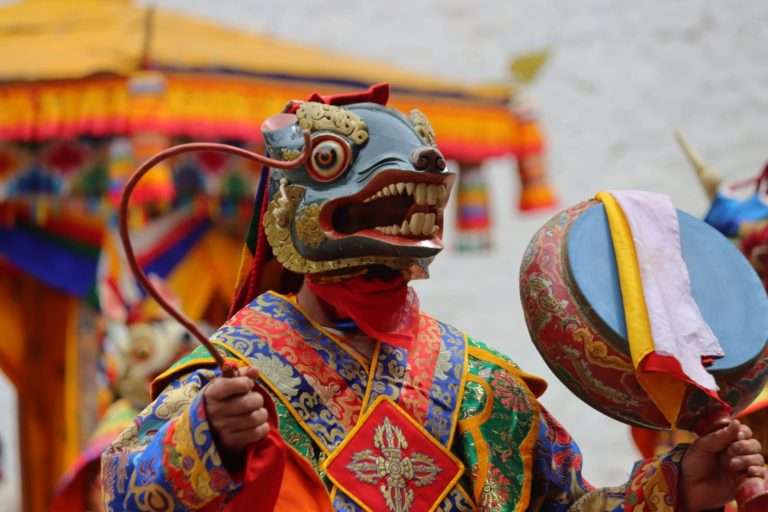
- Traditional mask dances
- Folk songs and cultural performances
- Conservation awareness programs
- Community celebrations
- Crane watching
Local Insight: This festival is unlike Bhutan’s religious tshechus. It combines conservation, education, and culture, making it one of the country’s most unique events.
Mongar Tshechu (17–19 November)
One of eastern Bhutan’s most colorful festivals, the Mongar Tshechu brings together local communities at Mongar Dzong for three days of sacred dances and celebrations.
Visitors can witness:
- Cham (masked dances)
- Traditional music
- Religious blessings
- Local cultural performances
Because eastern Bhutan receives fewer international visitors, the festival offers a more intimate and authentic experience.
Trashigang Tshechu (18–20 November)
Held at the impressive Trashigang Dzong, this festival is among the largest religious celebrations in eastern Bhutan.
Festival highlights include:
- Sacred masked dances performed by monks
- Blessing ceremonies
- Traditional Bhutanese music
- Local markets and community gatherings
Local Insight: Combining the Mongar and Trashigang Tshechus in one itinerary provides a fascinating introduction to eastern Bhutan’s rich traditions and hospitality.
Best Places to Visit in Bhutan in November
November transforms Bhutan into a landscape of golden fields, crystal-clear mountain views, and vibrant cultural life. From the western valleys to the remote eastern districts, each region offers a unique experience during this beautiful autumn month.
Paro
Paro is one of Bhutan’s most picturesque valleys, and November is arguably the best time to explore it. The post-monsoon skies are exceptionally clear, providing breathtaking views of the surrounding Himalayan peaks. Cool temperatures also make outdoor activities far more enjoyable.
Must-visit attractions include:
- Tiger’s Nest Monastery (Paro Taktsang)
- Rinpung Dzong
- Kyichu Lhakhang
One local tip: begin your hike to Tiger’s Nest early in the morning. Not only will you avoid the midday crowds, but you’ll also enjoy the clearest mountain views and the peaceful atmosphere as monks begin their daily prayers.
Thimphu
Bhutan’s capital blends tradition with modern life in a way that is uniquely Bhutanese. November’s cool weather makes it ideal for exploring the city’s cultural landmarks, museums, and bustling markets on foot.
Top experiences include:
- Buddha Dordenma
- Tashichho Dzong
- Motithang Takin Preserve
- National Memorial Chorten
- Centenary Farmers’ Market (weekends)
- Handicraft shops and local cafés
If you’re visiting over the weekend, don’t miss the Centenary Farmers’ Market. Farmers from nearby valleys arrive with fresh vegetables, homemade cheese, dried chilies, mushrooms, and seasonal produce, offering an authentic glimpse into everyday Bhutanese life.
Punakha
While higher-altitude regions become cooler in November, Punakha remains pleasantly warm thanks to its lower elevation. This makes it one of the most comfortable destinations for sightseeing and leisurely walks.
Highlights include:
- Punakha Dzong
- Chimi Lhakhang (Temple of Fertility)
- Punakha Suspension Bridge
- Khamsum Yulley Namgyal Chorten
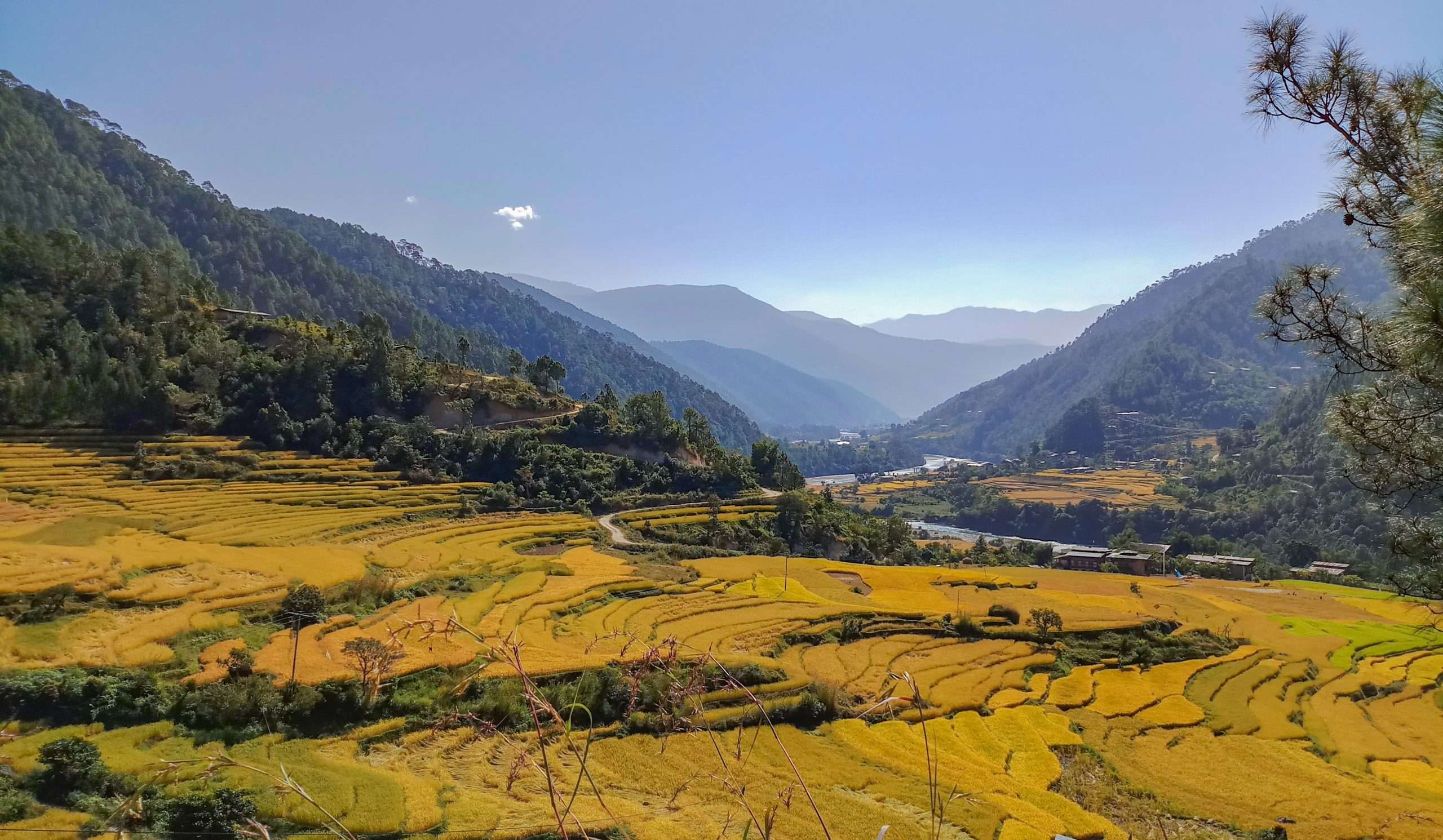
November is also harvest season, and you’ll often see golden rice fields surrounding the valley before they are completely harvested, creating beautiful scenery for photographers.
Phobjikha Valley
November marks the arrival of the endangered Black-necked Cranes, which migrate from the Tibetan Plateau to spend the winter in the broad glacial valley of Phobjikha. Their arrival is one of Bhutan’s most celebrated natural events.
Things to experience include:
- Gangtey Monastery
- Gangtey Nature Trail
- Black-necked Crane Information Centre
A fascinating local tradition says the cranes circle Gangtey Monastery three times before settling into the valley—a belief that reflects the deep spiritual respect the local community has for these remarkable birds.
Bumthang
Often referred to as the spiritual heartland of Bhutan, Bumthang is made up of four beautiful valleys rich in history, legends, and sacred monasteries. November’s crisp weather and peaceful atmosphere make it one of the best times to explore the region.
Must-see attractions include:
- Jambay Lhakhang
- Kurjey Lhakhang
- Tamshing Monastery
- Mebar Tsho (Burning Lake)
Unlike the busier western valleys, Bumthang offers a slower pace of travel. Visitors can enjoy quiet monastery visits, scenic countryside walks, and authentic encounters with local communities. The cool evenings are also perfect for relaxing in a traditional Bhutanese farmhouse with a warm cup of locally brewed butter tea.
Haa Valley
Hidden behind the scenic Chele La Pass, Haa Valley remains one of Bhutan’s least-visited destinations, making it ideal for travelers seeking tranquility and authentic local experiences.
In November, the valley’s forests glow with autumn colors, while snow-capped mountains create a spectacular backdrop.
Top experiences include:
- Lhakhang Karpo (White Temple)
- Lhakhang Nagpo (Black Temple)
- Chele La Pass
- Local farm visits
Because fewer tourists visit Haa compared to Paro or Punakha, it offers a rare opportunity to experience rural Bhutan at a relaxed pace. Friendly villagers, traditional stone houses, and peaceful mountain scenery make it especially popular with photographers and couples looking for an off-the-beaten-path experience.
Eastern Bhutan
For travelers with more time, Eastern Bhutan offers one of the country’s most authentic cultural journeys. The region is less visited, allowing visitors to experience traditional lifestyles that have remained largely unchanged for generations.
Districts such as Mongar, Lhuentse, Trashigang, and Trashiyangtse are known for their dramatic mountain roads, historic monasteries, vibrant weaving traditions, and warm local hospitality.
Highlights include:
- Khoma Village, famous for handwoven Kishuthara silk textiles
- Drametse Monastery, the birthplace of the sacred Drametse Ngacham (Drum Dance)
- Trashigang Dzong
- Chorten Kora
- Traditional weaving centres
November is an excellent time to visit Eastern Bhutan as the roads are generally dry, visibility is excellent, and many farming communities are celebrating the completion of the harvest. Travelers looking to venture beyond the classic western circuit will discover a quieter side of Bhutan, where cultural traditions remain deeply rooted and every village offers a warm welcome.
Whether you’re hiking to Tiger’s Nest in Paro, exploring the vibrant streets of Thimphu, watching Black-necked Cranes in Phobjikha, discovering sacred monasteries in Bumthang, experiencing the untouched beauty of Haa Valley, or immersing yourself in the rich traditions of Eastern Bhutan, November offers an unforgettable journey through every corner of the Kingdom.
Trekking in November
November offers some of the year’s best trekking conditions.
Popular treks include:
- Druk Path Trek
- Bumthang Owl Trek
- Dagala Thousand Lakes Trek
- Jomolhari Trek (early November)
Expect dry trails, clear mountain views, and cool daytime temperatures.
Travel Costs in November
November falls within Bhutan’s high travel season.
A typical tour package generally includes:
- Licensed English-speaking guide
- Private vehicle and driver
- Accommodation
- Meals
- Monument entrance fees
- Internal permits
In addition, visitors are required to pay Bhutan’s Sustainable Development Fee (SDF), which supports free healthcare, education, environmental conservation, and cultural preservation.
Local Insight: Hotels in Paro and Punakha often reach full occupancy during November. Booking at least three to six months in advance is recommended.
What to Pack
Essentials include:
- Down or insulated jacket
- Fleece
- Long-sleeved shirts
- Comfortable hiking shoes
- Gloves
- Wool hat
- Sunglasses
- Sunscreen
- Lip balm
- Moisturizer
- Camera
Layering is the best way to stay comfortable throughout the day.
Is November Good for Families, Couples, and Solo Travelers?
Absolutely.
Couples
November offers romantic landscapes, luxury lodges, peaceful monasteries, and spectacular sunsets.
Families
Cool weather, safe roads, and cultural experiences make Bhutan an excellent family destination.
Solo Travelers
Bhutan’s peaceful atmosphere, friendly people, and guided travel system make it a rewarding destination for solo explorers.
Photography Enthusiasts
The combination of autumn colors, clear skies, colorful festivals, and snow-capped peaks makes November one of the best months for photography.
Suggested 7-Day November Itinerary
Day 1: Arrive in Paro – Transfer to Thimphu
Day 2: Explore Thimphu
Day 3: Drive to Punakha via Dochula Pass
Day 4: Explore Punakha
Day 5: Return to Paro
Day 6: Hike to Tiger’s Nest Monastery
Day 7: Departure
Travelers with 10–14 days can extend their journey to eastern Bhutan to experience the Mongar Tshechu and Trashigang Tshechu.
Insider Travel Tips
- Book your trip several months in advance if traveling during November.
- Carry cash when visiting rural areas, as ATMs are limited.
- Dress modestly when entering monasteries and temples.
- Drink plenty of water—the dry mountain air can cause dehydration.
- Allow extra travel time on mountain roads, as journeys are scenic and winding.
Frequently Asked Questions
Is November a good time to visit Bhutan?
Yes. November is widely regarded as one of the best months to visit Bhutan thanks to its pleasant weather, clear mountain views, cultural festivals, and ideal trekking conditions.
Does it snow in Bhutan in November?
Snow is uncommon in the main tourist destinations such as Paro, Thimphu, and Punakha. However, high-altitude mountain passes may receive early snowfall.
Can I hike Tiger’s Nest in November?
Yes. November offers excellent hiking conditions with dry trails, comfortable daytime temperatures, and spectacular panoramic views.
Is Bhutan crowded in November?
November is a popular travel month, but it is generally less crowded than October. Booking early ensures better hotel availability and a wider choice of guides and flights.
Plan Your Bhutan Journey with OMSHA Travel
November is one of the best times to discover the beauty, culture, and tranquility of Bhutan. From hiking to the iconic Tiger’s Nest Monastery to witnessing the Black-Necked Crane Festival or exploring the lesser-visited eastern districts during the Mongar and Trashigang Tshechus, every journey offers meaningful experiences that stay with you long after you return home.
If you’re planning to visit Bhutan in November 2026, our team at OMSHA Travel can help you create a personalized itinerary based on your interests, travel style, and schedule. Whether you’re looking for a luxury holiday, a family adventure, a photography tour, or a cultural immersion, we’ll ensure your journey is seamless, authentic, and unforgettable.
Start planning today and experience Bhutan at one of its most beautiful times of the year.