Bhutan Tour Packages:
Adventure
Festivals
Travel Tips:
Blog Posts:
- Traveling from Israel to Bhutan in 2027: Flights, Visa & Travel Guide
- When Is the Best Time to Visit Bhutan in 2027?
- Bhutan SDF 2027: Sustainable Development Fee Explained
- How to Get to Bhutan in 2027: Best Flight Routes via Kathmandu, Delhi, Bangkok & More
- Inside Amankora Bhutan: A Private Journey Through the Himalayas
Contact us:
Bhutan is a destination that can be visited throughout the year, but the experience changes dramatically with the seasons. From rhododendrons and clear Himalayan views in spring to colorful festivals in autumn, lush green valleys during the monsoon, and crisp winter landscapes, every month offers something different.
The best time to visit Bhutan for most travelers is March to May and September to November, when the weather is generally pleasant and skies are often clear. However, the ideal month depends on what you want to experience—trekking, festivals, photography, nature, cultural sightseeing, or a quieter journey.
This month-by-month Bhutan travel guide will help you choose the right time for your trip.
Bhutan at a Glance: Which Season Is Best?
Season | Months | Best For |
Spring | March–May | Flowers, festivals, trekking, sightseeing |
Summer/Monsoon | June–August | Green landscapes, fewer tourists, cultural tours |
Autumn | September–November | Clear skies, festivals, trekking, photography |
Winter | December–February | Mountain views, quiet travel, birdwatching, sunny days |
Bhutan’s official tourism information describes the country as a year-round destination, with considerable variation caused by altitude. Paro and Thimphu, for example, have a very different climate from lower-elevation Punakha, while northern mountain areas remain much colder.
January – Cold, Clear and Peaceful
January is one of Bhutan’s coldest months, particularly in Thimphu, Paro and the higher valleys. However, winter days can be bright and sunny, with excellent visibility.
Why visit Bhutan in January?
- Clear Himalayan mountain views
- Fewer tourists
- Peaceful sightseeing
- Excellent conditions for photography
- Opportunity to experience Bhutan during its quieter season
The mornings and evenings can be very cold, and snowfall is possible at higher elevations. Pack warm layers, especially if you plan to visit Phobjikha, Bumthang or higher mountain areas.
Best for: Photography, cultural sightseeing, peaceful holidays and travelers who don’t mind cold temperatures.
February – Winter Landscapes and Black-Necked Cranes
February remains cold, but sunny winter days can make sightseeing enjoyable.
One of the special attractions during this period is the black-necked crane population in Phobjikha Valley. These endangered birds generally arrive in Bhutan in mid-November and remain until around the end of February.
Why visit Bhutan in February?
- Black-necked crane sightings
- Clear skies
- Quiet roads and attractions
- Beautiful winter scenery
- Good cultural touring conditions
If birdwatching is part of your Bhutan itinerary, February can be particularly rewarding.
Best for: Birdwatching, photography, cultural tours and quiet escapes.
March – Spring Begins
March marks the beginning of one of Bhutan’s most popular travel periods.
The weather starts becoming warmer, spring flowers begin appearing, and the country’s cultural calendar becomes increasingly active. Spring is also an excellent time for outdoor activities.
Bhutan’s tourism authority describes early March through mid-April as generally dry spring weather, with nature beginning to bloom.
Why visit Bhutan in March?
- Pleasant spring weather
- Flowers and emerging greenery
- Cultural festivals
- Excellent sightseeing conditions
- Good trekking opportunities
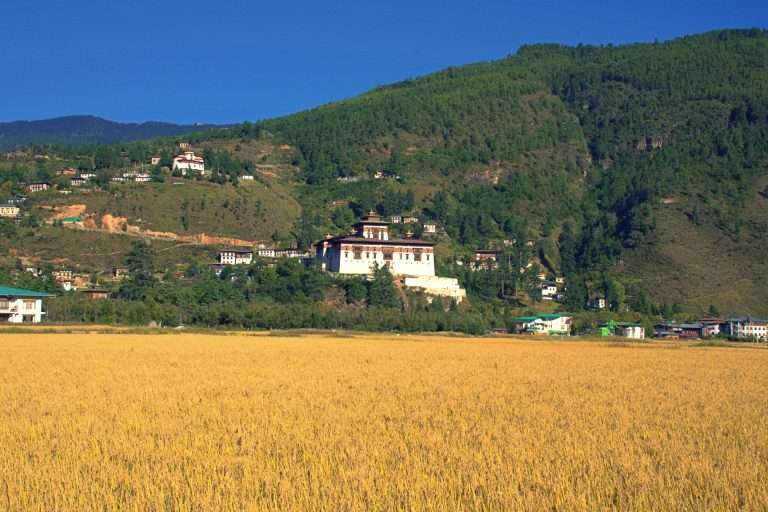
- Beautiful views around Punakha and Paro
March can be an excellent choice for travelers who want a combination of culture, nature and hiking.
Best for: Festivals, hiking, sightseeing, flowers and photography.
April – One of the Best Months to Visit Bhutan
April is widely regarded as one of Bhutan’s best travel months.
The valleys become greener, flowers are in bloom, and many higher-altitude areas become more accessible. The weather is generally comfortable for sightseeing and hiking.
Spring is also a wonderful period to visit Punakha, where the famous jacaranda trees around Punakha Dzong can add spectacular color to the landscape.
Why visit Bhutan in April?
- Pleasant temperatures
- Spring flowers
- Excellent trekking conditions
- Clear mountain views
- Cultural festivals
- Beautiful Punakha landscapes
For first-time visitors looking for a classic Bhutan experience, April is an excellent choice.
Best for: First-time visitors, couples, families, hiking, photography and cultural tours.
May – Green Valleys and Comfortable Weather
May is the final month of the main spring season and offers a wonderful balance between good weather and increasingly lush landscapes.
The valleys become greener, flowers remain visible in many areas, and outdoor activities are still enjoyable before the summer monsoon becomes more influential.
Why visit Bhutan in May?
- Lush spring landscapes
- Comfortable temperatures
- Good trekking opportunities
- Fewer crowds than the busiest festival periods
- Excellent combination of nature and culture
May is particularly attractive for travelers who want to explore Bhutan beyond the classic Paro–Thimphu route.
Best for: Nature lovers, hikers, photographers and customized cultural tours.
June – Green Bhutan Begins
June marks the transition toward Bhutan’s summer and monsoon period.
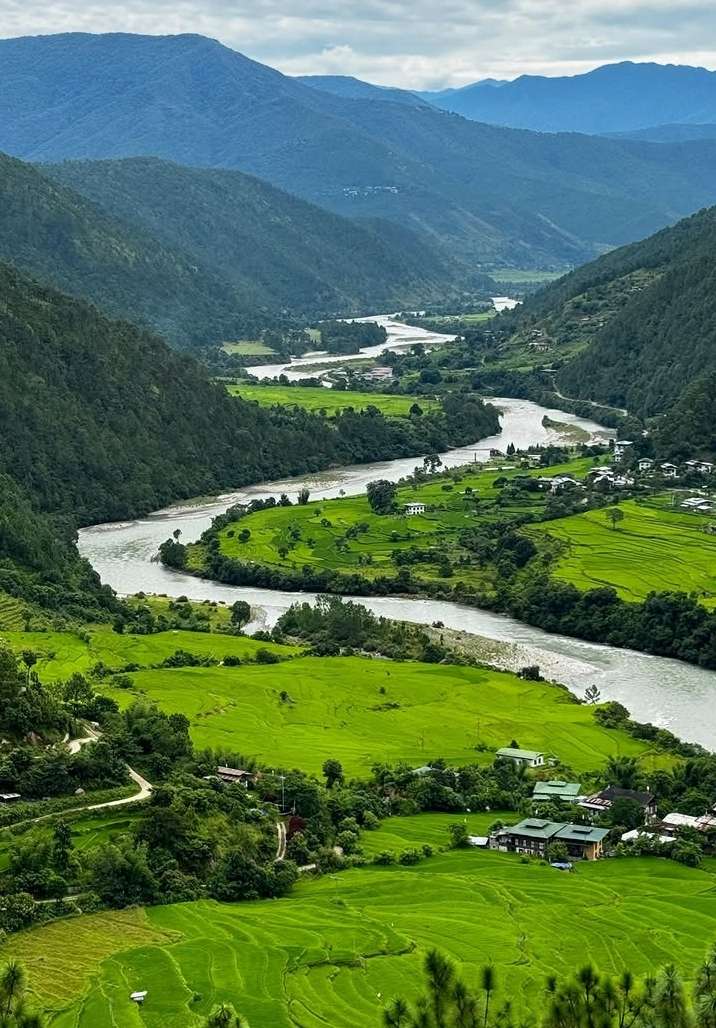
Rainfall becomes more common, but this does not mean Bhutan should be avoided. The landscape becomes incredibly green, waterfalls become more dramatic, and the countryside feels particularly vibrant.
Bhutan’s tourism information notes that summer brings lush landscapes and thriving agricultural activity, while rain generally affects different parts of the country differently because of its varied geography.
Why visit Bhutan in June?
- Lush green valleys
- Fewer tourists
- Beautiful countryside
- Comfortable temperatures
- Good cultural experiences
Best for: Travelers seeking greenery, photography and a quieter cultural experience.
July – Monsoon, Greenery and Fewer Visitors
July is one of Bhutan’s wetter months, particularly in areas influenced by the Indian monsoon.
Rain can affect road conditions, mountain views and trekking plans. However, rainfall is often intermittent rather than continuous, and there can still be beautiful periods of sunshine.
Why visit Bhutan in July?
- Extremely green landscapes
- Fewer tourists
- Lower-demand travel period
- Waterfalls and rivers at their most dramatic
- Good cultural experiences between rain showers
For travelers primarily interested in sightseeing and culture rather than high-altitude trekking, July can still work well.
Best for: Flexible travelers, photographers, cultural tours and travelers who enjoy lush landscapes.
August – Lush and Quiet Bhutan
August continues the monsoon season, making it one of the quieter months for international tourism.
The mountains may occasionally be hidden by clouds, but the valleys are exceptionally green. This can be a rewarding time for travelers looking for a slower and less crowded Bhutan experience.
Bhutan’s tourism authority specifically highlights summer as a time to enjoy lush green landscapes, farming activity and leisurely experiences, despite the rainfall.
Why visit Bhutan in August?
- Lush countryside
- Fewer visitors
- Green rice fields
- Waterfalls and rivers
- Relaxed cultural experiences
Best for: Slow travel, culture, nature and travelers comfortable with rain.
September – Monsoon Begins to Retreat
September is a transition month. Rainfall gradually decreases, while the weather becomes increasingly suitable for sightseeing and outdoor activities.
As autumn approaches, skies begin to clear and mountain visibility improves.
Why visit Bhutan in September?
- Improving weather
- Green landscapes
- Increasingly clear skies
- Good hiking conditions
- Cultural festivals
- Excellent combination of nature and culture
September is a good choice for travelers who want autumn conditions while potentially avoiding some of the highest demand later in the season.
Best for: Hiking, cultural tours, photography and nature.
October – The Best All-Round Month
If you ask, “What is the best month to visit Bhutan?”, October is one of the strongest answers.
Autumn brings clear skies, comfortable temperatures and spectacular mountain visibility. It is also an important month for Bhutanese festivals and cultural events.
Official Bhutan tourism information identifies September to November as one of the country’s most favorable travel periods, while recent travel guidance also highlights October for its combination of weather, trekking and festivals.
Why visit Bhutan in October?
- Clear blue skies
- Excellent Himalayan views
- Comfortable daytime temperatures
- Excellent trekking conditions
- Major cultural festivals
- Beautiful autumn landscapes
- Great photography
The main disadvantage is demand. October is a popular travel month, so flights, hotels and experienced guides can become heavily booked.
Best for: First-time visitors, trekking, festivals, photography, families and luxury travelers.
November – Crisp Weather and Fewer Crowds
November continues the excellent autumn weather, although temperatures begin to fall toward winter.
The skies can remain remarkably clear, making this a fantastic month for Himalayan views and photography. It is also the beginning of the black-necked crane season in Phobjikha.
Why visit Bhutan in November?
- Clear mountain views
- Comfortable daytime sightseeing
- Autumn scenery
- Black-necked cranes begin arriving
- Excellent photography
- Potentially quieter than October
For travelers who want excellent weather but prefer a slightly calmer atmosphere, November is an excellent alternative to October.
Best for: Photography, nature, birdwatching, cultural tours and couples.
December – Sunny Winter Days and Mountain Views
December marks the beginning of winter.
Although temperatures can fall significantly at night, daytime weather is often dry and sunny. The clear winter atmosphere can produce spectacular Himalayan views.
Bhutan’s official tourism information notes that winter can be cold, but the clear skies and sunny days make it a good period for cultural tours and mountain photography.
Why visit Bhutan in December?
- Clear skies
- Excellent mountain visibility
- Quiet atmosphere
- Winter landscapes
- Cultural experiences
- Black-necked crane season in Phobjikha
Best for: Quiet holidays, photography, cultural tours and birdwatching.
Best Time to Visit Bhutan Based on Your Interests
There isn’t one perfect month for everyone. The best time depends on what you want from your trip.
Best for first-time visitors
April, October or November
These months offer a strong combination of comfortable weather, sightseeing and beautiful scenery.
Best for festivals
March, April, September, October and November
Many major Bhutanese festivals take place during spring and autumn. Festival dates can change, so always confirm the dates before finalizing your itinerary.
Best for trekking
March–May and September–November
Spring and autumn generally provide the most favorable conditions for major trekking routes.
Best for clear Himalayan views
October–December and January–February
Winter’s crisp atmosphere can provide exceptional visibility, while autumn is excellent for combining mountain views with comfortable trekking weather.
Best for flowers
March–May
Spring is the ideal period for seeing Bhutan’s forests and valleys come alive with flowers, including rhododendrons.
Best for greenery
June–August
The monsoon transforms the valleys into lush green landscapes.
Best for fewer tourists
January–February and June–August
These periods are generally quieter, although weather conditions can be colder in winter and wetter during summer.
Best for black-necked cranes
November–February
Phobjikha Valley is one of Bhutan’s best-known destinations for seeing these endangered birds during their winter stay.
Bhutan Weather by Month: Quick Guide
Month | Season | Weather | Best Experiences |
January | Winter | Cold, dry and clear | Photography, culture |
February | Winter | Cold, sunny | Cranes, photography |
March | Spring | Mild and increasingly dry | Festivals, hiking |
April | Spring | Pleasant and clear | Flowers, trekking |
May | Spring | Mild, increasingly green | Nature, hiking |
June | Summer | Warm, greener, occasional rain | Culture, nature |
July | Monsoon | Wet and lush | Green landscapes |
August | Monsoon | Wet, lush and quiet | Culture, slow travel |
September | Autumn | Improving, increasingly clear | Hiking, sightseeing |
October | Autumn | Clear and pleasant | Festivals, trekking |
November | Autumn | Crisp and clear | Photography, cranes |
December | Winter | Cold, dry and sunny | Mountain views, culture |
When Is the Overall Best Time to Visit Bhutan?
For most travelers, March to May and September to November are the safest recommendations.
If you want the classic combination of clear skies, pleasant temperatures, beautiful landscapes and cultural experiences, April, October and November stand out.
However, don’t overlook the other months. Bhutan is officially considered a year-round destination, and each season offers a different side of the country.
A traveler interested in green landscapes and fewer visitors may prefer June to August, while someone interested in clear winter skies, birdwatching and peaceful travel may love December to February.
Is Bhutan Worth Visiting During the Monsoon?
Yes.
The monsoon season is not necessarily a reason to cancel a Bhutan trip. Rain can be unpredictable, but it is often concentrated during certain parts of the day. Between showers, travelers can enjoy cultural sites, local experiences and lush landscapes.
The main consideration is flexibility. If your itinerary depends heavily on long-distance mountain drives, high-altitude trekking or uninterrupted Himalayan views, spring or autumn may be a better choice.
For a cultural itinerary focused on Paro, Thimphu and Punakha, however, summer can still be rewarding.
Tips for Choosing Your Travel Month
1. Decide what matters most
Do you want festivals, hiking, photography, flowers, wildlife or peaceful sightseeing? Choose the month around your main interest.
2. Consider altitude
Bhutan’s weather varies significantly by elevation. Punakha can feel considerably warmer than Paro or Thimphu, while Phobjikha and higher mountain regions can be much colder.
3. Book early for peak seasons
March–May and September–November are popular travel periods. If you plan to visit during a major festival, arrange flights, hotels and your itinerary well in advance.
4. Check festival dates before booking
Festival dates are important when planning a cultural trip, but dates can be subject to change. Confirm the current dates with your Bhutanese tour operator before booking flights.
5. Pack for changing conditions
Even during good-weather months, Bhutan’s altitude means temperatures can change considerably between morning, afternoon and evening. Layered clothing is useful throughout the year.
Final Verdict: What Is the Best Time to Visit Bhutan?
The best time to visit Bhutan depends on the experience you want.
- 🌸 March–May: Best for spring flowers, festivals and outdoor adventures
- ☀️ September–November: Best for clear skies, festivals and trekking
- 🌿 June–August: Best for lush greenery, fewer tourists and cultural travel
- ❄️ December–February: Best for clear winter views, peaceful travel and black-necked cranes
For a first trip, April or October is an excellent choice. If you prefer crisp weather, fewer visitors and beautiful mountain views, November and December are also worth considering.
Ultimately, Bhutan is not simply a seasonal destination. Every month reveals a different side of the Kingdom of Bhutan, which is why a well-planned trip can be rewarding at almost any time of year.
Plan Your Bhutan Journey
Whether you want to experience a colorful Tshechu festival, hike to Tiger’s Nest, explore Punakha and Phobjikha, discover Bhutanese culture or design a private tailor-made itinerary, choosing the right month can make your journey even more memorable.
For the most accurate planning, check current festival dates and seasonal conditions before booking, as weather and festival schedules can change.
Frequently Asked Questions
What is the best month to visit Bhutan?
October is one of the best all-round months because of generally clear skies, pleasant autumn weather, excellent mountain visibility and a busy cultural calendar. April is another excellent choice, particularly for spring flowers and outdoor activities.
Is Bhutan good to visit in winter?
Yes. December, January and February can be excellent for travelers who enjoy cold weather, clear skies, mountain views and quieter sightseeing. Nights can be very cold, so warm clothing is essential.
What are the rainy months in Bhutan?
The summer monsoon generally affects Bhutan from around June through September, with rainfall varying considerably by location and altitude.
Can I visit Bhutan during the monsoon?
Yes. June to August can be rewarding for cultural tours and travelers who enjoy lush green landscapes. However, rain can affect mountain visibility, roads and trekking plans.
What is the best time for Tiger’s Nest?
Spring and autumn—particularly April, October and November—are excellent periods for the Tiger’s Nest hike because of generally favorable outdoor conditions and good visibility.
What is the best time to see black-necked cranes?
The black-necked cranes typically arrive in Bhutan around mid-November and remain until the end of February, making this an excellent period to visit Phobjikha Valley for crane watching.
How far in advance should I plan a Bhutan trip?
For popular spring and autumn dates, especially when a major festival is involved, it is wise to plan several months ahead. Flights and preferred hotels can become limited during high-demand periods.