Bhutan Tour Packages:
Adventure
Festivals
Travel Tips:
Blog Posts:
- Traveling from Israel to Bhutan in 2027: Flights, Visa & Travel Guide
- When Is the Best Time to Visit Bhutan in 2027?
- Bhutan SDF 2027: Sustainable Development Fee Explained
- How to Get to Bhutan in 2027: Best Flight Routes via Kathmandu, Delhi, Bangkok & More
- Inside Amankora Bhutan: A Private Journey Through the Himalayas
Contact us:
Bhutan, the Himalayan Kingdom, is a destination where the experience changes beautifully with every season. From the blooming rhododendrons of spring and the colourful Buddhist festivals of autumn to the lush green valleys of summer and the peaceful snow-covered landscapes of winter, each time of year offers something special.
But when is the best time to visit Bhutan in 2027?
For most travellers, March to May and September to November are the best months to visit Bhutan, offering pleasant weather, excellent opportunities for sightseeing and hiking, and some of the country’s most celebrated festivals. However, the ideal time depends on what you want from your journey—whether that means witnessing a traditional tshechu, trekking through the Himalayas, photographing dramatic landscapes, spotting wildlife, or enjoying a quieter cultural escape.
In this guide, we explore Bhutan’s seasons, month-by-month highlights, major festivals, hiking opportunities, and practical tips to help you plan your Bhutan trip in 2027.
Quick Answer: Best Time to Visit Bhutan in 2027
- Best overall: March to May and September to November.
- Best for festivals: March–April and September–October, depending on the festival calendar.
- Best for hiking and mountain views: April–May and late September–November, depending on the route and weather.
- Best for flowers and nature: March–May.
- Best for birdwatching and lush landscapes: Spring and the post-monsoon months.
- Best for quieter travel: January–February and parts of June–August.
- Best for high-altitude trekking: Spring and autumn, subject to trail conditions and the specific trek.
There is no single perfect month for everyone. The best time depends on your interests, preferred travel style, altitude, and the regions you plan to explore.
1. Spring in Bhutan: March to May
Spring is one of the most beautiful times to discover Bhutan. The valleys begin to warm, forests come alive with colour, and the hillsides become covered with flowering plants. Temperatures are generally comfortable for sightseeing, cultural experiences, and day hikes.
What makes spring special?
Spring brings blooming rhododendrons, magnolias, wildflowers, and fresh greenery to many parts of the country. The warmer days also make it an excellent season for exploring traditional villages, monasteries, dzongs, and scenic mountain passes.
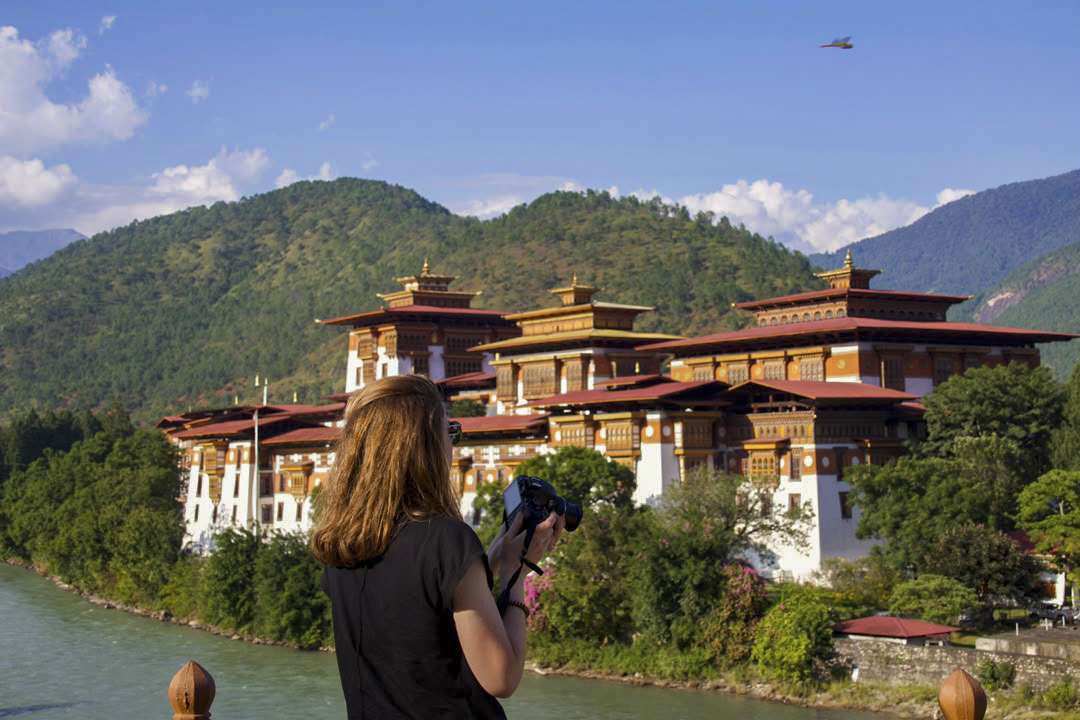
In western Bhutan, Paro, Thimphu, Punakha, and Haa offer wonderful combinations of cultural attractions and natural scenery.
Spring is particularly appealing to photographers, nature lovers, and travellers who enjoy outdoor activities without the colder conditions of winter.
Spring festivals in 2027
Bhutan’s festivals, known as tshechus, celebrate Buddhist traditions through sacred mask dances, religious ceremonies, and community gatherings.
The Paro Tshechu is scheduled for 18–22 March 2027. It is one of Bhutan’s best-known festivals and attracts both local communities and international visitors. The final day is particularly significant, as a large sacred religious appliqué known as a thongdrel is traditionally unfurled.
Festival dates can vary by year, so confirm the official calendar before finalising your flights and accommodation.
Is spring good for hiking?
Yes. April and May are excellent months for many lower- and mid-altitude walks. Popular options include:
- Tiger’s Nest Monastery: The iconic hike to Taktsang Monastery above Paro Valley.
- Gangtey Nature Trail: A gentle walk through the beautiful Phobjikha Valley.
- Khamsum Yulley Namgyal Chorten: A rewarding walk through Punakha’s countryside, with views over the valley.
- Chele La Pass: A scenic excursion through forests and mountain landscapes, with walking opportunities when conditions permit.
Higher-altitude treks may still encounter snow or cold conditions early in spring. Route selection should depend on current trail conditions and your experience.
Best for: Flower lovers, photographers, cultural travellers, first-time visitors, and hikers seeking pleasant weather.
2. Summer in Bhutan: June to August
Summer is Bhutan’s monsoon season. Rainfall becomes more frequent, particularly in southern Bhutan and the lower valleys, while humidity rises and the landscapes turn intensely green.
Although summer is not the first choice for travellers seeking consistently clear mountain views, it has its own appeal.
Why visit Bhutan in summer?
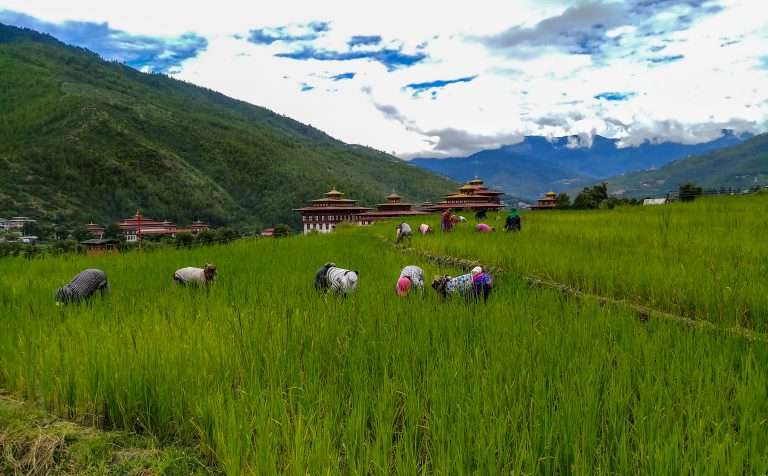
The countryside is lush, rivers flow strongly, and terraced fields become vibrant shades of green. It can be a rewarding time for travellers who prefer a slower pace, enjoy local culture, and do not mind occasional rain.
Depending on the weather, you can still explore monasteries, museums, traditional markets, farmhouses, and cultural sites.
Summer may also offer a more flexible travel experience in some areas, although availability and prices depend on the property and travel dates.
Is summer suitable for hiking?
Some lower-altitude walks may be possible, but rain can make trails slippery and increase the risk of landslides and road disruptions. Leeches may also be present in damp forested areas.
Long-distance trekking and remote journeys require extra planning. Always check local conditions with your guide before setting out.
Mountain views can be less predictable because clouds often obscure distant peaks.
Best for: Lush landscapes, cultural immersion, slower-paced journeys, and travellers with flexible itineraries.
3. Autumn in Bhutan: September to November
Autumn is widely regarded as one of the best seasons to visit Bhutan. Following the monsoon, the weather often becomes drier, the skies begin to clear, and mountain views can be spectacular.
For travellers hoping to combine culture, nature, photography, and hiking, autumn is an excellent choice.
What makes autumn special?
The valleys take on warm golden colours as farmers harvest rice and other crops. Traditional villages become especially picturesque, while mountain panoramas are often clearer than during the summer monsoon.
Autumn is also a rewarding season for exploring Bhutan’s western and central regions, including Paro, Thimphu, Punakha, Bumthang, and Phobjikha.
September can still experience rainfall, especially early in the month, so conditions are not guaranteed. October and November are generally more dependable for dry-weather activities, although temperatures become colder as winter approaches.
Autumn festivals in 2027
Several major festivals are expected during autumn, but travellers should check the confirmed 2027 calendar before booking.
The Thimphu Tshechu is scheduled for 21–23 September 2027. It is one of the country’s major annual cultural celebrations, bringing together local people and visitors to witness sacred mask dances and traditional performances.
Other festivals, including the Jambay Lhakhang Drup in Bumthang, are traditionally held in autumn. Exact dates should be verified against the official calendar for 2027.
Attending a festival offers a deeper understanding of Bhutanese Buddhism, local traditions, traditional dress, and community life. It is also an opportunity to observe a living cultural heritage rather than simply visit historical monuments.
Is autumn good for hiking?
Absolutely. Autumn is an excellent season for many popular walks and longer treks, thanks to generally drier conditions and clearer views.
Highlights include:
- Tiger’s Nest Monastery: Enjoy the dramatic cliffside setting and panoramic views over Paro Valley.
- Gangtey Nature Trail: Walk through open meadows, traditional settlements, and the peaceful Phobjikha Valley.
- Haa Valley walks: Discover rural landscapes and beautiful mountain scenery.
- High-altitude trekking: Routes such as the Jomolhari Trek can be rewarding in suitable weather, with conditions depending on the route and altitude.
October is especially attractive for travellers who want to combine hiking with festivals and cultural sightseeing.
Best for: First-time visitors, festival enthusiasts, photographers, mountain lovers, and trekkers.
4. Winter in Bhutan: December to February
Winter brings crisp air, quieter towns, clear skies on many days, and colder temperatures, particularly at night and in higher-altitude regions.
While some high mountain passes may be affected by snow, western Bhutan’s main cultural attractions often remain accessible, depending on local conditions.
Why consider a winter visit?
Winter can be an excellent choice for travellers who prefer a more peaceful atmosphere. You may experience traditional towns and monasteries without the same level of visitor activity found during the spring and autumn peak seasons.
On clear days, mountain views can be excellent. Winter is also a rewarding season for birdwatching in selected areas, including the Phobjikha Valley, where black-necked cranes arrive from the Tibetan Plateau.
Visitors can explore Thimphu, Paro, Punakha, and other accessible valleys while enjoying warm local meals, traditional hot stone baths, and cultural experiences.
Is winter good for hiking?
Yes, for selected routes and lower-altitude walks. The Tiger’s Nest hike is possible in winter when trail conditions are safe, but the weather can be cold, especially early in the morning.
Longer or higher-altitude treks may be unsuitable because of snow, freezing temperatures, and limited access to some mountain routes.
Pack warm layers, gloves, a hat, and suitable footwear. Travellers planning remote hikes should consult a local guide about current conditions.
Best for: Peaceful cultural travel, birdwatching, clear-day photography, and travellers who enjoy colder weather.
5. Bhutan Month by Month: What to Expect in 2027
The following overview can help you choose a travel period based on your interests.
Month | Seasonal highlights | Best suited for |
January | Crisp weather, quieter valleys, cold nights | Cultural sightseeing and peaceful escapes |
February | Winter landscapes and early signs of spring | Culture, photography, and lower-altitude walks |
March | Spring blossoms and Paro Tshechu | Festivals, nature, and sightseeing |
April | Wildflowers, greener valleys, pleasant hiking weather | Hiking, photography, and cultural tours |
May | Warm days and abundant vegetation | Nature, walking, and scenic journeys |
June | Green landscapes and increasing rainfall | Cultural exploration and flexible itineraries |
July | Monsoon greenery and frequent showers | Slow travel and cultural experiences |
August | Lush countryside and variable weather | Nature lovers with flexible plans |
September | Transition from monsoon and Thimphu Tshechu | Festivals and early autumn travel |
October | Generally clear skies and excellent trekking conditions | Hiking, mountain views, and cultural tours |
November | Autumn colours, crisp air, cooler evenings | Photography, culture, and outdoor activities |
December | Cold weather, peaceful valleys, and winter scenery | Quiet escapes and selected cultural journeys |
These are seasonal guidelines rather than weather guarantees. Conditions vary with altitude and location, and festival dates should always be checked before travel arrangements are finalised.
6. Best Time to Visit Bhutan for Festivals
If attending a traditional Bhutanese festival is your priority, plan your visit around the festival dates rather than choosing a month based on weather alone.
Festivals feature sacred mask dances, religious rituals, traditional music, and colourful gatherings. Many are held at dzongs and monasteries, creating a memorable combination of cultural heritage and community life.
Some festivals to consider for 2027 include:
- Paro Tshechu — 18–22 March 2027: A major festival known for its sacred dances and the traditional unveiling of the thongdrel.
- Thimphu Tshechu — 21–23 September 2027: A prominent festival featuring elaborate mask dances and large gatherings.
- Jambay Lhakhang Drup — autumn: A distinctive Bumthang festival associated with ancient religious traditions; confirm the 2027 dates.
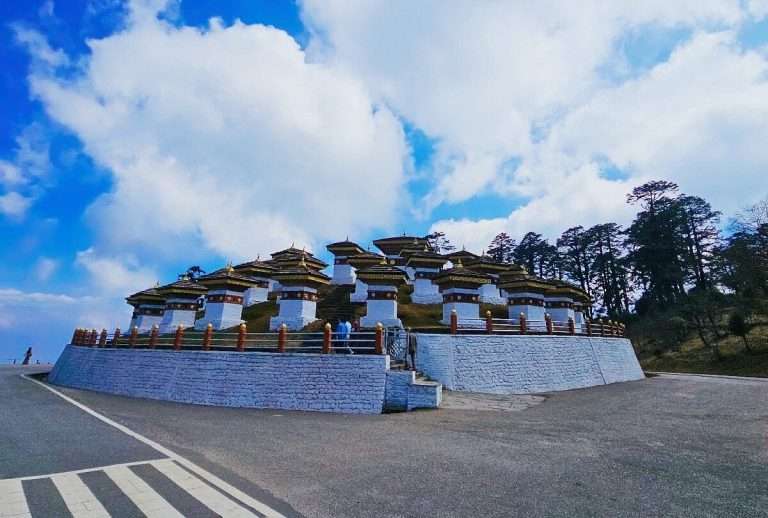
- Druk Wangyel Tshechu — traditionally 13 December: A unique festival held at Dochula Pass, subject to the official 2027 schedule.
Festival dates are based on the Bhutanese lunar calendar and can change from year to year. Some festivals also have local or regional variations, so confirm the dates with a reliable local operator or official tourism source.
Travel tip: Book accommodation and domestic arrangements early for major festivals, particularly Paro Tshechu and Thimphu Tshechu. These periods can be busy, and preferred hotels may fill quickly.
7. Best Time to Visit Bhutan for Hiking and Trekking
Bhutan offers everything from gentle nature walks to demanding high-altitude Himalayan treks. The best season depends on the route, altitude, weather, and your fitness level.
Spring hiking: March to May
Spring is ideal for many valley walks, forest trails, and moderate hikes. Flowers begin to bloom, and landscapes become increasingly colourful.
For longer treks, April and May can be excellent, although early-season snow may affect some high passes.
Autumn hiking: September to November
Autumn is particularly popular for trekking because conditions are often drier and mountain views clearer after the monsoon.
October is a strong choice for travellers considering established routes such as the Jomolhari Trek, subject to trail and weather conditions.
What about the Tiger’s Nest hike?
The hike to Taktsang Monastery, commonly known as Tiger’s Nest, is one of Bhutan’s most memorable experiences. The monastery clings to a cliff high above Paro Valley and is reached by a steep uphill trail.
Allow approximately four to six hours for the round trip, depending on your pace, stops, and how far you walk. Spring and autumn are generally the most comfortable seasons, but the hike can be undertaken at other times when conditions permit.
Start early, wear comfortable walking shoes, carry water, and allow time to rest along the way.
Important trekking considerations
- Check trail conditions before departing.
- Choose a route suitable for your fitness and previous hiking experience.
- Bring layered clothing, rain protection, sun protection, and sturdy footwear.
- Allow time for acclimatisation on high-altitude itineraries.
- Be prepared for rapid changes in mountain weather.
For remote and high-altitude treks, a well-planned itinerary with experienced local support is essential.
8. Best Time to Visit Bhutan for Nature and Wildlife
Bhutan’s extraordinary biodiversity is another reason to visit throughout the year. Its landscapes range from subtropical forests to alpine meadows, supporting diverse plants, birds, and wildlife.
Spring flowers and forests
March to May is an excellent time to appreciate flowering trees, rhododendrons, and forest landscapes. Botanical highlights vary by altitude, so the timing of blooms differs between valleys.
Black-necked cranes in Phobjikha Valley
The Phobjikha Valley is famous for its winter visitors, the endangered black-necked cranes. These migratory birds generally arrive in late October or early November and remain through the winter before departing in spring.
November through February is often a good period for visitors hoping to see them, although sightings depend on migration patterns and local conditions.
Birdwatching and biodiversity
Bhutan’s varied elevations and habitats make it rewarding for birdwatchers. Spring and autumn can both be productive, depending on the species and region.
A local guide can help identify suitable locations and plan visits around seasonal conditions.
9. How to Choose the Right Time for Your Bhutan Trip
The best month is the one that matches your interests and travel priorities.
Choose March or April if you want spring blossoms, cultural experiences, and comfortable conditions for many walks.
Choose May if you prefer greener landscapes and want to explore before the monsoon becomes more established.
Choose September if attending Thimphu Tshechu is important to you, while allowing for possible early-autumn rainfall.
Choose October if you want to combine cultural sightseeing, hiking, and scenic mountain views in one trip.
Choose November if you prefer crisp autumn weather, beautiful landscapes, and opportunities to see black-necked cranes in Phobjikha Valley.
Choose December to February if you prefer quieter travel, winter scenery, and selected cultural or nature experiences.
Remember that the weather varies considerably between Bhutan’s southern lowlands, central valleys, and high Himalayan regions. A route that is comfortable in Paro may have very different conditions in a high mountain pass.
10. Practical Tips for Planning a Bhutan Trip in 2027
A successful Bhutan journey involves more than choosing the right month. A few practical steps can make your experience smoother.
Book around major festivals
If you plan to attend Paro Tshechu or Thimphu Tshechu, arrange your accommodation, flights, and itinerary well in advance. Confirm the festival dates before paying for non-refundable arrangements.
Allow enough time
A trip of five to seven days is a useful introduction to western Bhutan, including Paro, Thimphu, and Punakha. Longer journeys allow you to explore central Bhutan, remote valleys, or more demanding trekking routes.
Pack for changing conditions
Even during spring and autumn, mornings and evenings can be cold. Bring layers, comfortable shoes, sun protection, and a light waterproof jacket. Winter visitors should pack additional warm clothing.
Plan for road travel
Bhutan’s mountainous terrain means that journeys can take longer than distances on a map suggest. Build flexibility into your itinerary, particularly during the monsoon or when travelling to remote areas.
Understand Bhutan’s entry requirements
International visitors generally need to arrange the appropriate visa and pay the applicable Sustainable Development Fee (SDF), subject to nationality, eligibility, and current regulations. Requirements and fees can change, so check the official information before booking.
Travel with a licensed local operator
A licensed Bhutanese tour operator can help coordinate accommodation, transport, guiding, permits where applicable, and seasonal activities. A customised itinerary also allows your plans to adapt to weather, road conditions, local events, and personal interests.
11. Experience Bhutan with OMSHA Travel
At OMSHA Travel, we believe Bhutan is best experienced through meaningful encounters, not simply by ticking attractions off a list.
As a local Bhutanese tour operator, we arrange customised private journeys that bring together cultural discovery, nature, hiking, and authentic local experiences. Whether you wish to attend a vibrant tshechu, hike to Tiger’s Nest, explore the peaceful Phobjikha Valley, discover traditional villages, or venture into the Himalayan mountains, your itinerary can be designed around your interests and preferred travel dates.
Our private tours include a licensed guide and a dedicated vehicle with a professional driver, allowing you to explore at a comfortable pace. We can also help you select a travel season that suits your priorities, whether that is spring flowers, autumn festivals, mountain views, or quieter winter journeys.
Explore our website at OMSHA Travel to start planning your Bhutan adventure.
Final Thoughts: When Should You Visit Bhutan in 2027?
For most travellers, spring (March–May) and autumn (September–November) offer the best overall balance of weather, cultural experiences, nature, and outdoor activities.
Spring is wonderful for flowers, green valleys, and festivals such as Paro Tshechu. Autumn is especially appealing for clearer mountain views, trekking, and major cultural celebrations. Summer offers lush scenery and a slower pace, while winter brings peaceful valleys, crisp skies, and opportunities to see black-necked cranes.
Ultimately, Bhutan is a year-round destination when you choose your itinerary carefully. The right time to visit is the season that best matches what you want to experience.
Planning a trip to Bhutan in 2027? Contact OMSHA Travel to create a private, personalised journey around your interests, preferred travel dates, and the experiences that matter most to you.