Bhutan Tour Packages:
Adventure
Festivals
Travel Tips:
Blog Posts:
- Traveling from Israel to Bhutan in 2027: Flights, Visa & Travel Guide
- When Is the Best Time to Visit Bhutan in 2027?
- Bhutan SDF 2027: Sustainable Development Fee Explained
- How to Get to Bhutan in 2027: Best Flight Routes via Kathmandu, Delhi, Bangkok & More
- Inside Amankora Bhutan: A Private Journey Through the Himalayas
Contact us:
Are you planning to travel from Israel to Bhutan in 2027? Nestled in the eastern Himalayas between India and China, Bhutan is a remarkable destination known for its Buddhist monasteries, dramatic mountain landscapes, traditional architecture, vibrant festivals, and unique philosophy of Gross National Happiness.
For Israeli travelers seeking a meaningful holiday away from crowded tourist destinations, Bhutan offers an opportunity to experience Himalayan culture, explore ancient fortresses, hike through beautiful valleys, and connect with local communities.
However, planning a trip requires a little preparation. There are no direct flights from Israel to Bhutan, and international visitors generally need to arrange their Bhutan visa, pay the applicable Sustainable Development Fee (SDF), and organize their accommodation, transport, and guided sightseeing.
This guide explains how to travel from Israel to Bhutan in 2027, including the best flight connections, visa requirements, travel costs, recommended itineraries, and practical tips for planning your journey.
1. How to Travel from Israel to Bhutan in 2027
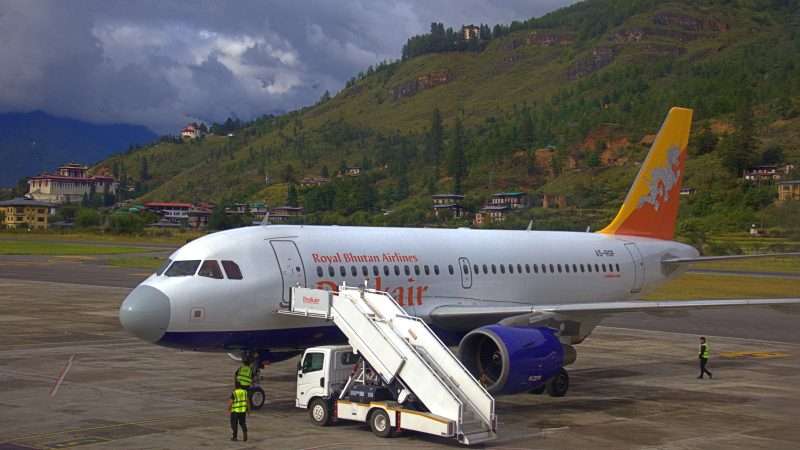
The easiest way to reach Bhutan from Israel is by taking an international flight from Tel Aviv to a major Asian hub, followed by a connecting flight to Paro International Airport (PBH), Bhutan’s only international airport.
There are currently no flights between Tel Aviv and Paro. Your journey will usually involve at least two flight segments, and the best route depends on airline schedules, ticket prices, and your preferred travel dates.
Flight options from Tel Aviv to Bhutan
The three transit cities worth considering are Bangkok, Delhi and Kathmandu. However, it is important to distinguish between nonstop flights from Tel Aviv to these cities and the onward flights to Bhutan.
Route from Tel Aviv | Nonstop flight availability | What travelers should know |
Bangkok (BKK) | Frequent nonstop services | EL AL operates frequent flights, while Arkia offers selected services. Bangkok is a strong option for travelers who prefer a nonstop flight from Tel Aviv before connecting to Bhutan. |
Delhi (DEL) | Nonstop services scheduled to begin in December 2026 | Air India’s published schedules show nonstop services beginning in December 2026, with frequency varying by date. Check the schedule for your exact travel dates. |
Kathmandu (KTM) | No nonstop flights currently listed | Travelers can connect through hubs such as Delhi, Dubai or Abu Dhabi. Kathmandu can be a good choice for those planning to combine Nepal and Bhutan. |
Flight schedules are subject to change. Confirm operating days and availability directly with the airlines before booking.
Which route is best for traveling from Israel to Bhutan?
Bangkok is a particularly practical option if you prefer a nonstop flight from Tel Aviv and want to continue your journey to Bhutan. Delhi may also be convenient, depending on the operating schedule of Air India and the connecting flight to Paro.
Kathmandu is worth considering if you would like to explore Nepal before traveling to Bhutan. However, you should compare the connection times carefully to avoid unnecessary overnight stays.
Remember that a nonstop flight from Tel Aviv to Bangkok or Delhi does not guarantee a same-day connection to Paro. Flights to Bhutan operate on limited schedules, so you may need to spend a night in your transit city.
How to connect from Bangkok, Delhi or Kathmandu to Paro
Once you reach your chosen transit city, you will need a separate regional flight to Paro, unless your booking includes the onward connection.
- From Bangkok: Check the available Bangkok–Paro flights for your preferred travel date. Do not assume a daily service or a same-day connection.
- From Delhi: Compare the operating days of the Tel Aviv–Delhi service with the Delhi–Paro schedule. An overnight stay may be necessary.
- From Kathmandu: Check Kathmandu–Paro flight availability and allow enough time between international and regional flights.
When booking separate tickets, leave sufficient time between flights. Weather conditions in the Himalayas can affect flight operations, and a missed connection may require an additional overnight stay.
Our recommendation for Israeli travelers: Compare Bangkok and Delhi first, based on your dates and the onward flight schedule to Paro. The most convenient route is the one that offers a reliable connection, reasonable total journey time and minimal waiting between flights.
Which flight route is best?
For many travelers, Delhi or Bangkok may be practical connection points. Kathmandu can also be an attractive choice if you want to combine Nepal and Bhutan in one holiday.
When comparing routes, consider the following:
- Total journey time from Tel Aviv to Paro.
- Whether the connecting flights operate on the same day.
- The need for an overnight stay at the transit city.
- Baggage allowances and separate-ticket risks.
- Transit visa or entry requirements.
- The cost of flights and hotel accommodation during a layover.
Important tip: Avoid booking a tight connection to Paro on separate tickets. Weather conditions in the Himalayas can affect flight operations, and an overnight stop may be necessary. If possible, arrive at your transit city at least a day before your scheduled flight to Bhutan.
2. Bhutan Visa Requirements for Israeli Citizens in 2027
Israeli passport holders generally need a visa before traveling to Bhutan. Unlike some destinations where travelers can obtain a visa on arrival, Bhutan’s tourist visa should be arranged in advance.
The simplest option for most visitors is to work with a licensed Bhutanese tour operator that can assist with the application and travel arrangements.
Documents required for a Bhutan tourist visa
Prepare the following documents before applying:
- A valid Israeli passport, generally with at least six months of validity remaining from your intended travel date.
- A recent passport-style photograph with a white background.
- Your intended travel dates and itinerary details.
- Payment for the visa fee and applicable Sustainable Development Fee.
Your tour operator can explain the application process and confirm the exact documents required for your case.
How much does a Bhutan visa cost?
For most international tourists, the standard tourist visa fee is US$40 per person, separate from the Sustainable Development Fee.
Visa requirement | Details |
Visa required | Generally yes, for Israeli passport holders |
Standard visa fee | US$40 per person |
Processing time | Allow several working days; timing can vary |
Passport validity | Generally at least six months |
Application method | Official online process or assistance through a licensed tour operator |
Apply early, especially if you are traveling during spring or autumn, when demand for flights and accommodation can be higher.
3. Bhutan’s Sustainable Development Fee (SDF) in 2027
One of the most important expenses to consider when planning your Bhutan holiday is the Sustainable Development Fee, commonly called the SDF.
Bhutan collects this fee from most international tourists to support sustainable development, environmental conservation, cultural preservation, infrastructure, and public services. The current published rate for most international visitors is US$100 per person per night.
The rate is currently confirmed through August 2027, so travelers visiting later in 2027 should verify the applicable fee before booking.
Example: SDF cost for an Israeli traveler
Length of stay
7 nights
SDF per person per night
$100
Total SDF per adult
$700
Illustrative calculation using the currently published rate. The fee is additional to the visa, flights, accommodation, meals and tour services.
Children aged 6 to 11 qualify for a 50% SDF discount, while children under six are exempt under the current rules.
The SDF is separate from your tour package. When requesting a quotation, ask whether the quoted price includes the visa fee, SDF, hotels, meals, transport, guide services and sightseeing arrangements.
4. How Much Does a Trip to Bhutan from Israel Cost?
The total cost depends on your travel dates, flight connections, length of stay, accommodation category, group size and chosen activities.
For a typical seven-night holiday, budget for the following:
Expense | What to consider |
International flights | Tel Aviv to your transit hub and return |
Bhutan flights | Return flights between the transit hub and Paro |
Visa | US$40 per person at the current standard rate |
SDF | Currently US$100 per adult per night |
Accommodation | Three-star hotels, boutique properties or luxury resorts |
Meals | Check whether breakfast, lunch and dinner are included |
Private transport | Vehicle and driver for sightseeing and transfers |
Licensed guide | Guided visits, cultural explanations and local assistance |
Entrance fees | Museums, monuments and other paid attractions |
Personal expenses | Travel insurance, tips, drinks, shopping and other extras |
How can you manage your budget?
A private trip does not necessarily mean staying in luxury hotels. You can experience Bhutan comfortably with well-selected three-star hotels, a private vehicle and a licensed guide.
For couples or families, a customized private tour also allows you to adjust the itinerary according to your interests, preferred pace and budget.
To obtain a realistic estimate, request a quotation that separates international airfare from Bhutan tour costs and government fees. This makes it easier to compare different travel arrangements without overlooking important expenses.
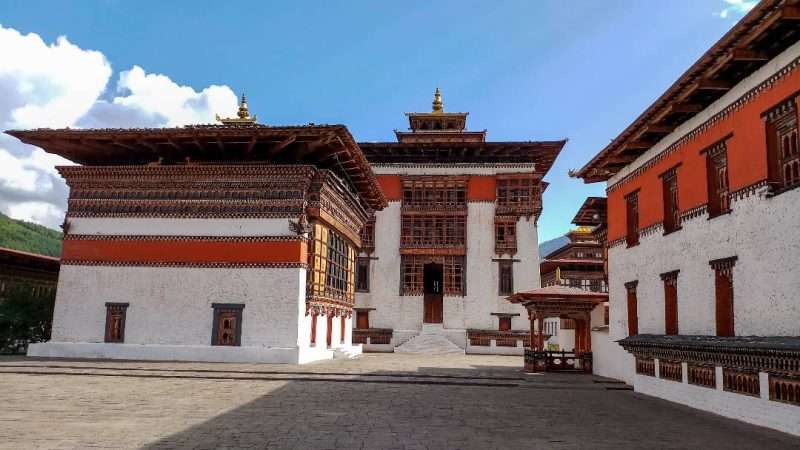
5. Best Time to Visit Bhutan from Israel
Bhutan is a year-round destination, but each season offers a different experience. The best time to visit depends on whether you prefer pleasant hiking weather, mountain views, colorful festivals or quieter travel.
Spring: March to May
Excellent for culture and nature
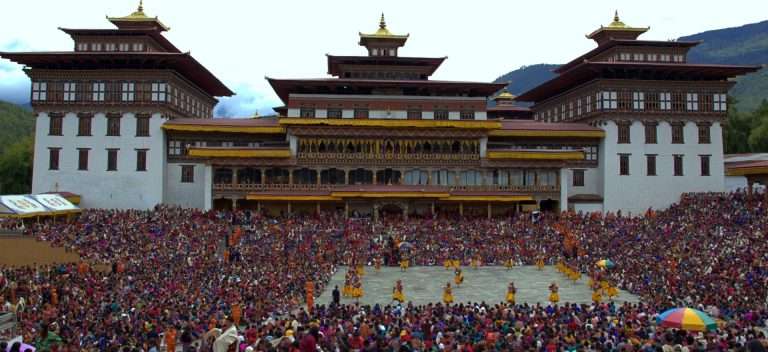
Spring brings blooming rhododendrons, green valleys and comfortable conditions for sightseeing and hiking. It is also a popular season for traditional festivals, including Paro Tshechu, whose dates vary each year.
Summer: June to August
Summer is lush and green, with beautiful landscapes and fewer visitors at some attractions. However, monsoon rain can affect mountain views, hiking conditions and road journeys.
Autumn: September to November
Excellent for mountain views
Autumn is one of Bhutan’s most popular travel seasons, with generally favorable conditions for sightseeing, trekking and photography. Major festivals take place in different regions throughout the season.
Winter: December to February
Winter offers crisp air, quieter monasteries and beautiful Himalayan views on clear days. Temperatures can be cold, especially at night and in higher-altitude valleys, so warm clothing is essential.
Our recommendation: For a first visit from Israel, consider March to May or September to November. If attending a festival is important to you, plan around the confirmed dates and allow flexibility when booking your flights.
6. Best Places to Visit in Bhutan
A well-planned Bhutan itinerary usually combines cultural landmarks, traditional villages, mountain scenery and time to experience everyday Bhutanese life.
- Paro – The Gateway to Bhutan
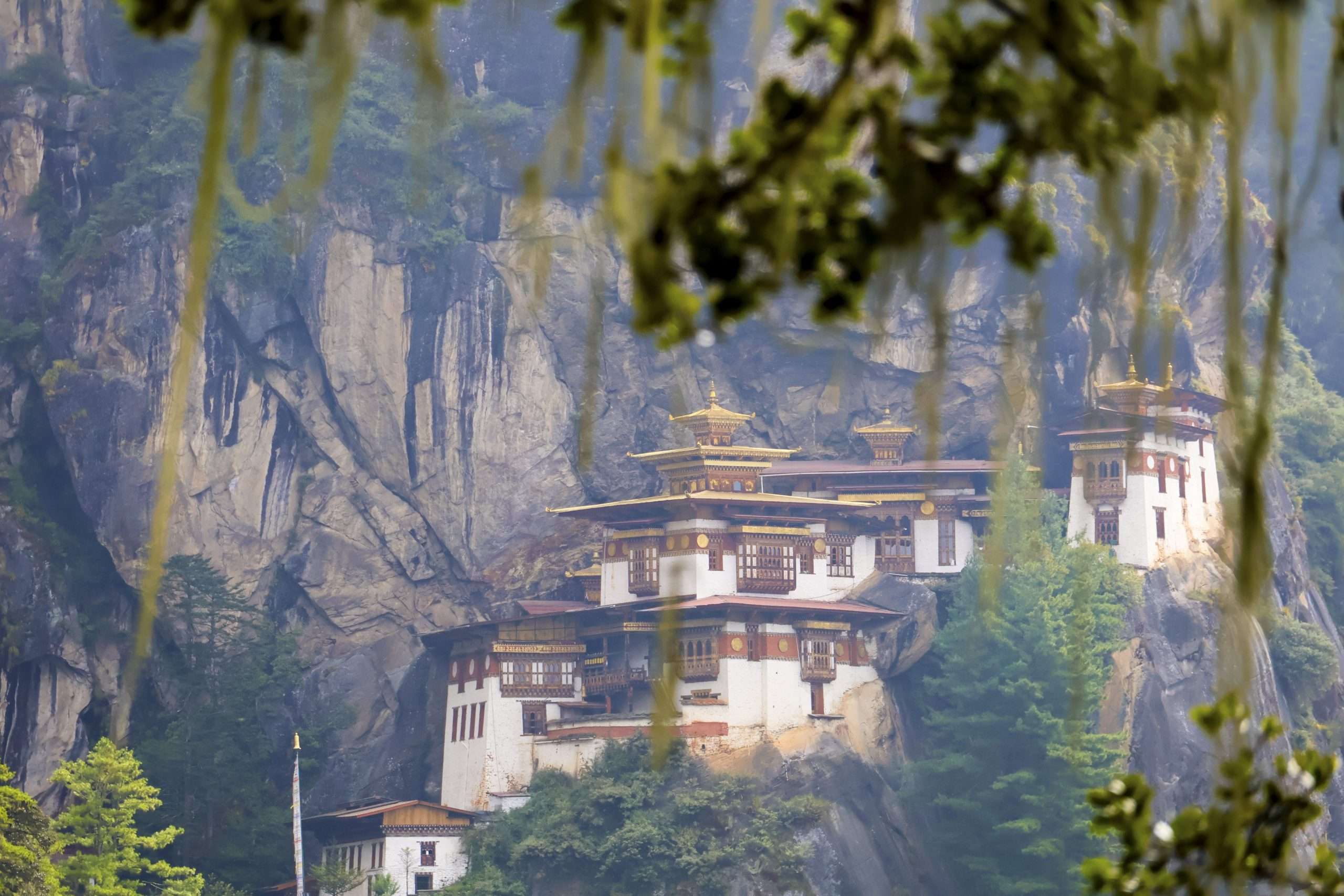
Paro is home to the iconic Tiger’s Nest Monastery, also known as Taktsang. Perched dramatically on a cliff, it is one of Bhutan’s most famous landmarks. Visitors can also explore Rinpung Dzong, traditional farmhouses and the National Museum.
- Thimphu – Culture and Contemporary Bhutan
Bhutan’s capital offers monasteries, traditional arts and crafts, local markets and opportunities to learn about Bhutanese Buddhism. It is a good place to explore the balance between traditional culture and modern life.
- Punakha – Dzongs, Rivers and Fertile Valleys
Punakha Dzong, situated at the confluence of two rivers, is one of Bhutan’s most impressive architectural landmarks. The valley is also known for its rice fields, suspension bridge and scenic countryside.
- Phobjikha Valley – Nature and Peaceful Landscapes
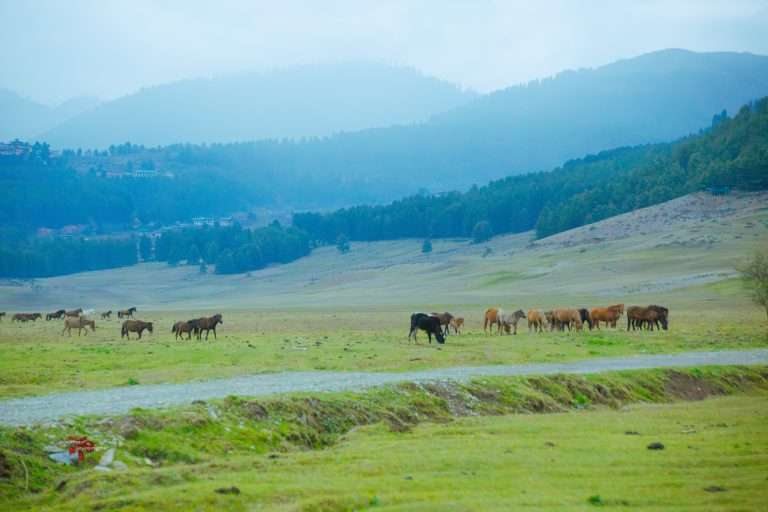
Phobjikha is a beautiful high-altitude valley with open meadows, traditional villages and gentle walking trails. During the colder months, it is also known for the arrival of black-necked cranes.
If you have more time, consider extending your journey to Bumthang, the spiritual heartland of central Bhutan, or exploring the Haa Valley for quieter landscapes and traditional village experiences.
7. Best Hiking and Trekking in Bhutan for Israeli Travelers
Bhutan is an excellent destination for travelers who enjoy outdoor adventures. Its trails range from short forest walks to challenging high-altitude expeditions through remote Himalayan terrain.
The following routes are particularly interesting for Israeli travelers who want to combine physical activity, spectacular scenery and cultural discovery.
1. Tiger’s Nest Monastery Hike
Location: Paro
Duration: Approximately 4–6 hours round trip
Difficulty: Moderate to challenging
The hike to Taktsang, popularly known as Tiger’s Nest, is an essential experience for many visitors. The trail climbs through pine forests towards a monastery perched dramatically on a cliff.
It combines Himalayan scenery, Buddhist heritage and a satisfying physical challenge. A reasonable level of fitness, comfortable walking shoes and enough time for rest stops are recommended.
2. Gangtey Nature Trail
Location: Phobjikha Valley
Distance: Approximately 4 km
Duration: Around 1.5–2 hours
Difficulty: Easy
This gentle walk passes through open meadows, pine forests and traditional villages, with beautiful views across the valley.
It is ideal for travelers who want to enjoy nature without committing to a strenuous hike. Winter visitors may also have opportunities to observe black-necked cranes.
3. Khamsum Yulley Namgyal Chorten Hike
Location: Punakha
Duration: Approximately 1.5–2.5 hours round trip
Difficulty: Easy to moderate
Walk through rice fields and climb a hillside to reach a beautiful temple overlooking the Punakha Valley. The route provides a combination of countryside scenery, gentle exercise and cultural interest.
4. Phajoding Monastery Hike
Location: Above Thimphu
Duration: Approximately 4–6 hours round trip
Difficulty: Moderate to challenging
The trail climbs through forested mountain terrain to Phajoding Monastery, a peaceful Buddhist retreat overlooking Thimphu.
This hike is an excellent choice for travelers interested in spirituality, forest walking and panoramic views. The sustained ascent and altitude make it more demanding than a casual sightseeing walk.
5. Longtey Hike
Location: Longtey, in the Pele La region
Duration: Approximately 1.5–3 hours, depending on the route
Difficulty: Easy to moderate
Longtey offers a quieter countryside experience with forested slopes, mountain scenery and rural surroundings.
It can be incorporated into a journey through central Bhutan, providing an opportunity to stretch your legs, enjoy nature and experience a less-visited area.
6. Kabji Hoka Tsho Excursion
Location: Kabji area, Punakha region
Duration: Allow approximately 2–4 hours for the excursion, depending on access and route
Difficulty: Easy to moderate, depending on the approach
Kabji Hoka Tsho is a lesser-known natural and culturally significant site that can appeal to travelers interested in peaceful landscapes and places beyond the standard sightseeing circuit.
Access and walking arrangements should be confirmed locally before visiting. Travelers should respect the site’s cultural significance and follow local guidance.
7. Chele La to Kila Goenpa
Location: Between Paro and Haa
Duration: Approximately 2–3 hours, depending on the selected route
Difficulty: Moderate
Starting near Chele La, one of Bhutan’s highest motorable passes, this walk offers forest trails and mountain scenery, with an opportunity to visit Kila Goenpa Nunnery.
It is an appealing option for travelers who enjoy mountain air, photography and quieter cultural experiences.
8. Dodeydra Monastery Hike
Location: Near Thimphu
Distance: Approximately 6.5 km, depending on the route
Duration: Around 3.5–5 hours round trip
Difficulty: Moderate to challenging
The trail to Dodeydra Monastery involves a substantial uphill climb through mountain terrain to a secluded monastic retreat.
It is particularly rewarding for hikers who want to combine physical activity with a peaceful cultural destination.
Which day hike should you choose?
- For first-time visitors: Tiger’s Nest.
- For an easy nature walk: Gangtey Nature Trail.
- For countryside and culture: Khamsum Yulley Namgyal Chorten.
- For a mountain hike near the capital: Phajoding Monastery.
- For quieter rural scenery: Longtey.
- For an unusual cultural and nature excursion: Kabji Hoka Tsho.
- For a more demanding forest hike: Dodeydra Monastery.
Trail times vary according to fitness, weather and the exact starting point. Your guide can help select suitable routes for your ability and travel dates.
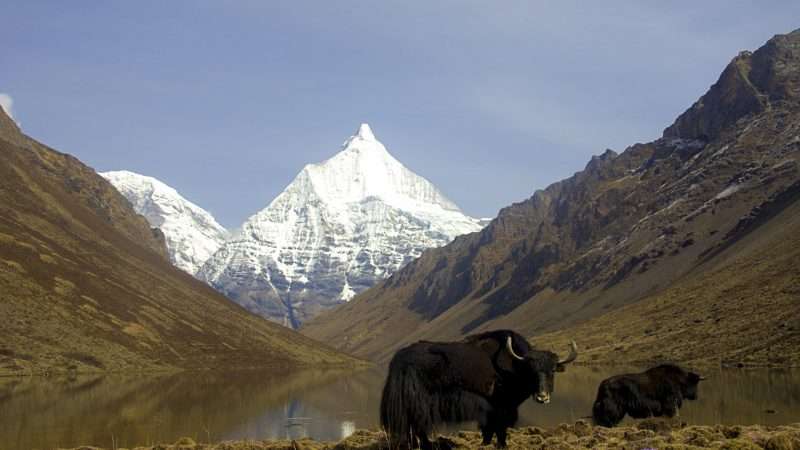
8. Best Multi-Day Treks in Bhutan
For Israeli travelers who want a deeper Himalayan adventure, Bhutan offers a wide range of multi-day treks through high-altitude meadows, remote villages, alpine lakes and dramatic mountain passes.
These routes require more planning than day hikes. Depending on the trek, arrangements may include camping equipment, meals, trekking staff, pack animals and appropriate acclimatization.
1. Dagala Thousand Lakes Trek
Duration: Approximately 5–6 days
Difficulty: Moderate to challenging
Highlights: Alpine lakes, mountain views and remote campsites
The Dagala Thousand Lakes Trek is a rewarding option for travelers seeking a quieter mountain adventure.
The route passes through high-altitude meadows, yak-herding areas and landscapes dotted with alpine lakes. Clear days can offer impressive Himalayan panoramas.
It is particularly appealing to photographers and nature lovers who want a multi-day trek without undertaking one of Bhutan’s longest expeditions.
2. Jomolhari Trek
Duration: Approximately 7–10 days, depending on the itinerary
Difficulty: Moderate to challenging
Highlights: Mount Jomolhari, remote valleys and high mountain camps
The Jomolhari Trek is one of Bhutan’s classic Himalayan adventures.
Beginning in the Paro region, the route passes through forested valleys, traditional settlements and alpine terrain before reaching spectacular mountain viewpoints near Mount Jomolhari.
The trek is best suited to travelers with good physical fitness who are prepared for several days of walking and camping at altitude.
3. Jomolhari–Laya–Gasa Trek
Duration: Approximately 13 days for the trekking route, depending on the itinerary
Difficulty: Challenging
Highlights: High mountain passes, remote villages and the culture of Laya
This extended route combines the dramatic mountain scenery of the Jomolhari region with an opportunity to visit Laya, a highland village known for its distinctive local culture.
The journey continues towards Gasa through remote landscapes and mountain terrain. It requires careful planning, appropriate acclimatization and enough time for weather contingencies.
4. Nub Tshonapata Trek
Duration: Confirm the current itinerary with a local trekking operator
Difficulty: Depends on the selected route
Highlights: Remote mountain landscapes, alpine scenery and a quieter trekking experience
The Nub Tshonapata Trek is an option for adventurous travelers interested in lesser-visited Himalayan routes.
Before booking, confirm the precise route, spelling, access arrangements, altitude profile, duration and camping logistics with a licensed Bhutanese operator. Remote trekking itineraries can vary, and it is important to use verified route information when planning the expedition.
5. Snowman Trek
Duration: Approximately 25–30 days, depending on the route
Difficulty: Extremely strenuous
Highlights: Remote Lunana, high mountain passes and wilderness landscapes
The Snowman Trek is one of Bhutan’s most demanding trekking expeditions. It crosses remote high-altitude terrain, isolated valleys and numerous mountain passes.
It is suitable only for experienced trekkers with excellent preparation, sufficient time and the flexibility to manage challenging weather conditions.
Which trek is best for you?
Trek | Best suited to |
Dagala Thousand Lakes | Fit hikers seeking alpine lakes and a quieter route |
Jomolhari | Adventurous travelers wanting classic Himalayan scenery |
Jomolhari–Laya–Gasa | Experienced trekkers interested in mountains and remote cultures |
Nub Tshonapata | Travelers seeking a less-visited route, subject to verified itinerary details |
Snowman Trek | Highly experienced trekkers prepared for a long, strenuous expedition |
For most travelers combining sightseeing with a multi-day trek, an itinerary of at least 10–14 days is a better starting point. Longer expeditions require additional time and dedicated trekking arrangements.
9. Off-the-Beaten-Path Bhutan: Places with Fewer Tourists
Beyond the main western Bhutan circuit, several destinations offer a quieter experience for travelers interested in rural culture, remote communities and landscapes away from the busiest tourist areas.
Visitor numbers vary by season, and no destination can be guaranteed to be empty. Nevertheless, these places offer rewarding alternatives to a conventional sightseeing holiday.
1. Haa Valley
Haa Valley is known for traditional settlements, forested hills and beautiful mountain scenery.
Visitors can walk through villages, explore local temples and experience a quieter side of western Bhutan. It is an excellent option for travelers who enjoy slow travel and authentic countryside experiences.
2. Phobjikha Valley
Phobjikha combines wide open landscapes, traditional villages and gentle nature trails.
Although it is an established destination, spending an additional night allows you to explore beyond the main attractions and enjoy the valley at a more relaxed pace.
3. Bumthang
Bumthang offers ancient temples, traditional villages, rural walking routes and opportunities to learn about Bhutan’s spiritual heritage.
Because it requires additional travel time, it is often omitted from short itineraries. Two or three nights can provide a more rewarding experience.
4. Merak and Sakteng
Located in eastern Bhutan, Merak and Sakteng are known for their distinctive highland culture and remote mountain setting.
The journey requires additional planning, and accommodation and facilities may be simpler than in western Bhutan. These destinations are particularly suitable for travelers with sufficient time who are interested in cultural immersion and adventurous exploration.
5. Laya
Laya is a remote highland settlement known for its mountain scenery and distinctive local traditions.
Reaching the village generally involves a multi-day trek. It is best suited to travelers prepared for physically demanding walking, high altitude and basic facilities.
6. Nabji and Korphu
These central Bhutanese villages offer opportunities to experience rural life, forest walks and community-based tourism.
They can be appealing for travelers who want to discover local culture away from the standard sightseeing circuit. Access and accommodation should be confirmed before planning the journey.
7. Dodeydra Monastery
For travelers with limited time, Dodeydra offers an opportunity to combine a day hike with a visit to a secluded monastic retreat near Thimphu.
It provides a quieter alternative to simply visiting the capital’s main landmarks.
10. What to Know Before Traveling from Israel to Bhutan
A little preparation will make your journey more comfortable, particularly if this is your first visit to the Himalayas.
- Travel insurance: Arrange comprehensive travel insurance covering medical emergencies, trip interruptions and any trekking activities you plan to undertake.
- Altitude: Paro is approximately 2,200 metres above sea level, and some sightseeing locations are higher. Take time to adjust and avoid overexertion when you arrive.
- Clothing: Pack layers, comfortable walking shoes, sun protection and a warm jacket. Mountain weather can change quickly.
- Local currency: Bhutan’s currency is the ngultrum (Nu.). Carry some cash for small purchases, and check which payment methods are accepted at your hotels and shops.
- Connectivity: A local SIM card or eSIM can help you stay connected. Check coverage and activation requirements before traveling.
- Cultural etiquette: Dress modestly when visiting monasteries and temples, remove your shoes where requested, and follow your guide’s advice about photography and religious customs.
- Food: Bhutanese cuisine features rice, vegetables, cheese and chili. Visitors can also find Indian, continental and other international dishes in many hotels and restaurants.
- Photography: Ask permission before photographing local people, monks or private ceremonies, and observe any restrictions inside religious buildings.
Do you need a guide in Bhutan?
For a first-time visitor, a licensed local guide can make a significant difference. Beyond explaining the history of monasteries and fortresses, a knowledgeable guide can introduce you to local customs, help you understand Buddhist traditions and adapt the itinerary to your interests.
A private tour with a dedicated vehicle is particularly useful for travelers who want flexibility, comfortable transfers and the freedom to explore at their own pace.
11. Why Choose a Local Bhutanese Tour Operator?
Planning a trip from Israel involves coordinating international flights, regional connections, visas, accommodation and transport. Working with a reliable local operator can simplify these arrangements.
At OMSHA Travel, we specialize in customized private journeys throughout Bhutan. Our approach is to help travelers discover the country through its living culture, beautiful landscapes, spiritual traditions and personal encounters with local communities.
Our tours can include:
- Private transport with a dedicated driver and licensed guide.
- Accommodation selected according to your preferences and budget.
- Assistance with Bhutan visa arrangements.
- Itineraries tailored to your travel dates, interests and pace.
- Cultural experiences, monastery visits, scenic walks and hiking.
- Practical advice on flights, packing and travel logistics.
Whether you are traveling as a couple, with family or independently, we can help you plan a journey that suits your interests rather than simply following a standard sightseeing schedule.
Explore our website at OMSHA Travel to discover Bhutan tour options and request a personalized itinerary.
12. Frequently Asked Questions
Can Israeli citizens travel to Bhutan in 2027?
Yes. Israeli passport holders can generally visit Bhutan for tourism, provided they obtain the required visa in advance and meet the applicable entry requirements.
Are there direct flights from Israel to Bhutan?
No Tel Aviv–Paro service is currently available. Travelers need to connect through another city, such as Delhi, Bangkok or Kathmandu, depending on the flight schedule.
How much is the Bhutan visa for Israeli citizens?
The current standard tourist visa application fee is US$40 per person. The fee is separate from the SDF and is non-refundable.
How much is the SDF in 2027?
The published rate for most international adult visitors is US$100 per person per night. The current rate is confirmed through August 2027; check the applicable rate for later travel dates.
How many days should I spend in Bhutan?
Seven days is a good introduction to western Bhutan. Eight to ten days allows more time for nature, cultural experiences and a more relaxed pace. Travelers interested in central or eastern Bhutan should consider a longer trip.
Can I travel independently in Bhutan?
You can arrange your own flights and apply for your visa online. However, organizing a private tour with a licensed Bhutanese operator is a practical way to arrange transport, guiding and accommodation together.
When should I book my 2027 Bhutan holiday?
Book as early as practical, particularly if you plan to travel during spring or autumn, attend a festival or stay at popular boutique and luxury properties. Confirm your Bhutan flight schedule before finalizing tight international connections.
Is Bhutan suitable for travelers who enjoy hiking?
Yes. Bhutan offers everything from gentle valley walks to challenging multi-day treks. The Tiger’s Nest hike is a highlight for many visitors, but your itinerary can be adapted to your fitness level and interests.
Plan Your Journey from Israel to Bhutan in 2027
Bhutan offers a distinctive Himalayan experience, combining spectacular landscapes, ancient Buddhist traditions, welcoming communities and a strong commitment to preserving its cultural and natural heritage.
For travelers from Israel, the key to a successful visit is to plan your flight connections carefully, arrange your visa in advance, budget for the SDF and choose an itinerary that allows enough time to enjoy the country.
With the right preparation, your journey can become much more than a sightseeing holiday. It can be an opportunity to slow down, experience a different way of life and discover the remarkable spirit of Bhutan.
Ready to explore Bhutan in 2027? Contact OMSHA Travel to plan a private Bhutan journey tailored to your travel dates, interests and budget.