Jambay Lhakhang Drup Festival (26th - 29th Oct 2026)
09 Nights / 10 Days
The Jambay Lhakhang Drup Festival is one of Bhutan’s most sacred and vibrant religious festivals, held annually at the historic Jambay Lhakhang in the picturesque valley of Bumthang Valley. This unique festival attracts both locals and international travelers seeking an authentic glimpse into Bhutanese spirituality, culture, and tradition.
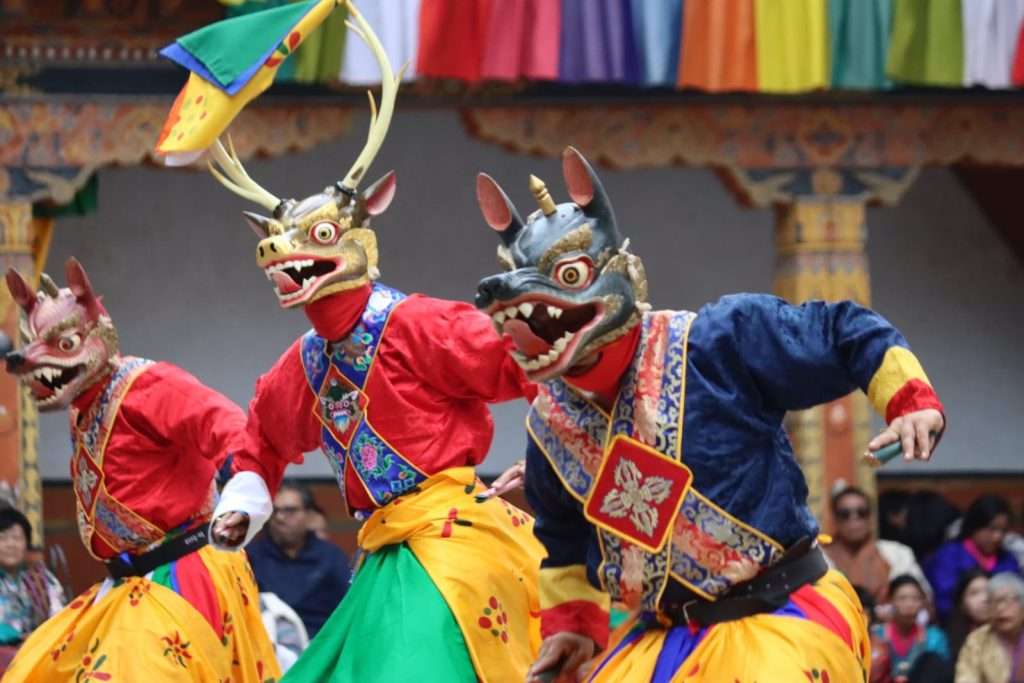
Dating back to the 7th century, Jambay Lhakhang is believed to have been built by the Tibetan king Songtsen Gampo. The Drup (festival) is celebrated over several days, featuring sacred mask dances performed by monks and laymen. These dances, known as cham, are not only visually captivating but also hold deep spiritual significance, symbolizing the triumph of good over evil and offering blessings to all who witness them.
One of the most iconic highlights of the festival is the Mewang (Fire Blessing Ceremony), where participants run beneath a flaming arch to cleanse sins and receive spiritual purification. Another extraordinary event is the Tercham (Naked Dance), performed at midnight by masked dancers. This rare and symbolic ritual is believed to ward off evil spirits and ensure prosperity and fertility for the community.
Set against the serene backdrop of Bumthang’s valleys, the Jambay Lhakhang Drup offers visitors an immersive cultural experience. Travelers can witness traditional Bhutanese attire, interact with friendly locals, and explore nearby sacred sites, making it a must-visit event for those interested in Bhutan’s living heritage.
EXCELLENT Based on 155 reviews
 Posted on Tripadvisor
 Kornel P23 August 2026Superb experience in the land of the thunder dragon Absolutely amazing experience, our guide was extremely knowledgeable and had a superb ability to talk about all that he knew. We learned a lot about Bhutan and truly enjoyed every part of our 4 day stay it was quite extensive. Highly recommend to anybody looking to visit and understand Bhutan.Posted on Tripadvisor
 Kierthini N22 August 2026An Authentic, Meaningful Bhutan Experience Thank you, Omsha Travel, for making this journey so much more than just an itinerary. I’m was a solo female traveler from Malaysia and I stayed in Bhutan for 8 days. I had done my own research and revised the itinerary based on the places and experiences I wanted to cover. Mr. Nawang took that and made it happen while also adding in experiences I could have easily missed. That was the best part. He understood what I wanted from this trip and helped me experience and explore Bhutan more wholesomely, with so much thought and hospitality along the way. And then came Mr. Lhazin, quite possibly the best guide I could have asked for. This trip truly became a spiritual journey for me. We spoke about so many things; religion, beliefs, life and perspectives and it was refreshing to exchange opinions and have meaningful conversations. His knowledge of nature was mind blowing, and I genuinely learnt so much from him. Then there was Mr. Tashi, who drove me through all the “scenic” roads I kept requesting because I wanted to experience Bhutan in its rawest form. And he made it happen, while constantly making sure I was safe. These two made sure I ticked off my bucket list while keeping me safe, exactly what my family is always worried about. So, fam, that part was well taken care of! I came to Bhutan looking for an experience, but I’m leaving with stories, perspectives, knowledge and two people I’ll genuinely remember. Thank you, Omsha Travel, Mr. Nawang, Mr. Lhazin and Mr. Tashi, for making my journey through Bhutan so wholesome.Posted on Tripadvisor
 Rivet L22 August 2026A trip of a lifetime with the perfect team I had an amazing time with OMSHA Travel in Bhutan. Since the first email exchange I have felt very well taken care of, they were incredibly responsive and willing to accommodate each and every of my adjustment requests and travel plan changes. After arriving in Bhutan my lovely guide Sonam picked me up from the airport together with the driver Nawang. Sonam is very kind and knowledgeable, I had so many questions about the culture, every day life, food, Buddhism, and she always had an answer to satisfy my curiosity. As it was a private tour, they gave me the flexibility to adjust our route as we were going too! Nawang is a great driver and such a sweet person! The car was very comfortable and all the accommodation chosen for me beautiful and picturesque. People surrounding me were all so very nice, it really felt like making good friends while exploring this beautiful country. I'm definitely coming back some time in the future and I'm definitely recommending OMSHA to all my friends! Thank you Sonam and Nawang!Posted on Tripadvisor
 Tomasz P16 August 2026Mindful experience and more Great experience and exploring of Bhutan with lovely people. We had a tailor made offer for our near 4 day stay. Appreciate the flexibility and helpfulness in organization of our trip and the full package. Friendly and knowledgeable guide helped us to understand the country, culture and people. We enjoyed every moment of this fascinating trip.Posted on Tripadvisor
 Jorg H12 July 2026perfect days in Bhutan We were so lucky to have Sonam as our guide for our 8 day tour of Bhutan. Everything along the way was perfect and we had no difficulties at all. Sonam was friendly, funny and entertaining, but what really blew us away was her knowledge of the history of Bhutan and Buddhism and her ability to tell the stories and legends of the various characters in Buddhism that we encountered. He knowledge really helped to enhance our enjoyment of Bhutan as well as our other travels into Tibet and China. I also want to mention our driver Nawang. He was a very calm and careful driver and we appreciated his driving over some challenging roads. We never felt scared or nervous and he never lost his cool, or became frustrated with other drivers. Overall, our guide and driver team made our trip to Bhutan easy, educational, fun, interesting, safe and fantastic!! The tour itself was well thought out, customized according to our interests, competitively priced and communication with Ngawang (not sure about spelling) the owner was very timely and clear.Posted on Tripadvisor
 Rita D3 July 2026Excellent Price to Value Tour Fabulous Tour! We appreciated that OMSHA was responsive from inquiry to final booking. Price to value was excellent. We liked the selected itinerary and appreciated that we could make changes as needed. Our guides Sonam and Tashi were knowledgeable and professional and we had great conversations. It felt more like traveling with friends than with a tour. I would highly recommend OMSHA. You won't be disappointed!Posted on Tripadvisor
 Michael S16 June 2026Hassle free and flexible Communication was quick and clear from the start. Personable. Individualized itineraries but hassle free. Flexible. Tour guide was great at adjusting plans to better fit my style as the trip progressed. Undoubtedly the way to go. No regrets!Posted on Tripadvisor
 rayaro15 June 2026Marvelous Bhutan We had a group of friends and family on 7 days tour of Western Bhutan. Level of service provided by OMSHA travel was unmatched in many areas. From the pick up at the airport, Sonam and Ganesh kept our exploration of Bhutan flawless. Our requests to visit specific areas and activities were accommodated. We spent a night in a homestay in Gasa, visited hot springs, had a lovely riverside birthday picnic and attended Folklore Show that was a highlight of our trip. Nawang handled all communications and financial details thoroughly and transparently.Posted on Tripadvisor
 Wander340623001438 June 2026Amazing Bhutan We traveled to Bhutan in June 2026, and Omsha Travels made our holiday a truly wonderful experience. From the very beginning, the booking process was seamless and professional. The entire trip was planned to perfection, allowing us to relax and fully enjoy the beauty, culture, and unique environment of Bhutan. A special thanks to the owner for the warm hospitality and excellent arrangements. We are also grateful to our tour guide, Lhazin Dorji, whose knowledge and enthusiasm helped us gain a deeper understanding of Bhutan’s rich culture and way of life. He was really accommodating and helped fulfill our every wish. Our driver was equally wonderful, ensuring a safe, comfortable, and enjoyable journey. This holiday gave us unforgettable memories and a genuine glimpse into the amazing lifestyle and traditions of Bhutan. We are very happy clients and would highly recommend Omsha Travels to anyone planning a visit. We look forward to returning again in the future!Posted on Tripadvisor
 Anya B7 June 2026Unforgettable trip to Bhutan! A wonderful experience from start to finish! One of the most memorable trips we have taken. Sonam was knowledgeable, attentive & passionate about sharing Bhutan. We appreciated the warmth and kindness shown throughout the journey. We leave Bhutan with wonderful memories and a much greater appreciation for this remarkable country.
Bhutan Tour Packages:
Adventure
Festivals
Travel Tips:
Blog Posts:
- Inside Amankora Bhutan: A Private Journey Through the Himalayas
- Planning to Visit Bhutan for Festivals in 2027? Best Festivals, Dates & Planning Guide
- Bhutan Travel Guide 2027: Everything You Need to Know Before You Go
- Visit Druk Wangyel Festival in December: A Guide to Dochula Pass
- Nabji Lhakhang Drup 2026: An Offbeat Bhutan Festival in December
Contact us:
Tour Highlights
- Attending the Jambay Lhakhang Drub Tour is one of Bhutan’s most vibrant and spiritual celebrations. The most notable dances include the Tercham (Naked Dance) and the Mewang (Fire Offering Ritual).
- Hike to the Taktsang ‘Tiger’s Nest’ monastery, one of Bhutan’s architectural highlights
- Walk across Farm Houses to reach Chimi Lhakhang, a 15th century fertility Temple
- Enjoy spectacular views of the Himalaya from the Dochula Mountain pass
- Visit the 300 year old Punakha Dzong which is located between Pho Chu (Male River) and Mo Chu (Female River)
- Hike up through the scenic mountains and alpine woods to 15th Century Kuenzangdra Monastery with spectacular view
- Explore the quite places of Central Bhutan, including sights like the Kurjey Lhakhang, Tamzhing and more
- Hike through glacial valley known for its stunning natural beauty immerse yourselves in the pristine environment of the Phobjikha valley
Itinerary
The early morning flight to Paro reveals scenic and breathtaking views of Himalayan Mountains of the world. If weather permits you will be able to see Mt. Everest (8848 m, 29,198ft) and other Himalayan Mountain Ranges. Once you arrive at the Paro International Airport, you will be greeted by our representative (Guide) and then drive to Thimphu (50km) which takes approximately an hour. On the way visit;
Tachogang Iron Chain Bridge, located along Paro-Thimphu highway, before Chhuzom. It is just a 10 minutes walk from the highway. It is a great spot for photography with a stunning view and peaceful ambience.
After arriving in Thimphu,visit; National Memorial Chorten: Probably one of the most popular Thimphu points of interest. visit Buddha Dordenma Statue, also known as the “Buddha Point,” a massive statue of Buddha Shakyamuni in the Kingdom of Bhutan.
Lunch at Zombala 2 Restaurant, a popular eatery for both locals and tourists seeking authentic flavors. Try Momos (dumplings), Thukpa: A comforting noodle soup and Ema Datshi: Bhutan’s national dish made with chilies and cheese.
The Jungshi Handmade Paper Factory is reputedly the best place that manufactures traditional paper. You can buy this unique paper here which will make for interesting souvenir gifts.
Changlimithang Archery Ground to see local folks playing their tradition game archery.
The Centenary Farmers Market (Now Kaja Throm) is a vibrant and dynamic space, offering a diverse range of products and experiences. Walk through Bhutan’s capital city exploring Clock Tower Square, a prominent landmark adorned with intricate Bhutanese motifs and stroll towards Thimphu’s iconic traffic junction, famously known as the main traffic circle as it has no traffic lights. Instead, you’ll witness a white-gloved traffic officer gracefully directing vehicles in a choreographed style that has become a tourist attraction in its own right.
Lastly Tashichhodzong visit. This magnificent structure stands proudly on the banks of the Wang Chhu River and serves as both a religious and administrative hub of Bhutan. Now it houses the secretariat building, the throne room and the office of the King and central monk body.
Overnight in Thimphu
After breakfast, Tango Buddhist Institute: Set around 14 kilometers away from the city center, the Tango Buddhist Institute is a place of serenity set in the picturesque valley of Thimphu. The temple can be reached through a hike (1 hour approximately) through the scenic mountains and alpine woods, which is one of the most exhilarating things to do in Thimphu. On the way visit The Choki Traditional Art School in Thimphu, Bhutan, is a remarkable institution dedicated to preserving Bhutan’s traditional arts and crafts and Pangri Zampa – Astrology College and seek and find out your astrology birth chart.
Royal Takin Preserve also known as the Mini Zoo by many is a small natural preserve for the Takin – Bhutan’s national animal.
Lunch at the Folk Heritage Restaurant in Thimphu offers a delightful opportunity to savor authentic Bhutanese cuisine in a traditional setting. Located next to the Folk Heritage Museum, the restaurant complements the cultural experience with its unique ambiance and carefully curated menu.
The Folk Heritage Museum is a restored 19th-century traditional Bhutanese farmhouse, providing visitors with an authentic glimpse into the rural lifestyle of Bhutan.
Optional – Night Tour: Sangaygang BBS Tower Viewpoint, offering breathtaking nighttime views of Thimphu. The city lights twinkle like stars, creating a mesmerizing contrast against the dark mountainous backdrop. The Tashichho Dzong Viewpoint offers a spectacular night view of this iconic fortress, making it a must-visit spot for those who want to experience the beauty of Thimphu.
After breakfast, drive to Bumthang which is (6 hours approx). The drive is scenic with beautiful landscapes and villages along the way. On the way, stop over the Dochu-La pass (3,100 meters), which on a clear day offers an incredible view of Himalayan peaks snowclad mountains from the pass. The beauty of this place is further enhanced by the Druk Wangyel Chorten – 108 stupas.
Stop at Pelela Pass and look around the roadside strolls where locals sell handwoven textiles.
And visit Chendebji Chorten. Lunch at Trongsa and visit Trongsa Dzong, the largest dzong situated on a spur, a wild rocky area, with the scenic backdrop of the Mountains provides a strategic location to control Bhutan for centuries and it was the seat of the Wangchuck dynasty who effectively ruled over much of eastern and central Bhutan. On the way Bumthang visit Yathra Weaving Center in Chumey valley.
After breakfast, you will drive to Jambay Lhakhang, the venue for the festival, where you’ll experience the second day of the Jambay Lhakhang Drub. On the first day, the program aims to: 1. Impart moral teachings, 2. Ward off evil spirits, and 3. Celebrate Buddhist faith. The festival also offers a marketplace for local artisans and businesses, featuring stalls selling crafts, jewelry, religious artifacts, and thangkas.The second day showcases a series of captivating dances, including the Dance of the Black Hat, Dance of the Four Ging, Dance of Offerings, Fire Dance, and Dance of the Lord of the Cremation Ground. The highlight of the festival is the midnight Ter Cham or Sacred Naked Dance.
After lunch continue to attend Festival or visit Burning Lake Mebar Tsho, commonly known as the Burning Lake, is a sacred and mystical site located in the Tang Valley of Bumthang district in central Bhutan. Visit to Kurjey Lhakhang and Tamshing Monastery.
Later stroll around the local market and stroll setup especially for the festival.
Optional: Naked Mask Dance. At exactly midnight, a group of men emerges, twirling and leaping to the rhythmic beats of traditional mask dance drums and cymbals, performing this unique and sacred ritual.
Hike up through the scenic mountains and alpine woods to 15th Century Kuenzangdra Monastery with a spectacular view of the valley.
After breakfast, excursion to Tang Valley, nestled in Bhutan’s Bumthang district, is a hidden gem known for its serene landscapes and rich cultural heritage.
Ogyen Choling Palace Museum: A historical mansion turned museum, showcasing Bhutanese heritage.
Tang Rimochen Lhakhang: A revered temple with unique rock formations and spiritual significance.
When coming back visit the Pema Choling Nunnery. Have Picnic lunch and head back to Bumthang.
Overnight in Bumthang.
Drive back to Gangtey 5 hours approx. Phobjikha valley is also the winter home of Black Necked Cranes that migrate from the arid plains in the north (Tibetan plateau) to pass their winter in the milder and lower climate. Phobjikha is one of Bhutan’s few glacial valleys and offers incredible scenery. In Gangtey visit Gangtey Monastery also known as Gangteng Monastery or Gangtey Gonpa, is a prominent Tibetan Buddhist monastery located in the Wangdue Phodrang District of Bhutan. Upon reaching Gangtey, explore the valley by cycling through the villages and soaking in the stunning views of Phobjikha Valley.
And visit Ta Dzong, located in Trongsa, Bhutan, is a historical watchtower that has been converted into a museum. It stands as an important landmark in Bhutanese history and offers a unique perspective on the country’s cultural heritage.
After breakfast, hike Gangtey Nature Trail, which is one and a half hours and visit Gangtey Monastery dating back to the 17th century. This monastery, perched on a hilltop, offers breathtaking views of the Phobjikha Valley.
And drive back to Punakha, do river rafting (extra cost), visit Chimi Lhakhang, temple of Fertility blessed by Lam Drukpa Kuenley, who is known as the Divine Madman for his eccentric behaviors. He is also considered a symbol of fertility and many childless couples go to his temple for blessing.
After breakfast 45 minutes hike to Khamsum Yulley Namgyel chorten with the picturesque view of the rice terraces along the river. Khasum Yulley Namgyal is a beautiful chorten located on a ridge at Kabesa Gewog in Punakha overlooking several villages. It is a 30-minute drive from the Khuruthang Town and a 45-minute uphill hike from the base of the hill through suspension bridge and rice fields.
Then visit Punakha Dzong, one of the majestic fortresses which is located between Pho Chu (Male River) and Mo Chu (Female River). Punakha was the ancient capital of Bhutan. Then visit the longest suspension bridge across the dzong.
After lunch, drive to Paro (3 and half hrs).
In Paro, visit Chencho Weaving Center in Paro Town, a locally-run weaving center showcases the intricate art of traditional Bhutanese weaving, offering visitors a chance to witness skilled artisans at work and stroll around Paro downtown for shopping or a cup of coffee.
Namgay Artisanal Brewery: Did you know Bhutan has some of the most reputed and highly enjoyed brews? Well, if you are a beer lover and want to taste some of the finest brews, you must visit the Namgay Artisanal Brewery in Paro Valley.
Overnight in Paro
Taktsang Monastery: The wooden structure built amazingly, stands bravely on a cliff. It is said that the great Guru Rinpoche flew here on the back of a tigress and set up this monastery when he brought the teachings of the Buddhist Dharma to Bhutan in the 8th Century. From the road, the hike toward Taktsang follows an uphill route and returning back takes approximately 5-6 hours at an average walking pace on a clear, sunny day.
Later we welcome you to visit Bhutanese homes for dinner with them and experience their hospitality. A visit gives you an interesting glimpse into the lifestyle of Bhutan. And try the Hot Stone Bath. A Bhutanese hot stone bath is the perfect way to relax and wind down after a long day of sightseeing and is also believed to have numerous health benefits.
In the morning drive to Paro airport for departure to your onward destination.
What's Included & Excluded
Inclusions:
- A minimum of 3-star accommodation
- Full Board (Breakfast, Lunch & Dinner)
- Bottle of water in the car.
- A licensed Bhutanese tour guide.
- Private transport (transfer & sightseeing)
- Monument (Dzongs & Temples) and Museum Fees
- Sustainable Development Fee & Visa Fee
Exclusions:
- Air Transport/Flight
- Personal Expenses such as Laundry, Tips, etc
- Drinks & beverages.
- Travel Insurance
- Bank Charges