
09 Day Bird Photography Tour
8 Nights / 9 Days
This 9-day Bhutan journey blends cultural discovery with exceptional birdwatching experiences across some of the country’s most scenic valleys. Beginning in Paro with panoramic Himalayan views, the tour takes you to Thimphu, Gangtey, Punakha, and back to Paro, combining iconic landmarks with nature-rich excursions.
Highlights include exploring Thimphu’s vibrant cultural sites such as the Buddha Dordenma, Tashichhodzong, and local markets; hiking to Cheri Monastery with bird sightings along the forested trail; and traveling through the breathtaking Dochu-La Pass with its panoramic views of snowcapped peaks. In Gangtey and Phobjikha, you’ll experience the tranquil valley famed for the endangered Black-necked Cranes, while the Lamperi Botanical Park and Punakha’s fertile valleys offer opportunities to spot rare and migratory bird species.
Bhutan Tour Packages:
Adventure
Festivals
Travel Tips:
Blog Posts:
- Traveling from Israel to Bhutan in 2027: Flights, Visa & Travel Guide
- When Is the Best Time to Visit Bhutan in 2027?
- Bhutan SDF 2027: Sustainable Development Fee Explained
- How to Get to Bhutan in 2027: Best Flight Routes via Kathmandu, Delhi, Bangkok & More
- Inside Amankora Bhutan: A Private Journey Through the Himalayas
Contact us:
Tour Highlights
- Hike to the Taktsang ‘Tiger’s Nest’ monastery, one of Bhutan’s architectural highlights
- Walk across Farm Houses to reach Chimi Lhakhang, a 15th century fertility Temple
- visit at Lamperi Botanical Park, where we may find, Hill Partridge, Rufous-bellied Woodpecker, Red-billed Leiothrix, Fire-capped Tit, Blue-fronted Redstart, Verditer Flycatcher, Blue-fronted Robin (very shy and rare), the impressive Scarlet Finch, Dark-breasted Rosefinch and with a bit of luck, a much rarer Maroon-backed Accentor.
- Visit the 300 year old Punakha Dzong which is located between Pho Chu (Male River) and Mo Chu (Female River)
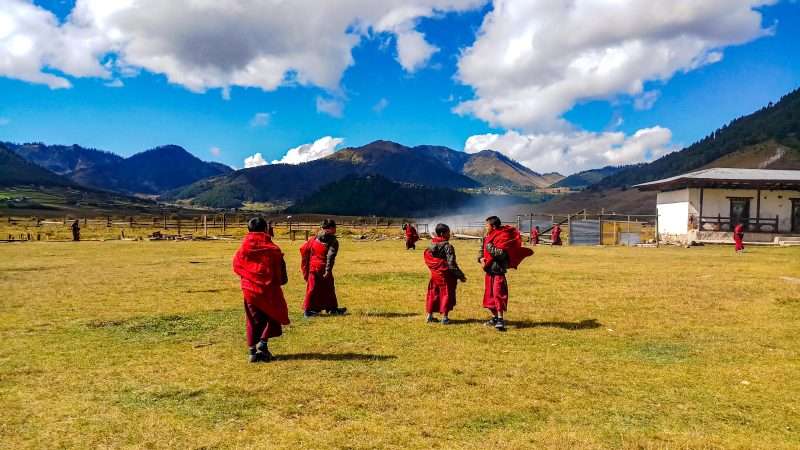
- Hike through glacial valley known for its stunning natural beauty immerse yourselves in the pristine environment of the Phobjikha valley
- Spot Himalayan species like the Himalayan Monal, Blood Pheasant, and Fire-tailed Myzornis amidst stunning alpine scenery.
Itinerary
The evening flight to Paro reveals scenic and breathtaking views of Himalayan Mountains of the world. If weather permits you will be able to see Mt. Everest (8848 m, 29,198ft) and other Himalayan Mountain Ranges. Once you arrive at the Paro International Airport, you will be greeted by our representative (Guide) from OMSHA Travel and then drive to Thimphu (50km) which takes approximately an hour. On the way visit;
Tachogang Iron Chain Bridge, located along Paro-Thimphu highway, before Chhuzom. It is just a 10 minutes walk from the highway. It is a great spot for photography with a stunning view and peaceful ambience.
After arriving in Thimphu,visit; National Memorial Chorten: Probably one of the most popular Thimphu points of interest. And visit Buddha Dordenma Statue, also known as the “Buddha Point,” a massive statue of Buddha Shakyamuni in the Kingdom of Bhutan. Royal Takin Preserve also known as the Mini Zoo by many is a small natural preserve for the Takin – Bhutan’s national animal.
Overnight in Thimphu
Early morning hike to Cheri Monastery: A popular hike leads to Cheri Monastery, starting from the base of Dodena. The trail passes through dense forests and crosses a suspension bridge over the Wang Chhu river, providing scenic views of the valley and an opportunity to spot wildlife, including various bird species. Bird species like Yellow-billed Blue Magpie, Chestnut-crowned Laughingthrush, Spotted Nutcracker, Rufous-bellied Niltava, Black-faced Laughingthrush, White-throasted Laughingthrush etc are spotted.
Back in Thimphu The Jungshi Handmade Paper Factory is reputedly the best place that manufactures traditional paper, made using an age-old method instead of the modern way. Visitors to the paper factory are given a demonstration of the paper making process. One of the most popular things to do in Thimphu, you can buy this unique paper here which will make for interesting souvenir gifts.
The Centenary Farmers Market (Now Kaja Throm) is a vibrant and bustling market that takes place every weekend in the capital city of Bhutan. It is a hub for local farmers, artisans, and vendors to come together to sell their produce and goods.
Tashichhodzong. This magnificent structure stands proudly on the banks of the Wang Chhu River and serves as both a religious and administrative hub of Bhutan. Now it houses the secretariat building, the throne room and the office of the King and central monk body.
Overnight in Thimphu
Early morning, drive to Gangtey which is 4hours (approx). The drive is scenic with beautiful landscapes and villages along the way.
On the way, stop over the Dochu-La pass (3,100 meters), which on a clear day offers an incredible view of Himalayan peaks snowclad mountains from the pass. The beauty of this place is further enhanced by the Druk Wangyel Chorten – 108 stupas.
In the pristine mixed forests of hemlock, fir and oak, there is an incredible wide range of mammals and birds, where it is possible to see species such as: Hodgson’s Hawk Cuckoo, Rufous-vented Tit, Buff Barred Warbler, Streak-breasted Scimitar Babbler, Chestnut-crowned and Grey-sided Laughingthrush, Rufous Sibia, Fire-tailed Myzornis White-collared Blackbird, White-browed Shortwing, Slaty Blue Flycatcher, Green-tailed Sunbird and Olive-backed Pipit to name just a few.
Further down we will visit at Lamperi Botanical Park, where we may find, Hill Partridge, Rufous-bellied Woodpecker, Red-billed Leiothrix, Fire-capped Tit, Blue-fronted Redstart, Verditer Flycatcher, Blue-fronted Robin (very shy and rare), the impressive Scarlet Finch, Dark-breasted Rosefinch and with a bit of luck, a much rarer Maroon-backed Accentor.
After lunch further head to Gangtey and on the way stop at some point before reaching Nobding searching for Wedge-tailed Green Pigeon, Yellow-rumped Honeyguide etc.
In Gangtey visit and visit Gangtey Monastery dating back to the 17th century. This monastery, perched on a hilltop, offers breathtaking views of the Phobjikha Valley. Overnight in Phobjikha
After breakfast, hike Gangtey Nature Trail, which is one and a half hours and enjoy the
breathtaking view of Phobjikha valley. And try to spot the endangered species of birds – Black Neck Cranes during the winter months only.
And drive back to Punakha, walk across farmhouses to reach Chimi Lhakhang, A 15th-century fertility temple, blessed by Lam Drukpa Kuenley, who is known as the Divine Madman for his eccentric behaviors. He is also considered a symbol of fertility and many childless couples go to his temple for blessing.
In the late afternoon, we will bird along the Puna Tsang Chhu valley looking for some water birds such as, Pallas’s Fish Eagle (rare and globally endangered), Osprey, Bar-headed Geese, Ruddy Shelduck (abundant during winter months), Gadwall, Eurasian Wigeon, Mallard, Indian Spot-billed Duck (rare), Northern Shoveler (rare), Tufted Duck (rare), Great-crested Grebe (rare), Goosander, Grey Heron, Little Egret, Great Cormorant (common), River Lapwing, Long-billed and Little Ringed Plovers, Common Greenshank, Pallas’s Gull (rare), White-throated Kingfisher, White-browed Wagtail, Spotted Dove and in the nearby paddy fields we should find the scarce Richard’s Pipit. Some of the birds listed are winter migratory birds. Overnight in Punakha
After breakfast, 45 minutes hike to Khamsum Yulley Namgyel chorten with the picturesque view of the rice terraces along the river. It is a beautiful chorten located on a ridge at Kabesa Gewog in Punakha overlooking several villages. It is a 30-minute drive from the Khuruthang Town and a 45-minute uphill hike from the base of the hill through suspension bridge and rice fields
Then visit Punakha Dzong, one of the majestic fortresses which is located between Pho Chu (Male River) and Mo Chu (Female River). Punakha was the ancient capital of Bhutan. Then visit the longest suspension bridge across the dzong, spanning 160m over the Phochu River, and connect the Punakha Dzong (fortress) with the nearby villages and agricultural lands.
After lunch, drive to Talo village. Talo Village is a picturesque settlement located in the Punakha District of Bhutan. Situated at an altitude of approximately 2,800 meters (9,200 feet) above sea level, Talo is known for its stunning natural beauty, traditional Bhutanese architecture, and vibrant cultural heritage.
And then The Sangchhen Dorji Lhuendrup Nunnery is perched on a hilltop overlooking the beautiful Punakha valley and Wangduephodrang valley. Surrounded by rich lush green pine forest the nunnery complex is a true expression of Bhutanese architecture portraying strong traditional values. Overnight in Punakha
After breakfast, drive to Paro (3.5 hours).
In Paro visit Paro Rinpung Dzong, also known as Paro Dzong, is one of Bhutan’s most iconic fortresses, located in the scenic Paro Valley. Its full name, Rinpung Dzong, translates to “Fortress of the Heap of Jewels”
Later in the afternoon, we will search by the Pa Chhu river, where camouflaged amongst the glacial stones, Himalayan riverine species such as the Ibisbill can be seen as it dips in the snowmelt, searching for food. In this area we should also find; Brown Dipper (fairly common along many of Bhutan’s river), Common Snipe, Common and Green Sandpipers, Plumbeous Water Redstart, Common Hoopoe, Himalayan Buzzard, Common Kestrel, Grey-backed Shrike, Russet Sparrow, Rosy Pipit, Siberian Stonechat, White Wagtail, Rufous-breasted Accentor.
Overnight in Paro
Enjoy full day sightseeing around Paro.
Taktsang Monastery: The wooden structure built amazingly, stands bravely on a cliff. It is said that the great Guru Rinpoche flew here on the back of a tigress and set up this monastery when he brought the teachings of the Buddhist Dharma to Bhutan in the 8th Century. From the road, the hike toward Taktsang follows an uphill route and returning back takes approximately 5-6 hours at an average walking pace on a clear, sunny day.
Up at the monastery by the rocky ledges we will look for flocks of Snow Pigeon (winter birds) and Altai Accentor, while the waterfall next to the monastery is home for the Little Forktail, White-capped and Plumbeous Water Redstarts. Other regular birds seen on this journey may well include, flocks of Large-billed Crow, Red-billed Chough, Black-faced Laughingthrush, Whiskered Yuhina and Eurasian Tree Sparrow.
Later we welcome you to visit Bhutanese homes for Hot Stone Bath. A Bhutanese hot stone bath is the perfect way to relax and wind down after a long day of sightseeing and is also believed to have numerous health benefits. Practice archery at the farmhouse. Archery is the national sport of Bhutan. With our archery lessons, your guide will set up the targets and teach you the rules, as well as how to correctly hold the bow.
Darts are another popular pastime in Bhutan, with a different scoring system to the western tradition, and a target low to the ground. Both sports are a fun way to spend an afternoon, enjoying some healthy competition. Later dinner with them and experience their hospitality. A visit gives you an interesting glimpse into the lifestyle of Bhutan.
Overnight in Paro
An early morning departure for our journey up through ancient high boreal forests to Chele La at 3,780m, the highest point we will reach on this tour. Along this route we can look out for Grey Nightjar, often seen on the roadside at dawn. Arriving at the pass there are breathtaking views of the high Himalayan peaks of Jhomolhari (7,219m), Jichu Drake (6,989m) and down into the Paro and Ha valleys.
By now we would have seen many of our target birds for Bhutan, but this gives us further opportunities to see and photograph such sought-after species as Himalayan Monal, Blood Pheasant, Bearded Vulture (formally known as Lammergeier), Hen Harrier (rare), Long-legged Buzzard (rare), Himalayan Cuckoo, Wood Snipe (very rare), Rufous-fronted Tit, Greenish Warbler, Spotted Laughingthrush (beautiful caller), Red-tailed Minla, White-browed Fulvetta, Rufous-vented Yuhina, Hodgson’s Treecreeper, Red-throated Thrush (rare), Blanford’s Rosefinch (rare), Collared Grosbeak, White-browed Bush Robin and Red-headed Bullfinch.
After breakfast we will continue birding the beautiful areas of Chele La before gradually making our way back to Paro where we will stop by the Pa Chhu looking for one of the mega species of the Himalayas, the enigmatic Ibisbill and we hope to obtain some amazing photos! Other birds in the area include, Black-tailed Crake (seen in the nearby marshes), Mandarin Duck (rare), Common Snipe (rare for Bhutan), Rosy Pipit, Brown Dipper, Plumbeous Water Redstart .
Overnight in Paro
In the morning drive to Paro airport for departure to your onward destination.
What's Included & Excluded
Inclusions:
- A minimum of 3-star accommodation
- Full Board (Breakfast, Lunch & Dinner)
- Bottle of water in the car.
- A licensed Bhutanese tour guide.
- Private transport (transfer & sightseeing)
- Monument (Dzongs & Temples) and Museum Fees
- Sustainable Development Fee & Visa Fee
Exclusions:
- Air Transport/Flight
- Personal Expenses such as Laundry, Tips, etc
- Drinks & beverages.
- Travel Insurance
- Bank Charges