Bhutan Tour Packages:
Adventure
Festivals
Travel Tips:
Blog Posts:
- Traveling from Israel to Bhutan in 2027: Flights, Visa & Travel Guide
- When Is the Best Time to Visit Bhutan in 2027?
- Bhutan SDF 2027: Sustainable Development Fee Explained
- How to Get to Bhutan in 2027: Best Flight Routes via Kathmandu, Delhi, Bangkok & More
- Inside Amankora Bhutan: A Private Journey Through the Himalayas
Contact us:
Bhutan Festival Calender 2027: Complete Travel Guide for Tshechus & Drubchens
“In Bhutan, a festival is not a performance for tourists. It is an act of devotion — a living prayer that has repeated, season after season, for centuries. To witness one is to understand something essential about this kingdom.”
Bhutan’s festival calendar is rich and varied, but not every festival suits every traveller. Before diving into dates and details, it helps to know what kind of experience you’re looking for. This guide is organised by travel style — so whether you have three days or three weeks, whether you crave spectacle or solitude, there is a Bhutanese festival waiting for you in 2027.
In this complete guide, we share the tentative Bhutan festival calendar for 2027, along with travel tips, festival highlights, and recommended itineraries.
Note: Festival dates in Bhutan follow the lunar calendar and may slightly change after official confirmation by the monastic body
Grand Festivals for Short Trips
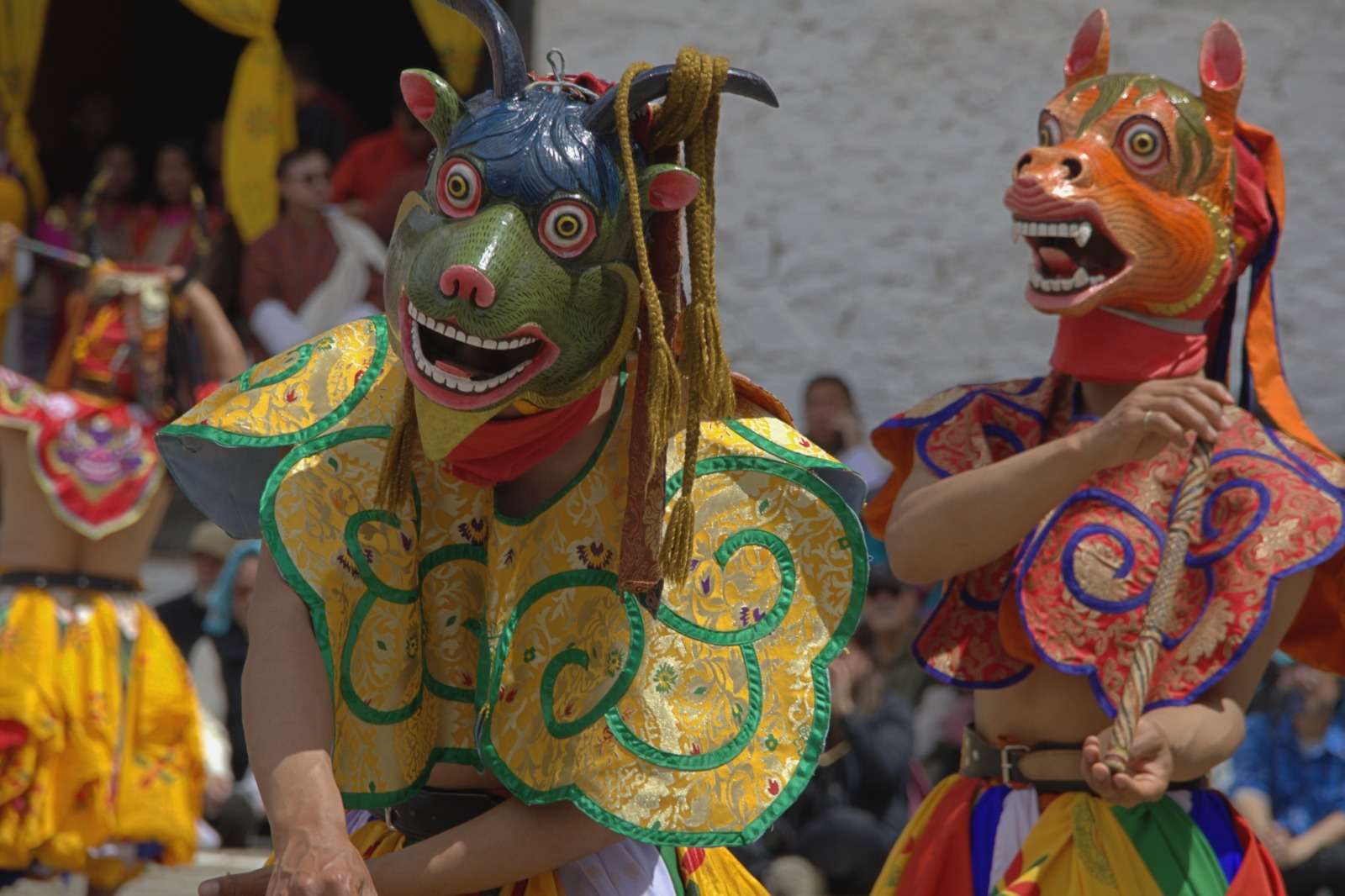
If you have limited time in Bhutan — a long weekend or a week — and you want to witness the full grandeur of a Bhutanese Tshechu, these four festivals are your best options. They take place in Bhutan’s most accessible dzong towns, with good hotels nearby, experienced local guides, and the most elaborate mask dance programmes. Thousands of Bhutanese pilgrims attend in their finest traditional dress, making these as much a cultural pageant as a religious event.
Paro Festival
18th – 22nd March, 2027 | Rinpung Dzong, Paro
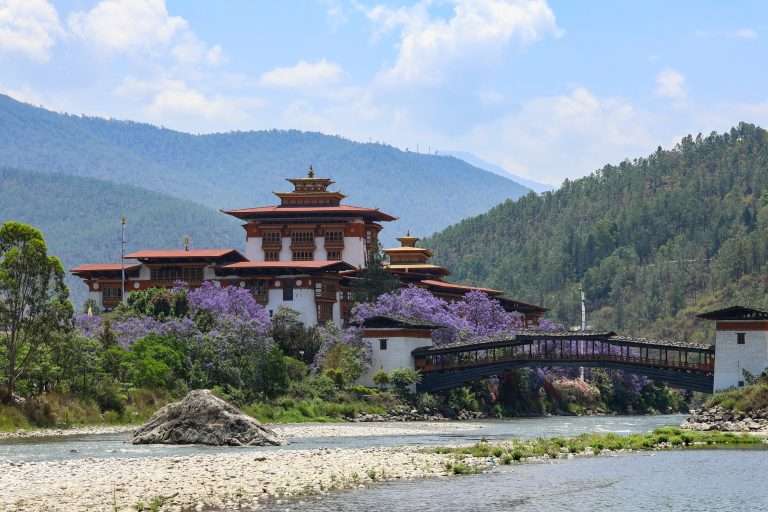
The most internationally famous of Bhutan’s festivals, held in the white-walled Rinpung Dzong as cherry blossoms frame the valley below. The five-day programme culminates in the unfurling of the giant Thongdrel — a sacred silk thangka the size of a building — displayed at dawn on the final day before the sun’s rays touch it. Witnessing this moment, with thousands of Bhutanese in tears of devotion, is one of the most moving travel experiences anywhere. Book accommodation months in advance; Paro fills completely during Tshechu week.
Thimphu Festival
10th – 12th Oct, 2027 | Tashichho Dzong, Thimphu
Held at Bhutan’s iconic capital fortress, the Thimphu Tshechu is the largest festival in the country by attendance. The three-day celebration draws Bhutanese from across the country alongside diplomats, royalty, and international visitors. The mask dances (Cham) performed here include some of the most elaborate costumes in Bhutan — the Raksha Mangcham (Dance of the Lords of Death) is particularly striking. Autumn timing means clear mountain skies and comfortable temperatures. Ideal for families and travellers combining the festival with broader sightseeing in the capital.
Punakha Festival
16th – 18th February, 2027 | Punakha Dzong, Punakha
Punakha holds two consecutive events — the Drubchen (a rare, intense three-day religious ceremony re-enacting a 17th-century battle victory over Tibetan invaders) followed immediately by the Tshechu. The Drubchen features mock cavalry charges, armour-clad warriors on horseback, and a procession of warriors that has no equivalent in any other Bhutanese festival. The combination gives you six days of celebration in arguably Bhutan’s most beautiful dzong setting — at the confluence of two turquoise rivers. The warm valley climate in late winter is an added bonus.
Wangdue Phodrang Festival
8th – 10th Oct, 2027 | Wangdue Phodrang Dzong, Wandue Phodrang
Wangdue Phodrang sits on a dramatic ridge between Thimphu and Punakha, making it easily combined with either destination. Its Tshechu takes place as the autumn harvest ripens across the valley below. Less overtly touristy than Paro or Thimphu, yet still large and spectacular, it strikes a good balance for travellers who want grandeur without the full international crowd. The dzong’s commanding hilltop position creates extraordinary photographic opportunities. The recently restored fortress is also itself a sight worth visiting outside festival season.
Intimate & Immersive Festivals
If you have already experienced a grand Tshechu — or if you simply prefer depth over spectacle — Bhutan’s smaller, more intimate festivals offer something altogether more personal. Attendance is predominantly local. You will be one of very few foreign visitors, and the experience of sitting in a monastery courtyard surrounded by Bhutanese families who have walked days to be there is profoundly different from the grand dzong festivals. These take more effort to reach, but reward that effort generously.
Haa Festival
6th – 8th Nov, 2027 | Haa Valley
Haa is one of Bhutan’s least-visited valleys, only opened to tourists in 2002, and its summer Tshechu remains genuinely local and unhurried. The festival is held outdoors amid yak-grazing meadows and pine forest — a pastoral, almost otherworldly setting that feels a world away from the polished dzong festivals. Unusually, the Haa festival also celebrates the valley’s unique tradition of nomadic yak herding culture alongside the standard Cham dances. Combine with a hike through the Haa highlands for one of Bhutan’s most complete immersive experiences.
Tamshing Phala Chhoepa
10th – 12th Oct, 2027 | Tamshing Lhakhang, Bumthang
Tamshing Lhakhang is one of Bhutan’s most sacred monasteries, founded in 1501 by the treasure discoverer Pema Lingpa. Its annual Phala Chhoepa festival is deeply devotional — mask dances performed by the monastery’s own monks, many of whom are descendants of Pema Lingpa’s lineage. On the final day, devotees participate in the tradition of walking three times around the outer wall while being blessed through a heavy chain-mail vest said to have been made by Pema Lingpa himself. This is living religion in an extraordinarily intimate setting — Bumthang’s sacred heartland at its most authentic.
Gasa Tshechu
16th – 18th March, 2027 | Gasa Dzong, Gasa
Gasa sits at the edge of Bhutan’s high northern wilderness, a day’s drive from Punakha through remote gorges. Its Tshechu is small — perhaps the most intimate dzong festival in Bhutan — attended almost entirely by locals from surrounding villages and seasonal yak herders descending from the highlands. The dzong itself is extraordinary: a fortress perched above hot springs, surrounded by some of the most dramatic mountain scenery in the country. Gasa makes an ideal add-on to a Punakha trip for travellers with an extra day or two and a taste for the road less taken.
Ura Yakchoe
18th – 22nd April, 2027 | Ura Village, Bumthang
Ura Yakchoe is among the most visually arresting and emotionally affecting festivals in all of Bhutan — and among the least visited by outsiders. Held in the medieval village of Ura, one of Bumthang’s most perfectly preserved hamlets, the festival centres on the procession and veneration of a sacred golden statue of Guru Rinpoche. For five days, the statue is carried through the village’s cobblestone lanes by masked attendants, accompanied by monks, cymbals, and the entire Ura community in their finest silk kiras and ghos. Unlike dzong Tshechus, Ura Yakchoe unfolds through the village itself — down narrow alleyways, past ancient farmhouses, through the central courtyard — making spectators feel less like an audience and more like participants in something sacred. The surrounding Ura valley, the highest and most remote of Bumthang’s four valleys, is achingly beautiful in spring: wildflowers in bloom, yaks grazing across the plateau, and the peaks of the Black Mountains visible to the west.
Lean Season Festivals
Bhutan’s peak seasons — spring and autumn — see the highest visitor numbers and hotel rates. But festivals don’t stop when the tourist season quietens. Several excellent Tshechus fall in June, July, and the winter months, offering a more relaxed pace, lower Sustainable Development Fees in certain tiers, and the rare pleasure of attending a Bhutanese festival without a single other foreign face in the crowd.
Nimalung Tshechu
12th – 14th June, 2027 | Nimalung Monastery, Bumthang
Nimalung Tshechu falls in Bumthang’s summer — a season of long green days, wildflowers, and cool highland air. The festival is held in the courtyard of Nimalung Monastery, a Nyingma institution with a distinguished history. Because most travellers skip Bhutan in June and July (fearing monsoon, which in Bumthang is actually mild), you may find yourself among only a handful of visitors witnessing performances that have remained unchanged for generations. Bumthang’s relative dryness compared to western Bhutan makes it one of the most viable summer destinations in the country.
Druk Wangyel Tshechu
December 13, 2027 | Dochula Pass, Thimphu
Unique among all Bhutanese festivals, the Druk Wangyel Tshechu was established only in 2008 to honour the Fourth King and the Bhutanese soldiers who lost their lives in the 2003 military operation to expel Indian militant groups from southern Bhutan. It takes place at Dochula Pass — at 3,150m, with 108 memorial chortens and on clear days the full sweep of the high Himalayas as backdrop. The mask dances here were choreographed to tell the story of the military campaign, making them unlike any other Cham dances in Bhutan. December cold is bracing but invigorating, and the mountain vistas on a clear winter morning are extraordinary.
Remote & Expedition Festivals
A handful of Bhutanese festivals require genuine expedition planning to reach — multi-day drives on unpaved mountain roads, or hikes of several days through wilderness. These are not for every visitor. But for the traveller willing to invest time and endure discomfort, these festivals offer access to a Bhutan that has barely been touched by the modern world. Permit requirements and logistics are more complex; arrange these well in advance through a licensed Bhutanese operator.
Nabji Lhakhang Drup
12th – 14th Dec, 2027 | Nabji Village, Trongsa
The Nabji Lhakhang Drup is widely regarded as one of the most extraordinary and least-known festivals in Bhutan — possibly in Asia. The temple of Nabji sits in the subtropical foothills of Trongsa District, accessible only by a two-day jungle trek through some of Bhutan’s most biodiverse forest. The festival itself commemorates the signing of a peace treaty in the 8th century, witnessed by Guru Rinpoche himself — and uniquely, it features the Lhapa (shaman) tradition alongside Tantric Buddhism, a combination preserved almost nowhere else in Bhutan. The dances here include fire-walking and trance ceremonies. Attendance is tiny. Witnessing this festival is an expedition in every sense of the word, but for those who make the journey, it can be the defining travel experience of a lifetime.
You can also explore our detailed guide on Bhutan Festival Tours for customized cultural itineraries.
Travel Tips for Festival Tour in Bhutan
Bhutan’s colorful festivals, known as Tshechus, are among the most unique cultural experiences in the Himalayas. These religious festivals feature sacred mask dances, traditional music, vibrant costumes, and spiritual ceremonies performed in monasteries and dzongs across the country.
Attending a Bhutan festival tour is not just about sightseeing — it is a chance to experience the living culture, traditions, and spirituality of Bhutanese life.
Here are some important travel tips to help you make the most of your Bhutan festival journey.
Book Your Festival Tour Early
Bhutan festivals attract visitors from around the world, especially popular events such as:
- Paro Tshechu
- Thimphu Tshechu
- Punakha Drubchen
- Gangtey Tshechu
Hotels and flights can sell out months in advance during festival season.
It is recommended to:
- Book your tour at least 4–6 months early
- Reserve flights as soon as possible
- Confirm hotels near festival venues early
This is the most common mistake travellers make
Paro and Thimphu Tshechus consistently sell out every quality hotel room and most Druk Air seats 4–6 months before the festival. Travellers who start planning in January for a March festival regularly find nothing available. Start earlier than feels necessary.
Wear Comfortable and Respectful Clothing
Bhutan festivals are religious and cultural events held in monasteries and dzongs.
Visitors should dress modestly and respectfully. Bhutanese attend in their finest traditional dress — women in silk kiras, men in formal ghos — as an act of devotion and respect. As a guest, dressing thoughtfully signals that you understand and honour what you are witnessing.
Recommended Clothing
- Long pants or long skirts
- Shirts with sleeves
- Comfortable walking shoes
- Light jacket for cool mornings and evenings
- Hat and sunglasses for sunny festival days
Avoid:
- Shorts
- Revealing clothes
- Loud or disrespectful outfits
Traditional Bhutanese attire can also be arranged for a special cultural experience.
Arrive Early for the Best Festival Experience
Festival courtyards become crowded quickly, especially during major Tshechus.
Arriving early helps you:
- Get better seating or viewing spots
- Observe locals gathering
- Experience the atmosphere before performances begin
- Take better photographs.
Learn About the Festival Before You Go
Each dance and ritual performed during a Tshechu has spiritual meaning and historical significance.
Understanding the background of the festival makes the experience much more meaningful.
A local guide can explain:
- Meaning of mask dances
- Festival traditions
- Bhutanese Buddhist culture
- Stories behind the performances
Respect Local Customs and Traditions
Bhutanese festivals are sacred events for local communities.
While attending:
- Speak softly during religious performances
- Follow instructions from monks and guides
- Walk clockwise around temples and stupas
- Ask permission before photographing monks or locals
- Showing respect enhances your cultural experience.
Prepare for Changing Weather
Weather in Bhutan can change quickly, especially in spring and autumn festival seasons.
Carry:
- Layered clothing
- Rain jacket or umbrella
- Sunscreen
- Reusable water bottle
- Festival grounds are often outdoors, so being prepared is important.
Carry Cash for Small Purchases
During festivals, local markets and food stalls are often set up near the venue.
You may want to buy:
- Snacks
- Souvenirs
- Traditional crafts
- Local textiles
- offering boxes at temples
- Cash is useful in smaller towns and festival areas.
Be Ready for Crowds During Major Festivals
Major Tshechus attract thousands of local devotees.
Expect:
- Busy courtyards
- Limited seating
- Crowded hotels
- Increased travel demand
- Patience and flexibility help make the experience enjoyable.
Try Local Food During Festivals
Festival tours are a great opportunity to experience Bhutanese cuisine.
Popular dishes include:
- Ema Datshi
- Momos
- Red rice
- Suja (butter tea)
Build in a buffer day on both ends
A delayed or diverted Paro flight means missing the festival if you arrive the day before it begins. Arrive at least one day early — it also helps with altitude acclimatisation. Similarly, book your departure flight for the day after your tour ends, not the same day.
Photography etiquette
Photography is permitted in outdoor courtyards. Inside temple interiors, altars, and inner sanctuaries it is typically prohibited — your guide will indicate where the line is. Never use flash near performers or sacred objects.
Shopping & souvenirs
The budget for quality handmade souvenirs — thangka paintings, hand-woven textiles, and carved wooden bowls are Bhutan’s finest crafts. Festival season brings artisan stalls outside dzong gates with better variety than town shops. Negotiate respectfully; prices are generally fair.
The festival is the journey
Every Tshechu in Bhutan — whether attended by ten thousand or ten — carries the same unbroken intention: to accumulate merit, to protect the community, and to keep alive a vision of the sacred that most of the world has long forgotten. Whichever festival you choose in 2027, you are not a spectator. You are a witness to something ancient, still breathing.
Why Attend a Festival in Bhutan?
Bhutanese festivals are not performances created for tourists — they are deeply spiritual community celebrations passed down for centuries. Attending a Tshechu allows travelers to witness Bhutan’s authentic traditions, Buddhist heritage, and local way of life.
The combination of sacred dances, colorful attire, ancient monasteries, and Himalayan scenery makes Bhutan one of the most unique cultural destinations in the world.
Plan Your Bhutan Festival Tour for 2027
If you are planning to visit Bhutan during a festival in 2027, it is recommended to book early due to high demand for flights and hotels.
At OMSHA Travel, we offer:
- Customized festival tours
- Luxury and cultural itineraries
- Private guides and transportation
- Flight booking assistance
- Photography and special-interest tours
Visit OMSHA Travel to start planning your Bhutan festival journey for 2027.
Bhutan Festival Calendar 2027
Bhutan’s festivals, known as Tshechus, are among the most vibrant cultural events in the Himalayas. These festivals feature sacred mask dances, religious ceremonies, blessings, and community gatherings held in dzongs and monasteries across the country. Most dates follow the Bhutanese lunar calendar, so they may slightly change after official confirmation.
Major Bhutan Festival Dates 2027
Festival | Location | Dates |
Lhamoi Dromchhen | Trongsa Dzong, Trongsa | 11 – 13 February, 2027 |
Punakha Dromchoe | Punakha Dzong, Punakha | 13 – 15 February, 2027 |
Punakha Tshechu | Punakha Dzong, Punakha | 16 – 18 February, 2027 |
Tharpaling Thongdrol | Bumthang | 20 February, 2027 |
Chorten Kora Festival | Trashi Yangtse | 20 February & 8 March, 2027 |
Tangsibi Mani Festival | Ura, Bumthang | 22 – 24 February, 2027 |
Gomphu Kora Festival | Trashiyangtse | 16 – 18 March, 2027 |
Talo Tshechu | Punakha | 16 – 18 March,2 2027 |
Gasa Tshechu | Gasa Dzong | 16 – 18 March, 2027 |
Zhemgang Tshechu | Zhemgang | 16 – 18 March, 2027 |
Paro Tshechu | Rinpung Dzong, Paro | 18 – 22 March, 2027 |
Rhododendron Week | Merak, Trashigang | 3 – 9 April, 2027 |
Domkhar Tshechu | Bumthang | 16 – 18 April, 2027 |
Ura Yakchoe | Ura, Bumthang | 18 – 22 April, 2027 |
Rhododendron Festival | Dochula, Thimphu | 22 – 23 April, 2027 |
Haa Spring Festival | Haa | 25 – 26 April, 2027 |
Nimalung Tshechu | Bumthang | 12 – 14 June, 2027 |
Kurjey Tshechu | Bumthang | 14 June, 2027 |
Thimphu Drubchen | Thimphu | 05 Oct, 2027 |
Wangdue Tshechu | Wangduephodrang | 8 – 10 Oct, 2027 |
Tamshing Phala Chhoepa | Bumthang | 10 – 12 Oct, 2027 |
Thimphu Tshechu | Tashichho Dzong, Thimphu | 10 – 12 Oct, 2027 |
Gangtey Tshechu | Phobjikha Valley | 13 – 15 Oct, 2027 (Thongdrol on the final day) |
Jhomolhari Mountain Festival | Thimphu | 14 – 15 Oct, 2027 |
Thangbi Mewang | Bumthang | 15 – 16 Oct, 2027 |
Pemagatshel Tshechu | Pemagatshel Dzong | 6 – 9 Nov, 2027 |
Chhukha Tshechu | Chhukha Dzong | 6 – 8 Nov, 2027 |
Haa Tshechu | Haa Valley | 6 – 8 Nov, 2027 |
Jakar Tshechu | Bumthang | 6 – 9 Nov, 2027 |
Dechenphu Tshechu | Thimphu | 8 Nov, 2027 |
Black-Necked Crane Festival | Phobjikha Valley | 11 Nov, 2027 |
Jambay Lhakhang Drup | Bumthang | 14 – 17 Nov, 2027 |
Prakhar Duchhoed | Bumthang | 15 – 17 Nov, 2027 |
Goenpai Drupchen | Trongsa Dzong | 3 – 5 Dec, 2027 |
Mongar Tshechu | Mongar Dzong | 6 – 8 Dec, 2027 |
Phuentsholing Tshechu | Phuentsholing | 6 – 8 Dec, 2027 |
Trashigang Tshechu | Trashigang Dzong | 7 – 9 Dec, 2027 |
Jambay Lhakhang Singye Cham | Bumthang | 13 Dec, 2027 |
Nalakhar Tshechu | Bumthang | 13 – 15 Dec, 2027 |
Druk Wangyel Tshechu | Dochula | 13 Dec, 2027 |
Trongsa Tshechu | Trongsa Dzong | 5 – 9 Jan, 2028 |
Lhuentse Tshechu | Lhuentse Dzong | 5 – 9 Jan, 2028 |