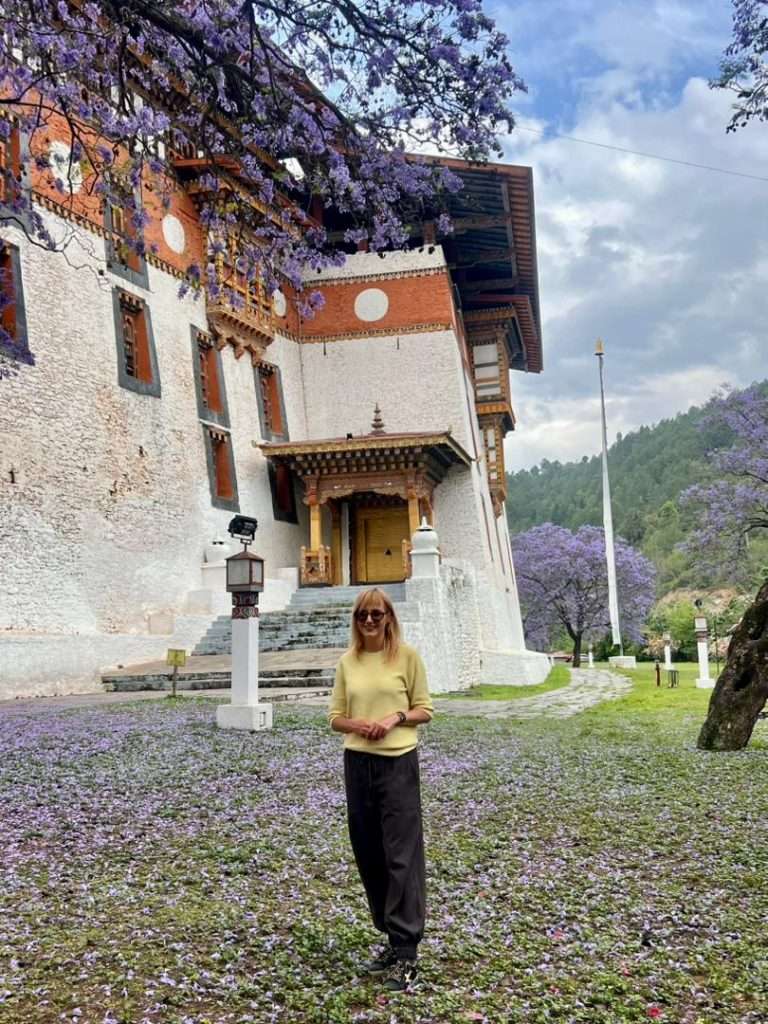

EXCELLENT Based on 155 reviews
 Posted on Tripadvisor
 Kornel P23 August 2026Superb experience in the land of the thunder dragon Absolutely amazing experience, our guide was extremely knowledgeable and had a superb ability to talk about all that he knew. We learned a lot about Bhutan and truly enjoyed every part of our 4 day stay it was quite extensive. Highly recommend to anybody looking to visit and understand Bhutan.Posted on Tripadvisor
 Kierthini N22 August 2026An Authentic, Meaningful Bhutan Experience Thank you, Omsha Travel, for making this journey so much more than just an itinerary. I’m was a solo female traveler from Malaysia and I stayed in Bhutan for 8 days. I had done my own research and revised the itinerary based on the places and experiences I wanted to cover. Mr. Nawang took that and made it happen while also adding in experiences I could have easily missed. That was the best part. He understood what I wanted from this trip and helped me experience and explore Bhutan more wholesomely, with so much thought and hospitality along the way. And then came Mr. Lhazin, quite possibly the best guide I could have asked for. This trip truly became a spiritual journey for me. We spoke about so many things; religion, beliefs, life and perspectives and it was refreshing to exchange opinions and have meaningful conversations. His knowledge of nature was mind blowing, and I genuinely learnt so much from him. Then there was Mr. Tashi, who drove me through all the “scenic” roads I kept requesting because I wanted to experience Bhutan in its rawest form. And he made it happen, while constantly making sure I was safe. These two made sure I ticked off my bucket list while keeping me safe, exactly what my family is always worried about. So, fam, that part was well taken care of! I came to Bhutan looking for an experience, but I’m leaving with stories, perspectives, knowledge and two people I’ll genuinely remember. Thank you, Omsha Travel, Mr. Nawang, Mr. Lhazin and Mr. Tashi, for making my journey through Bhutan so wholesome.Posted on Tripadvisor
 Rivet L22 August 2026A trip of a lifetime with the perfect team I had an amazing time with OMSHA Travel in Bhutan. Since the first email exchange I have felt very well taken care of, they were incredibly responsive and willing to accommodate each and every of my adjustment requests and travel plan changes. After arriving in Bhutan my lovely guide Sonam picked me up from the airport together with the driver Nawang. Sonam is very kind and knowledgeable, I had so many questions about the culture, every day life, food, Buddhism, and she always had an answer to satisfy my curiosity. As it was a private tour, they gave me the flexibility to adjust our route as we were going too! Nawang is a great driver and such a sweet person! The car was very comfortable and all the accommodation chosen for me beautiful and picturesque. People surrounding me were all so very nice, it really felt like making good friends while exploring this beautiful country. I'm definitely coming back some time in the future and I'm definitely recommending OMSHA to all my friends! Thank you Sonam and Nawang!Posted on Tripadvisor
 Tomasz P16 August 2026Mindful experience and more Great experience and exploring of Bhutan with lovely people. We had a tailor made offer for our near 4 day stay. Appreciate the flexibility and helpfulness in organization of our trip and the full package. Friendly and knowledgeable guide helped us to understand the country, culture and people. We enjoyed every moment of this fascinating trip.Posted on Tripadvisor
 Jorg H12 July 2026perfect days in Bhutan We were so lucky to have Sonam as our guide for our 8 day tour of Bhutan. Everything along the way was perfect and we had no difficulties at all. Sonam was friendly, funny and entertaining, but what really blew us away was her knowledge of the history of Bhutan and Buddhism and her ability to tell the stories and legends of the various characters in Buddhism that we encountered. He knowledge really helped to enhance our enjoyment of Bhutan as well as our other travels into Tibet and China. I also want to mention our driver Nawang. He was a very calm and careful driver and we appreciated his driving over some challenging roads. We never felt scared or nervous and he never lost his cool, or became frustrated with other drivers. Overall, our guide and driver team made our trip to Bhutan easy, educational, fun, interesting, safe and fantastic!! The tour itself was well thought out, customized according to our interests, competitively priced and communication with Ngawang (not sure about spelling) the owner was very timely and clear.Posted on Tripadvisor
 Rita D3 July 2026Excellent Price to Value Tour Fabulous Tour! We appreciated that OMSHA was responsive from inquiry to final booking. Price to value was excellent. We liked the selected itinerary and appreciated that we could make changes as needed. Our guides Sonam and Tashi were knowledgeable and professional and we had great conversations. It felt more like traveling with friends than with a tour. I would highly recommend OMSHA. You won't be disappointed!Posted on Tripadvisor
 Michael S16 June 2026Hassle free and flexible Communication was quick and clear from the start. Personable. Individualized itineraries but hassle free. Flexible. Tour guide was great at adjusting plans to better fit my style as the trip progressed. Undoubtedly the way to go. No regrets!Posted on Tripadvisor
 rayaro15 June 2026Marvelous Bhutan We had a group of friends and family on 7 days tour of Western Bhutan. Level of service provided by OMSHA travel was unmatched in many areas. From the pick up at the airport, Sonam and Ganesh kept our exploration of Bhutan flawless. Our requests to visit specific areas and activities were accommodated. We spent a night in a homestay in Gasa, visited hot springs, had a lovely riverside birthday picnic and attended Folklore Show that was a highlight of our trip. Nawang handled all communications and financial details thoroughly and transparently.Posted on Tripadvisor
 Wander340623001438 June 2026Amazing Bhutan We traveled to Bhutan in June 2026, and Omsha Travels made our holiday a truly wonderful experience. From the very beginning, the booking process was seamless and professional. The entire trip was planned to perfection, allowing us to relax and fully enjoy the beauty, culture, and unique environment of Bhutan. A special thanks to the owner for the warm hospitality and excellent arrangements. We are also grateful to our tour guide, Lhazin Dorji, whose knowledge and enthusiasm helped us gain a deeper understanding of Bhutan’s rich culture and way of life. He was really accommodating and helped fulfill our every wish. Our driver was equally wonderful, ensuring a safe, comfortable, and enjoyable journey. This holiday gave us unforgettable memories and a genuine glimpse into the amazing lifestyle and traditions of Bhutan. We are very happy clients and would highly recommend Omsha Travels to anyone planning a visit. We look forward to returning again in the future!Posted on Tripadvisor
 Anya B7 June 2026Unforgettable trip to Bhutan! A wonderful experience from start to finish! One of the most memorable trips we have taken. Sonam was knowledgeable, attentive & passionate about sharing Bhutan. We appreciated the warmth and kindness shown throughout the journey. We leave Bhutan with wonderful memories and a much greater appreciation for this remarkable country.
Bhutan Tour Packages:
Adventure
Festivals
Travel Tips:
Blog Posts:
- Bhutan Travel Guide 2027: Everything You Need to Know Before You Go
- Visit Druk Wangyel Festival in December: A Guide to Dochula Pass
- Nabji Lhakhang Drup 2026: An Offbeat Bhutan Festival in December
- Punakha Dromchoe 2027: Dates, Festival Guide & Bhutan Tour Packages
- Punakha Tshechu 2027: Dates, Festival Guide & Bhutan Tour Packages
Contact us:
Planning a trip to Bhutan in 2027? This complete Bhutan travel guide covers everything you need to know before visiting the Kingdom of Bhutan — from visas and the Sustainable Development Fee to the best time to visit, flights, itineraries, hotels, culture, festivals, packing tips, and how to plan a meaningful journey with a local Bhutanese tour operator.
Nestled in the eastern Himalayas between India and China, Bhutan is unlike almost anywhere else in the world. Its dramatic mountain landscapes, ancient monasteries, Buddhist traditions, colorful festivals, peaceful valleys, and distinctive culture make it one of Asia’s most rewarding destinations for travelers seeking something deeper than a conventional holiday.
At OMSHA Travel, we believe Bhutan is best experienced slowly — with time to meet people, explore villages, understand the culture, enjoy the landscape, and discover places beyond the usual tourist route.
We don’t service tourists, we serve travelers.
Whether you are planning your first visit, a private cultural journey, a Himalayan trek, a festival trip, a family holiday, or a luxury escape, this Bhutan Travel Guide 2027 will help you plan with confidence.
Bhutan at a Glance
Travel Information | Details |
Capital | Thimphu |
International Airport | Paro International Airport |
Currency | Bhutanese Ngultrum (Nu.) |
Time Zone | Bhutan Time (BTT), UTC +6 |
Main Language | Dzongkha; English is widely used in tourism |
Best-known attraction | Tiger’s Nest Monastery |
Typical first trip | 5–8 days |
Longer cultural journey | 10–15+ days |
Standard SDF | US$100 per adult per night |
Standard tourist visa fee | US$40 one-time |
Travel style | Private, customized travel is ideal |
International airport | Paro |
Visa and SDF rules can change, so travelers should always verify the latest requirements before departure. The official Bhutan tourism portal currently states that most international visitors require a visa before travel and that the standard SDF is US$100 per adult per night.
Why Visit Bhutan in 2027?
Bhutan is not simply a destination to tick off a bucket list.
It is a country where traditional architecture remains part of everyday life, monasteries and temples continue to function as living spiritual centers, and ancient festivals bring entire communities together.
A journey through Bhutan can combine:
- Himalayan mountain scenery
- Buddhist monasteries and temples
- Ancient dzongs
- Colorful tshechus and festivals
- Traditional Bhutanese villages
- Farmhouse experiences
- Local food and Bhutanese cooking
- Hiking and trekking
- Wildlife and bird watching
- Hot stone baths
- Traditional arts and crafts
- Archery
- Meditation and wellness
- Luxury Himalayan lodges
- Rural and off-the-beaten-path experiences
The greatest advantage of traveling to Bhutan is that you can combine several of these experiences within one private journey.
Is Bhutan Worth Visiting in 2027?
Absolutely — especially if you value meaningful, culturally immersive travel.
Bhutan may not be the right destination for someone looking for a conventional beach holiday, nightlife, or a fast-paced city break.
But if you want to:
- walk through ancient monasteries,
- hike through Himalayan landscapes,
- experience living Buddhist culture,
- meet local families,
- attend a traditional festival,
- explore quiet valleys,
- stay in beautiful boutique or luxury properties,
- and travel at a slower pace,
Bhutan can be an extraordinary experience.
The country’s tourism model also emphasizes sustainable development and the preservation of its cultural and natural heritage. The Sustainable Development Fee contributes to national development and sustainability initiatives.
Bhutan Visa Requirements for 2027
For most international visitors, a visa is required before traveling to Bhutan.
The official Bhutan tourism portal currently lists a one-time, non-refundable US$40 visa application fee. The standard Sustainable Development Fee is currently US$100 per adult per night, with concessionary rates for children.
What do you need to apply?
Generally, travelers need:
- A valid passport
- A recent digital passport photograph
- Travel dates
- Payment information
- Other information requested during the application
The official tourism portal states that visa applications can be submitted online and that a certified tour operator or hotel can also assist with the process.
How long does a Bhutan visa take?
The official FAQ states that a correctly completed visa application can take up to five working days to process.
At OMSHA Travel, we recommend starting the visa process well before your planned departure, particularly during festival seasons and periods of high demand.
What Is the Bhutan Sustainable Development Fee?
The Sustainable Development Fee (SDF) is one of the most important costs to understand when planning a Bhutan trip.
For most international visitors, the current standard rate is:
US$100 per adult per night
Children aged 6 to under 12 currently pay half the adult rate, while children under 6 are exempt. Indian nationals have a separate SDF structure.
The SDF is intended to contribute to Bhutan’s sustainable development, including areas such as:
- Environmental conservation
- Cultural preservation
- Education
- Healthcare
- Infrastructure
- Skills development
- Protection of Bhutan’s natural environment
The SDF is therefore an important part of understanding the cost of traveling to Bhutan.
Important: SDF policies and incentives can change. Always check the latest official information before booking.
How Much Does a Trip to Bhutan Cost in 2027?
There is no single price for a Bhutan holiday.
Your total cost depends on:
- Number of nights
- SDF
- Accommodation category
- International flights
- Domestic flights, if required
- Private transportation
- Guide services
- Activities
- Monument and entry fees
- Meals included in your itinerary
- Festival dates
- Special experiences
- Luxury hotel upgrades
For example, a private 7-day Bhutan journey will have a very different cost from a 14-day East-to-West cultural expedition or a luxury journey combining Bhutan’s finest lodges.
Instead of choosing a tour based solely on price, compare what is actually included.
A good Bhutan tour quote should clearly explain accommodation, transportation, guide services, meals, SDF, visa, activities, and exclusions.
How Many Days Do You Need in Bhutan?
This depends on how deeply you want to explore. There is no single answer to how many days you should spend in Bhutan. The ideal length of your trip depends on what you are looking for—whether your priority is experiencing Bhutan’s cultural highlights, adding adventure and outdoor activities, exploring more remote regions, or simply traveling at a slower pace.
As a general guide:
- 5–6 days – Cultural Highlights: Ideal for first-time visitors who want to experience the main highlights of Western Bhutan, including Paro, Thimphu, Punakha, important monasteries, dzongs, local culture, and the iconic Tiger’s Nest.
- 9–10 days – Culture & Adventure: A good choice if you want to combine Bhutan’s major cultural attractions with more outdoor experiences, hikes, nature, and time in the countryside.
- 15–16 days – Trekking & Adventure: Recommended for travelers who want to include a trekking experience along with cultural sightseeing, nature, and more time to explore Bhutan’s landscapes.
- 17–18 days – A Deeper Bhutan Experience: Ideal for those who want to travel more extensively across the country, covering Western, Central, and parts of Eastern Bhutan. This allows you to explore Bhutan at a slower pace and discover places that are often missed on shorter itineraries.
If you have limited time, 5–6 days can give you a wonderful introduction to Bhutan. However, if you have the flexibility, spending 9–10 days or longer allows you to experience more than just the main tourist highlights.
For travelers who want to go deeper into Bhutan—including Bumthang, Eastern Bhutan, trekking, remote villages, festivals, or other special-interest experiences—we recommend allowing 15–18 days or more, depending on your interests and preferred pace of travel.
Ultimately, the right number of days is not about seeing everything as quickly as possible. It is about choosing the amount of time that matches what you want to experience in Bhutan.
5–6 Days
Suitable for a short introduction to Western Bhutan.
A typical route could include:
Paro → Thimphu → Punakha → Paro
7–8 Days
Ideal for visitors who want a more relaxed experience.
You can include:
- Paro
- Thimphu
- Punakha
- Phobjikha/Gangtey
- Tiger’s Nest
- Cultural experiences & hiking
9–10 Days
A better choice if you want to combine Western Bhutan with:
- Bumthang
- Central Bhutan
- More hiking
- Rural experiences
- Farmhouse stays
- Additional cultural activities
12–15+ Days
Recommended for travelers who want to go beyond the classic route.
You can consider:
- Eastern Bhutan
- Sakteng
- More remote villages
- Longer hikes
- Festivals
- Cultural immersion
Our advice: Don’t try to see all of Bhutan in a week.
Bhutan rewards slow travel.
Best Time to Visit Bhutan in 2027
Bhutan is a year-round destination, but each season offers a different experience.
Spring: March to May
Spring is one of the most beautiful periods to visit Bhutan.
Expect:
- Rhododendrons
- Pleasant temperatures
- Green valleys
- Clear mountain views
- Cultural festivals
- Excellent hiking conditions
Spring is particularly attractive for travelers interested in nature, photography, culture, and festivals.
Summer: June to August
Summer brings the monsoon to Bhutan.
Rain can affect road conditions and mountain visibility, but it is also a quieter season.
Advantages include:
- Fewer tourists
- Lush green landscapes
- Fresh mountain scenery
- More flexibility with accommodation
If you don’t mind occasional rain, summer can offer a very different Bhutan experience.
Autumn: September to November
Autumn is one of the most popular seasons.
You can expect:
- Clear Himalayan views
- Comfortable temperatures
- Excellent trekking conditions
- Beautiful landscapes
- Major festivals
- Good photography opportunities
October and November are especially attractive for many travelers.
Winter: December to February
Winter is often overlooked.
However, winter can be wonderful for travelers who enjoy:
- Quiet roads
- Clear skies
- Crisp mountain views
- Fewer visitors
- Lower-altitude cultural travel
- Winter festivals
The valleys of Western Bhutan can remain very rewarding during winter.
Bhutan Festivals in 2027
If you want to experience Bhutan’s living culture, consider planning your trip around a festival.
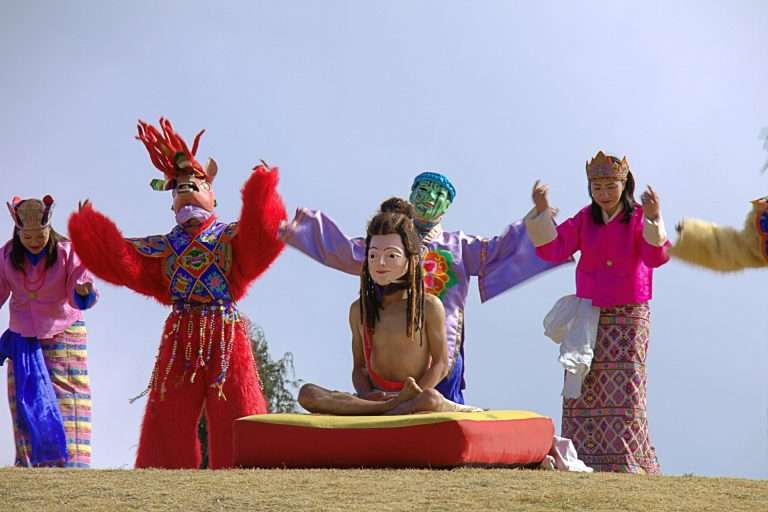
Bhutanese festivals, commonly known as Tshechus, feature masked dances, music, rituals, and gatherings of local communities.
Important festivals include:
- Punakha Tshechu (16th – 18th February)
- Paro Tshechu (18th – 22nd March-Thongdral on last day)
- Ura Yakchoe (18th – 22nd April)
- Wangdue Tshechu (8th – 10th October)
- Thimphu Tshechu (10th – 12th October)
- Gangtey Tshechu (13th – 15th October-Thongdral on last day)
- Jambay Lhakhang Drup (14th – 17th November)
- Black-Necked Crane Festival (11th November)
- Druk Wangyel Festival (13th December)
- Trongsa Tshechu (5th – 9th January 2028-Thongdral on last day)
- Nabji Lhakhang Drup (12th – 14th January 2028)
Festival dates follow the Bhutanese lunar calendar and can vary from year to year, so always check the latest official schedule before making your flight and hotel arrangements.
Tip: Festival periods can be much busier than ordinary travel periods. Book accommodation and flights early.
The Best Places to Visit in Bhutan
1. Paro
Paro is home to Bhutan’s only international airport and is usually the starting point for an international Bhutan journey.
Highlights include:
- Tiger’s Nest
- Paro Dzong
- Kyichu Lhakhang
- National Museum
- Traditional villages
- Local markets
2. Tiger’s Nest Monastery
No Bhutan travel guide would be complete without mentioning Taktsang Palphug Monastery, commonly called Tiger’s Nest.
The monastery clings dramatically to a cliff above the Paro Valley.
The hike usually takes several hours depending on your pace.
Rather than rushing through it, we recommend treating Tiger’s Nest as an experience.
Take your time.
Enjoy the forest.
Stop for photographs.
Listen to your guide.
And appreciate the spiritual significance of the place.
3. Thimphu
Bhutan’s capital combines modern life with traditional Bhutanese culture.
Highlights include:
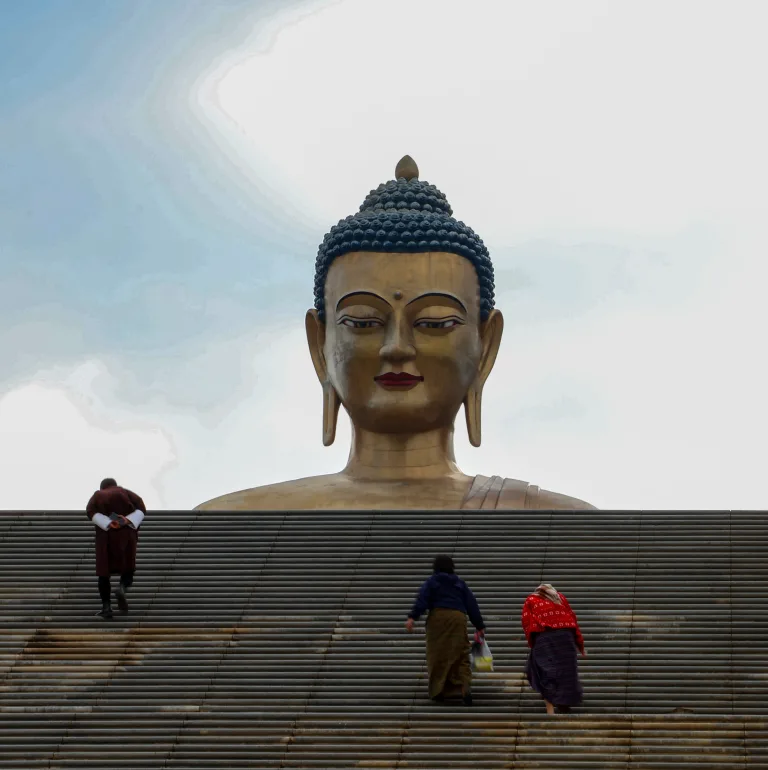
- Buddha Dordenma
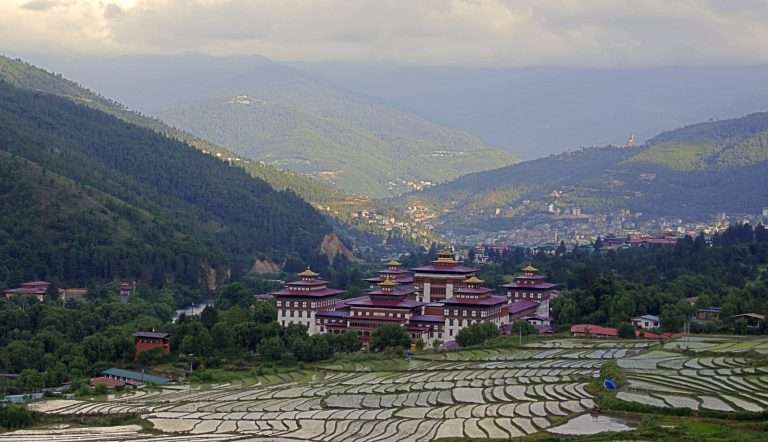
- Tashichho Dzong
- Memorial Chorten
- Folk Heritage Museum
- Traditional arts and crafts
- Weekend market
- Local restaurants
- Bhutanese archery
Thimphu is also a good place to experience contemporary Bhutanese life.
4. Punakha
Punakha is one of Bhutan’s most beautiful valleys.
The highlight is Punakha Dzong, dramatically situated at the meeting point of the Mo Chhu and Pho Chhu rivers.
Other experiences include:
- Khamsum Yulley Namgyal Chorten
- Punakha Valley
- Traditional villages
- River rafting
- Farmhouse experiences
- Punakha Tshechu
5. Phobjikha Valley
Phobjikha, also known as Gangtey, is famous for its broad glacial valley and peaceful landscape.
It is also one of Bhutan’s most important habitats for the endangered black-necked crane.
The valley is ideal for:
- Nature walks
- Photography
- Bird watching
- Village visits
- Gangtey Monastery
- Slow travel
6. Bumthang
For travelers interested in Bhutanese spirituality and history, Bumthang deserves more time.
The region includes several important valleys and sacred sites.
It is also an excellent destination for travelers who want to go beyond the classic Western Bhutan itinerary.
7. Haa Valley
Haa Valley is one of Western Bhutan’s quieter destinations.
It is ideal for travelers looking for:
- Mountain landscapes
- Traditional villages
- Hiking
- Local culture
- Less-visited places
The journey to Haa can be combined with Chele La and Kila Nunnery depending on the route and weather.
8. Eastern Bhutan
If you have more time, consider going east.
Eastern Bhutan offers a much deeper sense of rural Bhutan and includes destinations such as:
- Trashigang
- Trashiyangtse
- Mongar
- Lhuentse
- Sakteng
For travelers who have already visited Western Bhutan, an East–West journey can provide a completely different perspective.
Getting to Bhutan
Most international travelers arrive by air at Paro International Airport.
Bhutan’s international air connections include routes through regional hubs in South and Southeast Asia. Flight schedules change seasonally, so travelers should check the latest schedules before booking.
Common connecting gateways include:
- Bangkok
- Delhi
- Kathmandu
- Singapore
- Kolkata
- Dhaka
For some travelers, entering Bhutan overland from India is also an option through designated border points.
How to Travel Around Bhutan
Bhutan is a mountainous country, and distances that may look short on a map can take several hours to cover because of winding mountain roads, high passes, and changing road conditions. In Bhutan, the journey between destinations is very much part of the travel experience.
Can You Travel Around Bhutan Independently?
Traveling around Bhutan independently without a private vehicle is practically impossible if you want to explore the country comfortably and efficiently.
Public transportation is limited, particularly when traveling between valleys, villages, and remote cultural attractions. Taxis are available in the main towns, but they are not always readily available in rural areas, and hiring taxis for longer journeys or multiple days can cost considerably more than many travelers initially expect.
For this reason, traveling around Bhutan by private vehicle arranged through your tour operator is by far the most practical and comfortable option.
At OMSHA Travel, private journeys are organized with a licensed Bhutanese guide and private driver/vehicle, allowing travelers to experience Bhutan comfortably while maintaining flexibility.
Where to Stay in Bhutan
Bhutan offers a surprisingly diverse range of accommodation, from comfortable 3-star hotels and charming boutique properties to traditional farmhouses, homestays, and internationally recognized luxury resorts.
The right choice depends on your travel style, expectations, itinerary, and budget.
For many travelers, however, a well-managed 3-star hotel is already an excellent choice for a comfortable Bhutan holiday.
Depending on your itinerary, you can choose:
3-Star Hotels: Comfortable, Practical and Excellent Value
If you are looking for a comfortable stay without spending your travel budget on luxury accommodation, 3-star hotels are an excellent choice in Bhutan.
Good 3-star properties generally provide everything most travelers need for a comfortable journey, including:
- Private bathrooms
- Comfortable beds
- Hot and cold water
- Heating or room heating facilities where required
- Wi-Fi
- Television
- Restaurant or dining facilities
- Breakfast & Dinner
- Clean and well-maintained rooms
- Essential bathroom amenities
- Comfortable common areas
- Beautiful valley or mountain views at many properties
- Traditional Bhutanese architecture and design
Many travelers spend most of their days exploring Bhutan rather than staying inside their hotel. In this situation, a well-managed 3-star property can offer the right balance between comfort, cleanliness, convenience, and value.
In some destinations, hotels are also beautifully positioned overlooking valleys, mountains, forests, or traditional villages, making the accommodation itself part of your Bhutan experience.
At OMSHA Travel, we use DOT-certified 3-star and above accommodation and carefully consider location, cleanliness, service, and overall suitability when selecting hotels for our guests.
A good 3-star hotel does not mean compromising on comfort.
For travelers who prefer to spend their budget on experiences, private touring, cultural activities, and exploring more of Bhutan, 3-star accommodation is often the smartest choice.
4-Star Hotels and Boutique Hotels & Lodges
If accommodation is an important part of your travel experience and you are looking for more atmosphere, character, distinctive design, and beautiful locations, consider 4-star hotels and boutique properties.
Boutique hotels and lodges can offer a more intimate experience than conventional hotels.
Depending on the destination, you may find:
- Traditional Bhutanese architecture
- Beautiful valley or mountain views
- Stylish interiors
- Smaller and more personal settings
- Character-filled rooms
- Gardens and outdoor spaces
- Better access to nature
- Locally inspired dining
- More personalized service
These properties are particularly attractive for couples, photographers, honeymooners, and travelers who want their accommodation to become part of the Bhutan experience.
A boutique lodge overlooking a valley can be just as memorable as the sightseeing itself.
Farmhouses & Homestays: Experience Everyday Bhutan
For travelers who want to understand how Bhutanese people actually live, staying in a farmhouse or homestay can be one of the most meaningful experiences of a Bhutan journey.
Traditional Bhutanese farmhouses are often built using local materials and traditional architectural techniques. Many are located in rural villages surrounded by farmland, forests, mountains, and traditional houses.
A farmhouse stay gives you the opportunity to step away from the conventional hotel experience and experience a more personal side of Bhutan.
Depending on the property and location, you may have opportunities to:
- Meet a Bhutanese family
- Eat traditional home-cooked food
- Learn about local farming
- Participate in everyday household activities
- Experience traditional Bhutanese hospitality
- Try traditional butter tea or local beverages
- Enjoy a Bhutanese hot stone bath
- Walk through nearby villages
- Learn about local customs and traditions
- Spend time talking with your hosts
For travelers interested in cultural immersion rather than simply sightseeing, a farmhouse or homestay can provide a much deeper connection to Bhutan.
What to Expect from a Farmhouse Stay
It is important to understand that a farmhouse or homestay is very different from a conventional hotel. The rooms are generally traditional, simple, and basic, and facilities vary depending on the property and location.
In many rural farmhouses, the bathroom may not be attached to the bedroom and may be shared or located separately. Basic hot-water facilities and heating are generally available, particularly where needed because of the colder climate. However, shower facilities may not be available, as some traditional farmhouses use more basic washing facilities.
The purpose of a farmhouse stay is not luxury or modern hotel comfort. It is about experiencing Bhutanese rural life, traditional architecture, local food, family hospitality, and a slower way of living.
For this reason, we generally recommend one to two nights in a farmhouse or homestay. One to two nights is usually enough to experience the warmth of a Bhutanese family home and rural lifestyle while allowing the rest of your journey to be enjoyed in the comfort of a well-equipped hotel.
At OMSHA Travel, we select farmhouse and homestay experiences according to the traveler’s expectations and itinerary so that guests can enjoy an authentic experience while still having appropriate information about the facilities beforehand.
Luxury Hotels and Resorts in Bhutan
If you are looking for a high-end luxury Bhutan experience, the country offers a remarkable selection of internationally recognized luxury properties.
Luxury travelers can choose from exceptional hotels, lodges, and resorts associated with renowned names and distinctive Bhutanese hospitality.
These include destinations associated with:
- Amankora
- Six Senses Bhutan
- Pemako
- Gangtey Lodge
- Punakha River Lodge
- Dawa Hilltop
- COMO
- And other exceptional luxury properties across Bhutan
Luxury in Bhutan is not simply about an expensive room.
The most rewarding luxury journeys combine beautiful accommodation with privacy, space, exceptional service, nature, authentic experiences, and time to slow down.
A luxury itinerary might combine several different properties, allowing you to experience the character of different valleys while maintaining a high standard of accommodation.
For example, a carefully designed luxury journey could combine:
Paro → Punakha → Phobjikha → Paro
with luxury lodges and resorts selected according to your preferred style.
For couples, honeymooners, special celebrations, and travelers seeking privacy, this can transform a Bhutan trip into a truly memorable Himalayan escape.
What to Eat in Bhutan
Bhutanese cuisine is distinctive and often spicy.
You should try:
- Ema Datshi – chili and cheese
- Kewa Datshi – potatoes and cheese
- Shakam Paa – dried beef with radish
- Phaksha Paa – pork with chili
- Jasha Maru – Bhutanese-style minced chicken
- Red rice
- Suja – traditional butter tea
- Bhutanese momos
Don’t be surprised if your Bhutanese meal contains considerably more chili than you are accustomed to!
For visitors who prefer mild food, restaurants and hotels can usually adjust dishes to suit individual preferences.
What to Wear in Bhutan
Bhutan is culturally conservative, especially around religious sites.
When visiting:
- Dzongs
- Monasteries
- Temples
- Chortens
- Religious festivals
wear clothing that covers the shoulders and knees.
Comfortable walking shoes are essential because many cultural sites involve stairs, uneven paths, or short hikes.
Layered clothing is particularly useful because temperatures can change significantly between valleys and elevations.
What to Pack for Bhutan
Your packing list depends on the season and itinerary, but generally include:
- Comfortable walking shoes
- Warm layers
- Light rain jacket
- Sun protection
- Hat
- Sunglasses
- Personal medication
- Reusable water bottle
- Small daypack
- Power bank
- Camera
- Comfortable modest clothing
- Passport and travel documents
For trekking, additional equipment will be required.
If you’re visiting during winter or traveling to higher elevations, bring warmer clothing.
Is Bhutan Safe for Travelers?
Bhutan is generally regarded as a peaceful and welcoming destination.
However, travelers should remember that Bhutan is mountainous.
Road journeys can involve:
- Narrow mountain roads
- Sharp bends
- Steep terrain
- Changing weather
- Occasional road disruptions
This is one reason why having an experienced local guide and professional driver can make a significant difference.
Travel insurance is also recommended for international travel. Bhutan’s tourism authorities withdrew the mandatory travel-insurance requirement in 2024, but continue to recommend insurance as a precaution.
Do You Need a Guide in Bhutan?
For many international visitors, working with a certified local tour operator is the easiest way to organize a Bhutan journey.
A local operator can help with:
- Visa processing
- SDF arrangements
- Flights
- Hotels
- Transportation
- Licensed guides
- Monument visits
- Festival planning
- Trekking arrangements
- Special experiences
More importantly, a good local guide can help explain what you’re seeing.
A monastery becomes more meaningful when you understand its history.
A festival becomes more fascinating when you understand the symbolism behind the dances.
A village becomes more than a photograph when you have the opportunity to meet its people.
Why Travel with a Local Bhutanese Tour Operator?
Bhutan is best understood through local knowledge.
A local Bhutanese operator can help you go beyond the standard checklist.
At OMSHA Travel, we specialize in private and customized journeys throughout Bhutan.
We can design trips around:
- Culture
- Festivals
- Nature
- Hiking
- Trekking
- Photography
- Wellness
- Luxury
- Family travel
- Senior travelers
- Bird watching
- Fishing
- Rural experiences
- East–West exploration
Our philosophy is simple:
Meaningful journeys, not just vacations.
We are a small local Bhutanese travel company, which allows us to focus on personalized service rather than mass tourism.
How to Book a Bhutan Trip with OMSHA Travel
Planning your Bhutan journey with OMSHA Travel is straightforward.
Step 1: Tell Us About Your Trip
Send us:
- Your preferred travel dates
- Number of travelers
- Number of days
- Your interests
- Preferred accommodation level
- Any special requirements
Step 2: We Design Your Itinerary
We create a customized itinerary based on your interests, available time, travel pace, and budget.
Step 3: Finalize the Arrangements
Once your itinerary is confirmed, we assist with the necessary travel arrangements, including accommodation, transportation, guide services, and visa/SDF processing.
Step 4: Arrive in Bhutan
Your journey begins at Paro.
Our team welcomes you and takes care of the logistics while you focus on experiencing Bhutan.
Sample Bhutan Itinerary for First-Time Visitors
If you have around one week, a classic route could look like this:
Day 1: Arrive in Paro – Transfer to Thimphu
Day 2: Explore Thimphu
Day 3: Thimphu – Phobjikha via Dochula
Day 4: Phobjikha – Punakha Valley
Day 5: Punakha – Paro
Day 6: Tiger’s Nest hike
Day 7: Departure from Paro
However, we don’t believe every traveler should follow exactly the same itinerary.
A couple interested in culture may prefer more villages and monasteries.
A photographer may need more time at selected locations.
A family may want shorter walks and more flexible days.
A trekking enthusiast may want to spend much more time in the mountains.
That’s where a customized itinerary makes a difference.
Final Thoughts: Why Bhutan Should Be on Your 2027 Travel List
Bhutan is not a destination you simply visit.
It is a place you experience.
You may come for Tiger’s Nest, the Himalayan landscapes, Buddhist monasteries, or famous festivals.
But what you remember may be something much smaller:
A conversation with a farmer.
A cup of butter tea.
A quiet walk through a pine forest.
The sound of monks chanting.
A village celebration.
A meal prepared in a traditional farmhouse.
Or a guide sharing a story that changes how you see the place.
That is the Bhutan we want our guests to discover.
If you’re planning to visit Bhutan in 2027, start planning early — especially if you want to travel during a major festival or stay at sought-after hotels.
Plan Your Bhutan Journey with OMSHA Travel
OMSHA Travel – Your Local Bhutan Travel Expert
We specialize in private, customized Bhutan tours designed around your interests, travel style, and pace.
Whether you’re planning a short cultural trip, a family holiday, a Himalayan trek, a festival journey, an East–West adventure, or a luxury Bhutan escape, we’d be happy to design your itinerary.
Website: www.omshatravel.com
Email: omshatravel@gmail.com
WhatsApp: +975 77253545
Address: Zilukha, Near Drukgyal Twin Tower Hotel, Thimphu 11001, Bhutan
OMSHA Travel
Meaningful journeys, not just vacations.
Frequently Asked Questions About Bhutan Travel in 2027
How much is the Bhutan SDF in 2027?
The standard SDF currently listed by Bhutan’s official tourism portal is US$100 per adult per night, with concessionary rates for children. Because policies can change, verify the current rate before booking.
How much is the Bhutan visa?
The current standard visa application fee is US$40 per person, payable once and non-refundable.
How many days should I spend in Bhutan?
There is no single answer to how many days you should spend in Bhutan. The ideal length of your trip depends on what you are looking for—whether your priority is experiencing Bhutan’s cultural highlights, adding adventure and outdoor activities, exploring more remote regions, or simply traveling at a slower pace.
As a general guide:
- 5–6 days – Cultural Highlights
- 9–10 days – Culture & Adventure
- 15–16 days – Trekking & Adventure
- 17–18 days – A Deeper Bhutan Experience
Ultimately, the right number of days is not about seeing everything as quickly as possible.
What is the best month to visit Bhutan?
Spring and autumn are particularly popular, but Bhutan can be visited throughout the year. The best month depends on whether your priority is festivals, trekking, photography, wildlife, lower visitor numbers, or winter travel.
Can I customize my Bhutan itinerary?
Yes. A private customized itinerary is one of the best ways to experience Bhutan because your route can be designed around your interests, pace, travel dates, and preferred accommodation.
Do I need travel insurance for Bhutan?
Travel insurance is recommended, although Bhutan withdrew the mandatory travel-insurance requirement for visa processing in 2024.
Can I visit Bhutan during a festival?
Yes, and festival travel can be one of the most rewarding ways to experience Bhutan. However, accommodation and flights can become limited during major festivals, so advance planning is strongly recommended.