Bhutan Tour Packages:
Adventure
Festivals
Travel Tips:
Blog Posts:
- Traveling from Israel to Bhutan in 2027: Flights, Visa & Travel Guide
- When Is the Best Time to Visit Bhutan in 2027?
- Bhutan SDF 2027: Sustainable Development Fee Explained
- How to Get to Bhutan in 2027: Best Flight Routes via Kathmandu, Delhi, Bangkok & More
- Inside Amankora Bhutan: A Private Journey Through the Himalayas
Contact us:
If you’ve already explored Europe, Japan, New Zealand, or Iceland and you’re searching for a destination that still feels truly untouched, Bhutan deserves a place at the very top of your travel bucket list.
Nestled in the eastern Himalayas between India and China, Bhutan is unlike anywhere else in the world. Instead of measuring success through GDP alone, Bhutan is famous for its philosophy of Gross National Happiness. Ancient monasteries cling to dramatic cliffs, prayer flags flutter across mountain passes, and centuries-old traditions remain a part of everyday life.
As a Bhutanese guide, I’ve had the privilege of welcoming visitors from across the United States. One comment I hear repeatedly is:
“Bhutan exceeded every expectation we had.”
Whether you’re a couple celebrating a special anniversary, a solo traveler seeking meaningful experiences, or a cultural explorer looking beyond ordinary vacations, Bhutan offers an unforgettable journey.
Why Americans Are Choosing Bhutan
Travel trends have changed dramatically over the past few years. More American travelers are prioritizing authentic experiences over crowded tourist hotspots.
Bhutan delivers exactly that.
Unlike destinations overwhelmed by mass tourism, Bhutan limits visitor numbers through its Sustainable Development Fee (SDF). While some travelers initially hesitate because of this policy, they quickly realize the benefits once they arrive.
You’ll experience:
- Peaceful temples without large crowds
- Clean mountain landscapes
- Excellent local hospitality
- Preserved culture and traditions
- Authentic village life
- Responsible, sustainable tourism
Rather than feeling like another tourist, you’ll feel like a welcomed guest.
A Country That Values Happiness Over Consumerism
One of Bhutan’s most fascinating characteristics is its unique development philosophy.
Instead of focusing solely on economic growth, Bhutan introduced the concept of Gross National Happiness, emphasizing:
- Environmental conservation
- Cultural preservation
- Good governance
- Sustainable development
You’ll notice this philosophy everywhere—from carefully protected forests to traditional architecture and community festivals.
It isn’t something created for tourists. It’s simply the Bhutanese way of life.
Experience Living Buddhist Culture
Many destinations have historic temples.
Bhutan has living monasteries.
Monks still perform daily prayers. Villagers continue centuries-old traditions. Festivals are celebrated exactly as they have been for generations.
Some unforgettable cultural highlights include:
Tiger’s Nest Monastery (Paro Taktsang)
No visit to Bhutan is complete without hiking to the country’s most iconic monastery.
Perched dramatically on a cliff over 900 meters above the valley floor, Tiger’s Nest is one of the world’s most spectacular religious sites.
Reaching it is both a physical achievement and a spiritual experience.
Ancient Dzongs
Bhutan’s magnificent fortress-monasteries remain active government offices and monastic centers.
Notable examples include:
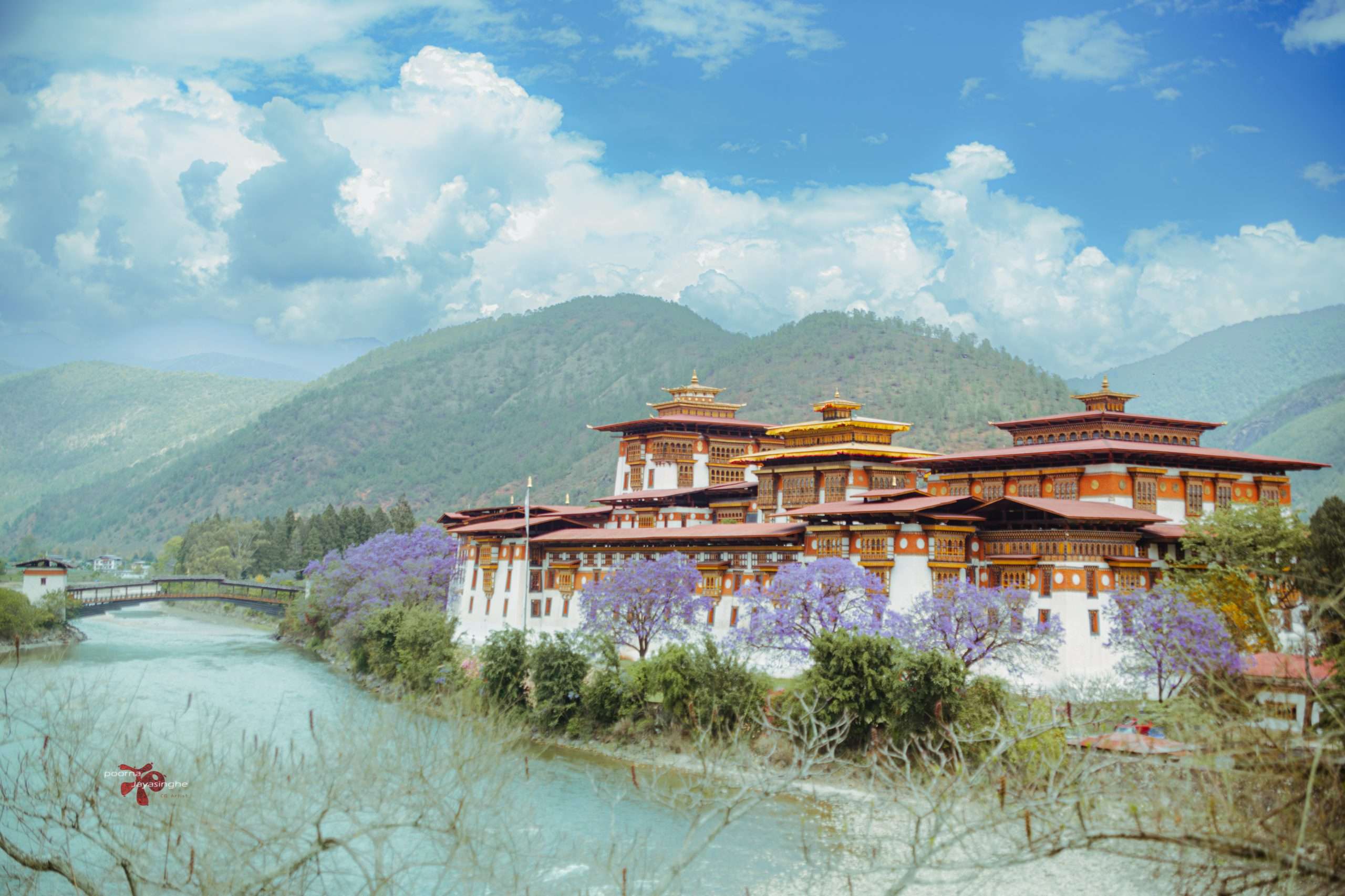
- Punakha Dzong
- Paro Rinpung Dzong
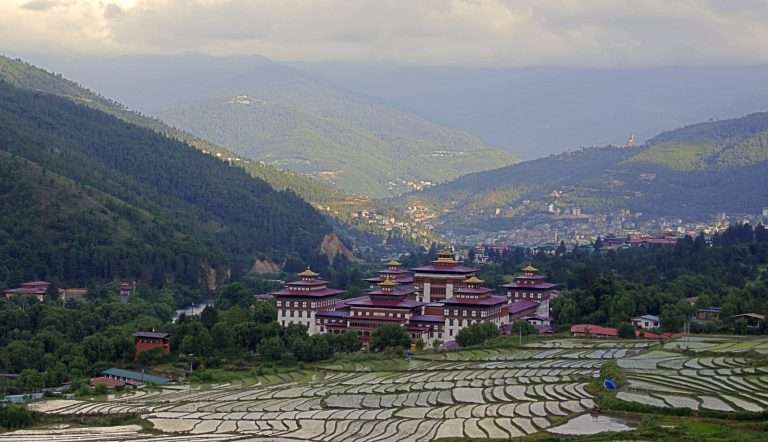
- Tashichho Dzong in Thimphu
Each tells stories of Bhutan’s history while continuing to serve the nation today.
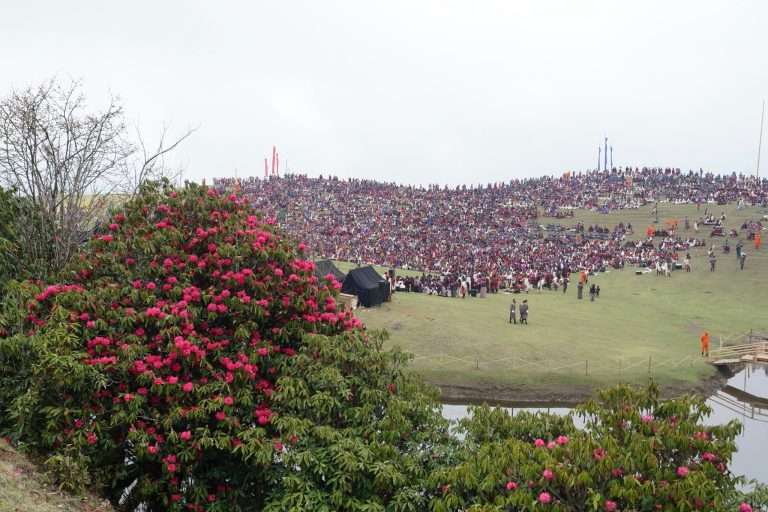
Traditional Festivals (Tshechus)
If your visit coincides with a festival, you’re in for something truly special.
Locals dress in their finest traditional clothing while monks perform sacred masked dances believed to bring blessings and remove negative karma.
Rather than performances for tourists, these festivals are deeply meaningful religious celebrations.
If you’re planning your trip around Bhutan’s cultural calendar, be sure to check our Bhutan Festival Dates 2027 for the latest festival schedule. Popular celebrations such as Paro Tshechu and Thimphu Tshechu attract visitors from around the world, so it’s best to plan and book early.
Nature That Feels Untouched
Over 70% of Bhutan remains covered by forests.
The country is also carbon-negative, meaning it absorbs more carbon than it produces.
Driving through Bhutan often feels like entering another world.
You’ll pass:
- Snow-capped Himalayan peaks
- Rhododendron forests
- Alpine meadows
- Crystal-clear rivers
- Traditional villages
- Rice terraces
- Prayer wheels beside mountain streams
Unlike many destinations, you’ll rarely encounter traffic or overcrowded viewpoints.
Local Experiences You Won’t Find Anywhere Else
The best memories often come from experiences that aren’t listed in guidebooks.
As a local guide, these are some of the moments visitors remember most:
Enjoying a Traditional Hot Stone Bath
Large river stones are heated in a fire before being placed into wooden tubs filled with fresh mountain water.
Many Bhutanese believe the bath helps relieve muscle pain and improve circulation.
After hiking Tiger’s Nest, it’s the perfect way to relax.
Visiting a Bhutanese Farmhouse
Instead of simply taking photographs, you’ll sit with local families, enjoy homemade meals, and learn about daily life in rural Bhutan.
Fresh red rice, ema datshi (Bhutan’s famous chili and cheese dish), buckwheat pancakes, and locally grown vegetables offer an authentic taste of the country.
Archery Matches
Archery is Bhutan’s national sport.
Unlike Olympic competitions, traditional matches are lively social events featuring singing, dancing, friendly teasing, and incredible long-distance shooting.
Watching a village tournament is an experience few visitors expect—but many absolutely love.
Why Bhutan Appeals to American Travelers
American visitors often appreciate Bhutan because it offers something increasingly difficult to find:
- Genuine cultural authenticity
- Slow travel
- Luxury without excess
- Safe destinations for solo travelers
- Excellent hospitality
- Opportunities for reflection and mindfulness
Couples enjoy romantic mountain lodges and boutique resorts.
Photographers love dramatic Himalayan scenery.
Adventure travelers enjoy hiking, rafting, mountain biking, and trekking.
Luxury travelers appreciate personalized private tours with exceptional service.
Best Time to Visit Bhutan
Bhutan is a year-round destination, but each season offers something different.
Spring (March–May)
One of the most popular seasons.
Expect:
- Blooming rhododendrons
- Pleasant temperatures
- Clear mountain views
- Major cultural festivals
Perfect for hiking and photography.
Autumn (September–November)
Often considered the best overall season.
Highlights include:
- Crisp skies
- Excellent Himalayan visibility
- Comfortable temperatures
- Vibrant festivals
- Ideal trekking conditions
Winter (December–February)
Winter offers:
- Fewer tourists
- Snow on higher mountains
- Sunny days in western Bhutan
- Excellent photography opportunities
Black-necked cranes can also be seen in Phobjikha Valley during this season.
Summer (June–August)
Although this is the monsoon season, mornings are often clear and valleys become incredibly lush and green.
Travel remains enjoyable, especially for travelers seeking fewer crowds.
Practical Travel Tips for Americans
Visa Requirements
American citizens require a Bhutan visa.
The visa is processed through a licensed Bhutanese tour operator before arrival, making the process straightforward.
Sustainable Development Fee (SDF)
Bhutan charges a Sustainable Development Fee, which helps fund healthcare, education, environmental conservation, and infrastructure while supporting sustainable tourism.
Flights
There are currently no direct flights from the United States.
Most American travelers connect through:
- Delhi
- Bangkok
- Singapore
- Kathmandu
Paro International Airport offers one of the world’s most scenic landings.
Currency
The Bhutanese Ngultrum (BTN) is the local currency.
US Dollars are widely accepted in many hotels and tourist establishments, while credit cards and digital payments are increasingly available in major towns.
Internet
Wi-Fi is available in most hotels.
Mobile SIM cards with data packages are inexpensive and easy to purchase after arrival.
Suggested 8-Day Bhutan Itinerary
Day 1 – Arrive in Paro
- Airport arrival
- Visit Kyichu Lhakhang
- Explore Paro town
Day 2 – Thimphu
- Buddha Dordenma
- Memorial Chorten
- Traditional Crafts Bazaar
- Tashichho Dzong
Day 3 – Punakha
- Dochula Pass
- Chimi Lhakhang hike
- Punakha Dzong
Day 4 – Punakha Valley
- Suspension Bridge
- River rafting (optional)
- Farmhouse lunch
Day 5 – Phobjikha Valley
- Gangtey Monastery
- Nature Trail
- Village walk
Day 6 – Return to Paro
- Scenic drive
- Traditional hot stone bath
- Leisure evening
Day 7 – Tiger’s Nest Hike
- Full-day hike to Taktsang Monastery
- Farewell dinner
Day 8 – Departure
Transfer to Paro International Airport.
If you’d like to customize this itinerary to include festivals, luxury accommodations, trekking, or off-the-beaten-path destinations, explore our Bhutan Tour Packages. Every itinerary can be tailored to match your travel style and interests.
Insider Tips from a Bhutanese Guide
Travel Slowly
Bhutan isn’t a destination to rush through.
Spending two nights in each location allows you to experience local life rather than simply checking attractions off a list.
Stay in Boutique Lodges
Family-owned boutique hotels often provide warmer hospitality and a stronger connection to Bhutanese culture than large international chains.
Wake Up Early
Mountain mornings are magical.
Sunrise often brings crystal-clear Himalayan views before afternoon clouds begin to build.
Attend a Local Festival If Possible
Planning your trip around a Tshechu offers one of Bhutan’s most memorable cultural experiences.
Watching locals celebrate alongside monks creates unforgettable memories.
Try Local Cuisine
Don’t leave without tasting:
- Ema Datshi
- Red Rice
- Buckwheat Noodles
- Hoentay Dumplings
- Suja (Butter Tea)
These dishes reveal another side of Bhutan’s rich cultural heritage.
Why You Should Start Planning Your Bhutan Travel for 2027
Bhutan remains one of the world’s most exclusive destinations, and accommodations—especially luxury lodges and boutique hotels—often book well in advance during spring and autumn.
If you’re hoping to experience Bhutan’s famous festivals, trek through the Himalayas, or enjoy a customized private journey, planning your Bhutan travel in 2027 early gives you the best choice of dates, flights, guides, and hotels.
Early planning also allows time to create a personalized itinerary that matches your interests, whether that’s photography, hiking, wellness, birdwatching, luxury travel, or immersive cultural experiences.
Discover the Real Bhutan
Bhutan isn’t just another country to visit—it’s a place that changes the way you think about travel.
From ancient monasteries and breathtaking Himalayan landscapes to warm local hospitality and deeply rooted traditions, every journey through Bhutan offers meaningful experiences that stay with you long after you’ve returned home.
If you’re ready to experience Bhutan beyond the guidebooks, consider booking with a trusted local Bhutanese tour operator like us OMSHA Travel. A customized private tour ensures you experience the country’s culture, nature, and hidden gems at your own pace, with local insights that only a resident guide can provide.
Your unforgettable Bhutan adventure could be the journey you’ll talk about for years to come.