
EXCELLENT Based on 155 reviews
 Posted on Tripadvisor
 Kornel P23 August 2026Superb experience in the land of the thunder dragon Absolutely amazing experience, our guide was extremely knowledgeable and had a superb ability to talk about all that he knew. We learned a lot about Bhutan and truly enjoyed every part of our 4 day stay it was quite extensive. Highly recommend to anybody looking to visit and understand Bhutan.Posted on Tripadvisor
 Kierthini N22 August 2026An Authentic, Meaningful Bhutan Experience Thank you, Omsha Travel, for making this journey so much more than just an itinerary. I’m was a solo female traveler from Malaysia and I stayed in Bhutan for 8 days. I had done my own research and revised the itinerary based on the places and experiences I wanted to cover. Mr. Nawang took that and made it happen while also adding in experiences I could have easily missed. That was the best part. He understood what I wanted from this trip and helped me experience and explore Bhutan more wholesomely, with so much thought and hospitality along the way. And then came Mr. Lhazin, quite possibly the best guide I could have asked for. This trip truly became a spiritual journey for me. We spoke about so many things; religion, beliefs, life and perspectives and it was refreshing to exchange opinions and have meaningful conversations. His knowledge of nature was mind blowing, and I genuinely learnt so much from him. Then there was Mr. Tashi, who drove me through all the “scenic” roads I kept requesting because I wanted to experience Bhutan in its rawest form. And he made it happen, while constantly making sure I was safe. These two made sure I ticked off my bucket list while keeping me safe, exactly what my family is always worried about. So, fam, that part was well taken care of! I came to Bhutan looking for an experience, but I’m leaving with stories, perspectives, knowledge and two people I’ll genuinely remember. Thank you, Omsha Travel, Mr. Nawang, Mr. Lhazin and Mr. Tashi, for making my journey through Bhutan so wholesome.Posted on Tripadvisor
 Rivet L22 August 2026A trip of a lifetime with the perfect team I had an amazing time with OMSHA Travel in Bhutan. Since the first email exchange I have felt very well taken care of, they were incredibly responsive and willing to accommodate each and every of my adjustment requests and travel plan changes. After arriving in Bhutan my lovely guide Sonam picked me up from the airport together with the driver Nawang. Sonam is very kind and knowledgeable, I had so many questions about the culture, every day life, food, Buddhism, and she always had an answer to satisfy my curiosity. As it was a private tour, they gave me the flexibility to adjust our route as we were going too! Nawang is a great driver and such a sweet person! The car was very comfortable and all the accommodation chosen for me beautiful and picturesque. People surrounding me were all so very nice, it really felt like making good friends while exploring this beautiful country. I'm definitely coming back some time in the future and I'm definitely recommending OMSHA to all my friends! Thank you Sonam and Nawang!Posted on Tripadvisor
 Tomasz P16 August 2026Mindful experience and more Great experience and exploring of Bhutan with lovely people. We had a tailor made offer for our near 4 day stay. Appreciate the flexibility and helpfulness in organization of our trip and the full package. Friendly and knowledgeable guide helped us to understand the country, culture and people. We enjoyed every moment of this fascinating trip.Posted on Tripadvisor
 Jorg H12 July 2026perfect days in Bhutan We were so lucky to have Sonam as our guide for our 8 day tour of Bhutan. Everything along the way was perfect and we had no difficulties at all. Sonam was friendly, funny and entertaining, but what really blew us away was her knowledge of the history of Bhutan and Buddhism and her ability to tell the stories and legends of the various characters in Buddhism that we encountered. He knowledge really helped to enhance our enjoyment of Bhutan as well as our other travels into Tibet and China. I also want to mention our driver Nawang. He was a very calm and careful driver and we appreciated his driving over some challenging roads. We never felt scared or nervous and he never lost his cool, or became frustrated with other drivers. Overall, our guide and driver team made our trip to Bhutan easy, educational, fun, interesting, safe and fantastic!! The tour itself was well thought out, customized according to our interests, competitively priced and communication with Ngawang (not sure about spelling) the owner was very timely and clear.Posted on Tripadvisor
 Rita D3 July 2026Excellent Price to Value Tour Fabulous Tour! We appreciated that OMSHA was responsive from inquiry to final booking. Price to value was excellent. We liked the selected itinerary and appreciated that we could make changes as needed. Our guides Sonam and Tashi were knowledgeable and professional and we had great conversations. It felt more like traveling with friends than with a tour. I would highly recommend OMSHA. You won't be disappointed!Posted on Tripadvisor
 Michael S16 June 2026Hassle free and flexible Communication was quick and clear from the start. Personable. Individualized itineraries but hassle free. Flexible. Tour guide was great at adjusting plans to better fit my style as the trip progressed. Undoubtedly the way to go. No regrets!Posted on Tripadvisor
 rayaro15 June 2026Marvelous Bhutan We had a group of friends and family on 7 days tour of Western Bhutan. Level of service provided by OMSHA travel was unmatched in many areas. From the pick up at the airport, Sonam and Ganesh kept our exploration of Bhutan flawless. Our requests to visit specific areas and activities were accommodated. We spent a night in a homestay in Gasa, visited hot springs, had a lovely riverside birthday picnic and attended Folklore Show that was a highlight of our trip. Nawang handled all communications and financial details thoroughly and transparently.Posted on Tripadvisor
 Wander340623001438 June 2026Amazing Bhutan We traveled to Bhutan in June 2026, and Omsha Travels made our holiday a truly wonderful experience. From the very beginning, the booking process was seamless and professional. The entire trip was planned to perfection, allowing us to relax and fully enjoy the beauty, culture, and unique environment of Bhutan. A special thanks to the owner for the warm hospitality and excellent arrangements. We are also grateful to our tour guide, Lhazin Dorji, whose knowledge and enthusiasm helped us gain a deeper understanding of Bhutan’s rich culture and way of life. He was really accommodating and helped fulfill our every wish. Our driver was equally wonderful, ensuring a safe, comfortable, and enjoyable journey. This holiday gave us unforgettable memories and a genuine glimpse into the amazing lifestyle and traditions of Bhutan. We are very happy clients and would highly recommend Omsha Travels to anyone planning a visit. We look forward to returning again in the future!Posted on Tripadvisor
 Anya B7 June 2026Unforgettable trip to Bhutan! A wonderful experience from start to finish! One of the most memorable trips we have taken. Sonam was knowledgeable, attentive & passionate about sharing Bhutan. We appreciated the warmth and kindness shown throughout the journey. We leave Bhutan with wonderful memories and a much greater appreciation for this remarkable country.
Bhutan Tour Packages:
Adventure
Festivals
Travel Tips:
Blog Posts:
- How to Get to Bhutan in 2027: Best Flight Routes via Kathmandu, Delhi, Bangkok & More
- Inside Amankora Bhutan: A Private Journey Through the Himalayas
- Planning to Visit Bhutan for Festivals in 2027? Best Festivals, Dates & Planning Guide
- Bhutan Travel Guide 2027: Everything You Need to Know Before You Go
- Visit Druk Wangyel Festival in December: A Guide to Dochula Pass
Contact us:
Facts You Must Know About Bhutan: A Complete Guide for First-Time Visitors
Bhutan is unlike any other destination in the world. Nestled in the Eastern Himalayas, this small Buddhist kingdom is famous for its breathtaking mountain landscapes, vibrant traditions, environmental leadership, and unique approach to measuring national success through Gross National Happiness (GNH) rather than Gross Domestic Product (GDP).
If you’re planning a trip to Bhutan or simply curious about this fascinating country, here are the essential facts you should know before you visit.
- Geography and Location
Bhutan is a small, landlocked country located in the Eastern Himalayas between India and China (Tibet).
Quick Facts
- Official Name: Kingdom of Bhutan
- Capital: Thimphu
- Area: Approximately 38,394 square kilometers
- Population: Around 800,000
- Highest Peak: Gangkhar Puensum (7,570 meters), the world’s highest unclimbed mountain
- Time Zone: Bhutan Time (GMT +6)
Despite its small size, Bhutan offers an incredible diversity of landscapes—from subtropical forests in the south to snow-covered Himalayan peaks in the north.
2. Bhutan is the Land of Gross National Happiness
Perhaps Bhutan’s most famous contribution to the world is the concept of Gross National Happiness (GNH).
Instead of measuring success solely by economic growth, Bhutan prioritizes the happiness and well-being of its people.
The four pillars of GNH include:
- Sustainable development
- Environmental conservation
- Preservation of culture
- Good governance
This philosophy influences everything from education and healthcare to tourism and environmental policies.
3. Culture and Religion
Bhutan’s culture remains one of the best-preserved in Asia.
The majority of Bhutanese people practice Vajrayana Buddhism, which shapes daily life, festivals, architecture, and customs.
Visitors will notice:
- Prayer flags fluttering across mountain passes
- Prayer wheels in villages
- Ancient monasteries perched on cliffs
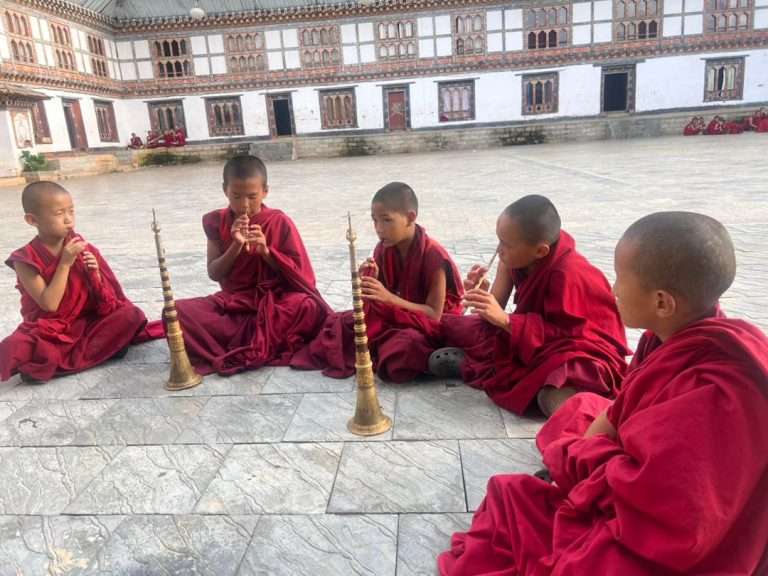
- Monks playing an active role in communities
Hinduism is also practiced, mainly in southern Bhutan.
Respect for religious sites is deeply valued, and visitors should dress modestly when entering temples and monasteries.
4. Language and Communication
The national language is Dzongkha.
However, English is widely spoken, especially in:
- Schools
- Hotels
- Restaurants
- Tourist areas
- Government offices
Most visitors find communication easy throughout the country.
5. Traditional Dress Code: Gho and Kira
One of the most distinctive aspects of Bhutanese culture is its traditional national dress. Wearing traditional attire is an important symbol of national identity and cultural pride. In government offices, schools, monasteries, dzongs, and during official ceremonies, Bhutanese citizens are expected to wear their national dress.
Gho – The Traditional Dress for Men
The Gho is a knee-length robe worn by Bhutanese men. It is tied at the waist with a woven belt known as a Kera, creating a large pouch in the front that is traditionally used to carry everyday items such as wallets, mobile phones, or documents.
The outfit is completed with:
- Knee-high socks
- Traditional leather shoes
- A white cuff (known as Tego) folded neatly at the wrists
- A ceremonial scarf called a Kabney, worn during formal occasions, with different colors representing different ranks and positions.
The Gho is both practical and elegant, perfectly suited to Bhutan’s mountainous climate.
Kira – The Traditional Dress for Women
The Kira is the traditional ankle-length dress worn by Bhutanese women. It consists of a long rectangular piece of handwoven fabric wrapped around the body and fastened at the shoulders with decorative silver clasps known as Koma.
The Kira is paired with:
- A long-sleeved blouse called a Wonju
- A short jacket known as a Toego
- Traditional jewelry, often made from silver, turquoise, or coral
- Comfortable traditional shoes
Bhutanese textiles are renowned for their intricate weaving techniques, vibrant colors, and symbolic patterns, making the Kira one of the country’s most beautiful cultural expressions.
6. Bhutanese Architecture
Bhutan has one of the most distinctive architectural styles in the world.
Traditional buildings feature:
- Whitewashed walls
- Intricate wooden windows
- Hand-painted motifs
- Sloping roofs
- Colorful Buddhist symbols
Interestingly, Bhutan has strict building regulations requiring modern structures to follow traditional architectural designs, helping preserve the country’s unique identity.
Some of the finest examples include:
- Punakha Dzong
- Paro Rinpung Dzong
- Tashichho Dzong
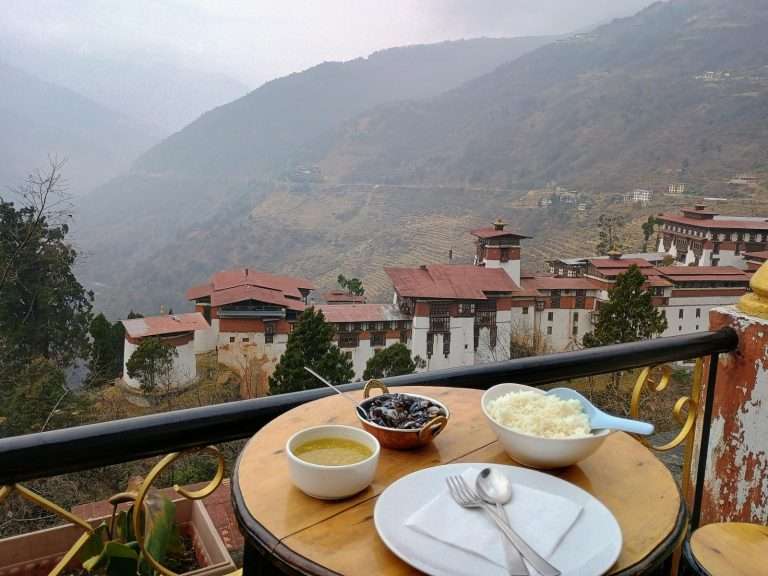
- Trongsa Dzong
7. Environmental Conservation
Bhutan is considered one of the world’s leading environmental success stories.
Some remarkable environmental facts include:
- Over 70% of Bhutan is covered by forests.
- The Constitution requires at least 60% forest cover forever.
- Bhutan is one of the few carbon-negative countries in the world.
- More than half of the country is protected as national parks, wildlife sanctuaries, and biological corridors.
The country is home to rare wildlife including:
- Snow leopards
- Bengal tigers
- Red pandas
- Himalayan black bears
- Black-necked cranes
8. Tourism in Bhutan
Bhutan follows a “High Value, Low Volume” tourism policy.
Rather than mass tourism, the country focuses on sustainable travel that benefits local communities while protecting culture and nature.
International visitors are generally required to:
- Obtain a Bhutan visa before arrival
- Pay the Sustainable Development Fee (SDF)
- Book through a licensed Bhutanese tour operator or international travel partner
This approach helps preserve Bhutan’s unique heritage while ensuring a high-quality travel experience.
Popular destinations include:
- Paro
- Thimphu
- Punakha
- Phobjikha Valley
- Bumthang
- Haa Valley
9. Unique Bhutanese Beliefs and Symbols
Bhutan is filled with fascinating traditions and spiritual beliefs.
Some unique symbols include:
Prayer Flags
Prayer flags are believed to spread blessings, compassion, and peace with the wind.
Prayer Wheels
Spinning prayer wheels is believed to generate merit and positive karma.
Mani Walls
Stone walls carved with Buddhist prayers are found throughout the country.
Tiger’s Nest Monastery
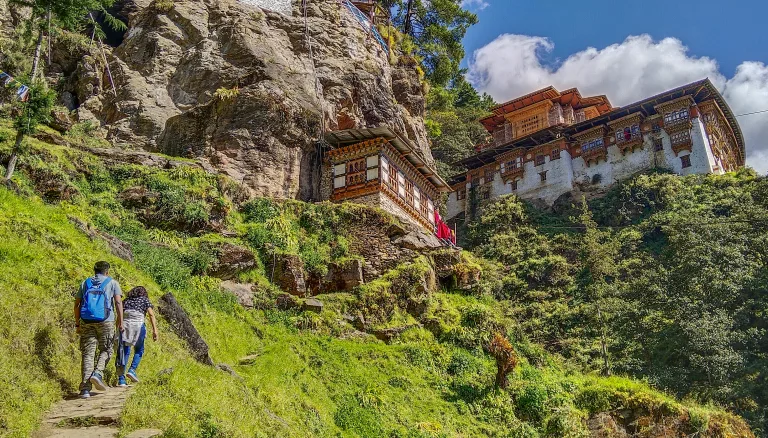
Paro Taktsang, also known as Tiger’s Nest Monastery, is Bhutan’s most iconic landmark. According to legend, Guru Rinpoche flew to the cliff on the back of a tigress and meditated there in the 8th century.
Phallus Symbols
In many villages, especially around Punakha, colorful phallus paintings can be seen on houses. These symbolize protection from evil spirits and are associated with the teachings of the revered saint Drukpa Kunley, known as the “Divine Madman.”
10. Food and Cuisine
Bhutanese cuisine is known for its bold flavors and generous use of chilies.
Popular dishes include:
Ema Datshi
The national dish made with chilies and local cheese.
Kewa Datshi
Potatoes cooked in cheese sauce.
Shamu Datshi
Mushrooms with cheese.
Phaksha Paa
Pork cooked with red chilies.
Jasha Maroo
Spicy minced chicken stew.
Red Rice
A staple served with most meals.
Visitors can also enjoy:
- Butter tea (Suja)
- Ara (traditional local spirit)
- Fresh mountain vegetables
- Buckwheat noodles
- Traditional dumplings
11. Royal Family and Governance
Bhutan is a constitutional monarchy.
The country is led by its beloved monarch, Jigme Khesar Namgyel Wangchuck, who became king in 2006.
Bhutan adopted democracy in 2008 while maintaining its monarchy.
Today, the country has:
- A constitutional monarchy
- Democratic elections
- A Prime Minister elected by the people
- Independent judiciary
The Royal Family is deeply respected and admired throughout Bhutan.
- Education and Healthcare
Bhutan provides free education and healthcare to its citizens.
Education has expanded significantly over recent decades, with English used as the primary medium of instruction in schools.
Healthcare services include:
- Free public hospitals
- Primary healthcare centers
- Vaccination programs
- Traditional Bhutanese medicine alongside modern healthcare
The government continues investing in both sectors to improve quality of life.
13. Bhutan’s Isolation and Openness
For centuries, Bhutan remained relatively isolated from the outside world.
Television and the internet were introduced only in 1999.
Today, Bhutan welcomes international visitors while carefully managing modernization to preserve its culture, traditions, and environment.
This balance between tradition and progress is one of the country’s defining characteristics.
14. Festivals and Celebrations
Festivals, known as Tshechus, are among Bhutan’s most spectacular cultural events.
Held throughout the year, they celebrate the teachings of Guru Rinpoche and bring communities together.
Highlights include:
- Mask dances performed by monks and lay dancers
- Traditional music
- Colorful silk costumes
- Blessings for attendees
- Community gatherings and family reunions
Popular festivals include:
- Paro Tshechu
- Thimphu Tshechu
- Punakha Drubchen
- Jambay Lhakhang Drup
- Black-Necked Crane Festival
Attending a Tshechu offers visitors a unique opportunity to experience Bhutan’s living cultural heritage.
Why Bhutan is Different from Any Other Country
Bhutan has earned global recognition for preserving its identity while embracing thoughtful development.
What makes Bhutan truly unique is the combination of:
- Happiness-centered governance
- Rich Buddhist traditions
- Sustainable tourism
- Carbon-negative environmental policies
- Well-preserved cultural heritage
- Friendly and welcoming people
- Stunning Himalayan scenery
- Peaceful way of life
It is a destination where ancient traditions and modern aspirations coexist in remarkable harmony.
Frequently Asked Questions (FAQs)
Is Bhutan open to tourists?
Yes. Bhutan welcomes international visitors throughout the year. Most travelers need a visa before arrival, which is typically arranged through a licensed Bhutanese tour operator.
Why is Bhutan called the Land of Happiness?
Bhutan measures national progress using Gross National Happiness (GNH), emphasizing citizens’ well-being, cultural preservation, environmental protection, and good governance instead of focusing only on economic growth.
What language is spoken in Bhutan?
Dzongkha is the national language. English is widely spoken, particularly in schools, hotels, restaurants, and tourist destinations.
What is Bhutan famous for?
Bhutan is famous for:
- Tiger’s Nest Monastery
- Gross National Happiness
- Himalayan landscapes
- Colorful festivals
- Buddhist monasteries
- Carbon-negative environmental policies
- Traditional architecture
- Sustainable tourism
Is Bhutan environmentally friendly?
Yes. Bhutan is one of the world’s most environmentally conscious countries. More than 70% of the country is forested, and it is one of the few nations that absorbs more carbon dioxide than it emits.
What is the national dish of Bhutan?
The national dish is Ema Datshi, a flavorful combination of chilies and local cheese that reflects Bhutan’s love of spicy food.
Is Bhutan safe for travelers?
Yes. Bhutan is considered one of the safest countries in the world, with low crime rates and a welcoming culture. Visitors often describe it as peaceful, clean, and easy to explore.
When is the best time to visit Bhutan?
The most popular seasons are:
- Spring (March to May): Blooming rhododendrons, pleasant weather, and clear mountain views.
- Autumn (September to November): Crisp skies, vibrant landscapes, and many cultural festivals.
These months offer ideal conditions for sightseeing, hiking, and photography.
Final Thoughts
Bhutan is more than just a travel destination—it’s a country with a distinctive philosophy, a deep respect for nature, and a vibrant cultural heritage. From its majestic monasteries and pristine forests to its unique focus on happiness and sustainability, Bhutan offers experiences that leave a lasting impression.
Whether you’re seeking adventure in the Himalayas, spiritual enrichment, or an authentic cultural journey, Bhutan provides a rare opportunity to explore a nation that has carefully preserved its traditions while embracing a thoughtful path toward the future.