Bhutan Tour Packages:
Adventure
Festivals
Travel Tips:
Blog Posts:
- Traveling from Israel to Bhutan in 2027: Flights, Visa & Travel Guide
- When Is the Best Time to Visit Bhutan in 2027?
- Bhutan SDF 2027: Sustainable Development Fee Explained
- How to Get to Bhutan in 2027: Best Flight Routes via Kathmandu, Delhi, Bangkok & More
- Inside Amankora Bhutan: A Private Journey Through the Himalayas
Contact us:
Why Bhutan Is a Must-Visit for Bangladeshi Travellers
Nestled deep in the Himalayas, the Kingdom of Bhutan is one of the world’s most extraordinary destinations — a land of ancient Dzongs, fluttering prayer flags, snow-capped peaks, and a philosophy rooted in Gross National Happiness. And here’s the good news for travellers from Bangladesh.
Thanks to a special bilateral arrangement, Bangladeshi tourists pay just USD $15 per person per night in Sustainable Development Fee (SDF) — a fraction of the USD $100 charged to most other foreign nationals. Combined with a direct Drukair flight from Dhaka to Paro, planning your dream Bhutan trip has never been easier.
Getting There: Flights from Dhaka to Paro
Bhutan has only one international airport — Paro International Airport (PBH) — tucked between towering Himalayan peaks at an elevation of 2,235 metres. It’s one of the most breathtakingly challenging airports in the world to land at, and only a handful of specially certified pilots are qualified to do it.
The good news for Bangladeshis: Drukair (Royal Bhutan Airlines) operates direct non-stop flights from Dhaka (DAC) to Paro (PBH), flying three times a week (Monday, Wednesday, and Saturday). The flight takes approximately 1 hour 30 minutes — making it one of the quickest international hops you can take from Dhaka.
Unlike many international routes, flights between Dhaka and Paro do not operate daily. Depending on the airline schedule, there is typically a gap of approximately 5 days or 8 days between the outbound and return flights. As a result, most travelers plan either:
- A 5-Day / 4-Night Bhutan Tour
- An 8-Day / 7-Night Bhutan Tour
These durations perfectly match the flight schedules and allow visitors to experience Bhutan’s cultural highlights, scenic landscapes, and famous attractions without rushing.
Visa Requirements for Bangladeshi Nationals
The Great News: No Visa Required
Bangladeshi citizens are among the privileged few — along with Indian and Maldivian nationals — who do not need a visa to enter Bhutan. Instead, you’ll obtain an Entry Permit upon arrival at Paro airport or at one of the land border entry points (Phuentsholing, Gelephu, or Samdrup Jongkhar).
To enter, you’ll need:
- A valid Bangladeshi passport (with at least 6 months validity beyond your travel dates)
- Proof of travel arrangements or tour booking
- Payment of the Sustainable Development Fee (see below)
Note: Aadhaar cards and other identity documents are not accepted — a valid passport is required.
The Sustainable Development Fee (SDF)
Bhutan charges every tourist a Sustainable Development Fee per night of stay. This fee funds the country’s education, healthcare, and environmental conservation programmes — it’s the backbone of Bhutan’s famous “High Value, Low Volume” tourism philosophy.
Tourist Category | SDF per Person per Night |
International tourists (general) | USD 100 |
Bangladeshi nationals | USD 15 |
Indian nationals | INR 1,200 (~USD 14) |
Children aged 6–12 | 50% discount |
Children aged 5 and under | Exempt |
As a Bangladeshi traveller, you benefit from a significantly reduced SDF of just USD 15 per person per night — a fraction of what most international tourists pay. This makes Bhutan far more accessible for travellers from Bangladesh.
How to Book Your Trip: Why Use a Travel Agency?
Bhutan is a unique destination with limited international flight connections, specific travel regulations, and many cultural and natural attractions spread across different regions. Planning a seamless itinerary can be time-consuming, especially for first-time visitors.
By booking through an experienced Bhutanese tour operator such as OMSHA Travel, you can enjoy a stress-free journey while all travel arrangements are handled on your behalf. A travel agency can assist with:
- Visa/Permit processing and travel documentation
- Flight reservations and schedule coordination
- Hotel bookings based on your preferences
- Private transportation throughout your stay
- Professional English-speaking guides
- Customized itineraries tailored to your interests
- Festival visits, trekking permits, and special experiences
- On-ground support and assistance throughout your trip
One of the biggest advantages of using a travel agency is local expertise. Experienced operators can recommend the best routes, accommodations, cultural experiences, and hidden gems that many independent travelers might otherwise miss. They can also quickly assist with any unexpected changes to flights, weather conditions, or travel plans.
For travelers from Bangladesh and other international destinations, booking through a trusted Bhutanese operator like OMSHA Travel ensures a smooth and well-organized experience, allowing you to focus on enjoying Bhutan’s breathtaking landscapes, rich culture, and warm hospitality.
Best Time to Visit Bhutan
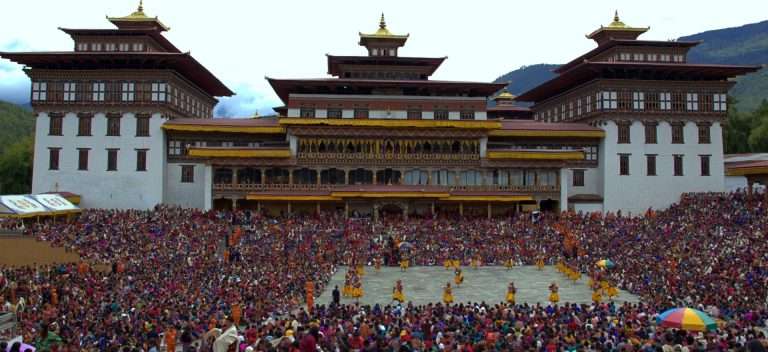
Spring (March to May) and Autumn (September to November) are widely considered the best seasons to visit. Spring brings blooming rhododendrons and mild temperatures; autumn offers crystal-clear skies, fresh mountain air, and some of Bhutan’s most famous festivals, including the Thimphu Tshechu.
Summer (June to August) is the monsoon season — landscapes are lush and intensely green, tourist numbers are lower, and tour prices tend to drop. Some trekking trails can be slippery, but overall it’s a perfectly viable time to visit.
Winter (December to February) is cold but serene. High-altitude passes may be snowed in, but Paro, Thimphu, and Punakha remain accessible and beautiful. It’s an excellent time for birdwatching, including rare black-necked cranes in Phobjikha Valley.
Must-See Places in Bhutan
Tiger’s Nest Monastery (Paro Taktsang) — Bhutan’s most iconic landmark, this sacred Buddhist monastery clings to a cliffside 3,000 metres above the Paro Valley. The 2–3 hour hike up is one of the most rewarding walks in all of Asia.
Thimphu — The world’s only capital city without traffic lights, Thimphu blends modernity with deep-rooted Bhutanese tradition. Visit the giant Buddha Dordenma statue, the Tashichho Dzong, and the Weekend Market.
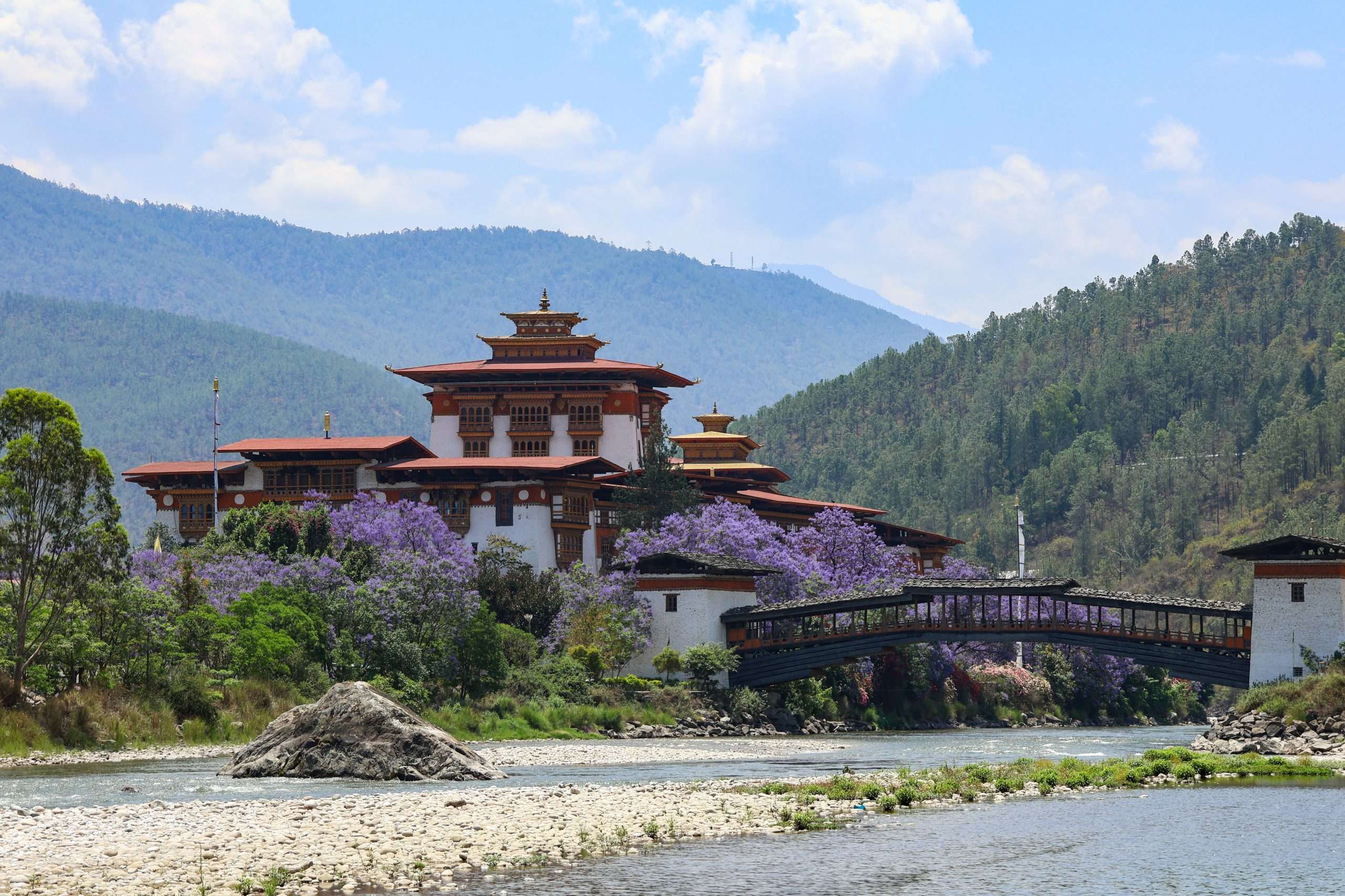
Punakha Dzong — Often called the most beautiful dzong (fortress-monastery) in Bhutan, Punakha sits at the confluence of two rivers and is especially stunning in spring when jacaranda trees bloom around it.
Phobjikha Valley — A glacial valley that serves as the winter home for the endangered black-necked crane. The landscape is wide, peaceful, and unlike anywhere else in Bhutan.
Chele La Pass — At 3,988 metres, this is one of the highest motorable passes in Bhutan and offers sweeping Himalayan views, including glimpses of the sacred Mt. Jhomolhari on a clear day.
Practical Tips for Bangladeshi Travellers
Start planning early. Entry permit processing can take up to 5 working days. Aim to book your tour and apply for your permit at least 4–6 weeks before travel.
Bring Bhutanese Ngultrum or Indian Rupees. The Bhutanese Ngultrum (BTN) is pegged to the Indian Rupee at 1:1. INR is widely accepted. USD can be exchanged at banks in Thimphu and Paro. ATMs are available in major towns but can be unreliable — carry cash as backup.
Dress modestly when visiting dzongs and monasteries. Cover your shoulders and knees. Many sites will provide a kira or gho (traditional attire) to borrow at the entrance.
Respect local customs. Walk clockwise around chortens (stupas) and prayer wheels. Photography inside temples is often restricted — always ask your guide before pointing a camera.
Travel insurance is mandatory. Bhutan requires all tourists to have valid travel insurance covering medical emergencies and evacuation. Ensure your policy is in order before departure.
Altitude awareness. Paro sits at around 2,200 metres and some excursions go considerably higher. Stay hydrated, take it easy on your first day, and let your guide know if you feel unwell.
Pack layers. Bhutan’s weather shifts quickly, especially in mountain areas. Even in summer, evenings can be cool. A light waterproof jacket and warm mid-layer are essentials year-round.
Getting Around Inside Bhutan
Your licensed tour operator will arrange all internal transport — typically a private vehicle with a driver. Bhutan does not have a public bus network geared towards tourists. Most visitors travel by road between Paro, Thimphu, and Punakha on well-maintained highways. Internal flights connecting eastern and central Bhutan are available but infrequent.
A Final Word
Bhutan is not a destination for rushing. It rewards travellers who slow down, look up, and let the mountains speak. As a Bangladeshi visitor, you hold one of the simplest entry privileges in the world for this remarkable country — no visa hassle, a heavily discounted SDF, and a flight that takes less time than a drive from Dhaka to Chittagong.
Book your tour operator, arrange your permit early, pack your walking shoes, and get ready for an experience that will stay with you long after you return home.