Bhutan Tour Packages:
Adventure
Festivals
Travel Tips:
Blog Posts:
- Traveling from Israel to Bhutan in 2027: Flights, Visa & Travel Guide
- When Is the Best Time to Visit Bhutan in 2027?
- Bhutan SDF 2027: Sustainable Development Fee Explained
- How to Get to Bhutan in 2027: Best Flight Routes via Kathmandu, Delhi, Bangkok & More
- Inside Amankora Bhutan: A Private Journey Through the Himalayas
Contact us:
So, you’re dreaming of visiting Bhutan, the mystical Himalayan kingdom where happiness is valued more than GDP? You’re not alone. This tiny, peaceful country nestled between India and China has captured the hearts of travelers seeking authentic culture, pristine nature, and soulful experiences. But planning a trip to Bhutan isn’t like booking a weekend getaway. From permits to packing layers, there’s a lot to know.
Don’t worry—we’ve got you covered. Here are 7 important tips to make your Bhutan adventure smooth, meaningful, and unforgettable.
1. Understand Bhutan’s Visa Policy and SDF Fees
How to Get a Visa to Bhutan
Unless you’re from India, Bangladesh, or the Maldives, you’ll need a Bhutan visa before entering. Luckily, the process is simple—but it’s handled by your licensed Bhutanese tour operator (like OMSHA Travel).
Here’s what’s required:
- Valid passport (6+ months)
- Tour booking confirmation
- Full pre-payment for tour services and SDF (Sustainable Development Fee)
Bhutan’s SDF (Sustainable Development Fee)
Bhutan charges an SDF of:
- $100 per person, per night (for most foreign nationals)
- Discounted SDF for Indian citizens (approx. ₹1,200 per person/night)
Yes, it’s steep—but it goes toward education, healthcare, conservation, and preserving Bhutanese culture. Think of it as investing in the happiness of the people and the planet.
2. Choose the Right Time to Visit Bhutan
When Is the Best Time to Visit Bhutan?
Bhutan experiences four seasons, and each offers something special:
- Spring (March–May): Rhododendrons bloom; perfect for treks
- Autumn (September–November): Clear skies, ideal for festivals and views
- Winter (December–February): Great for cultural tours, birding, and less-crowded attractions
- Summer (June–August): Green and lush, but can be rainy
Pro Tip: Autumn and Spring are peak seasons, so book early.
3. Book Through a Licensed Tour Operator
Why You Need a Tour Operator in Bhutan
Independent travel is discouraged in Bhutan, as the country promotes a carefully managed tourism model. This is part of Bhutan’s “High Value, Low Volume” tourism policy, which ensures visitors have a meaningful and eco-friendly experience.
Booking your trip through a licensed Bhutanese tour operator is the best way to experience the country. A tour operator will take care of all travel arrangements, including your visa, accommodation, transportation, guide, and itinerary, ensuring a seamless and enriching journey while supporting Bhutan’s sustainable tourism philosophy.
A good operator will handle:
- Visa processing
- Accommodations
- Transportation and guides
- Permits for restricted areas
- Customized itinerary planning
🔗 Check out our curated Bhutan Tour Packages.
4. Decide Your Travel Route: Bhutan Only or Multicountry?
Combine Bhutan with India or Nepal
Bhutan shares borders with India and China but only allows tourists to enter from India (by road or air) or via international flights to Paro. Many travelers combine Bhutan with India (Delhi, Sikkim, Darjeeling) or Nepal (Kathmandu, Pokhara).
Common multicountry routes:
- India–Bhutan: Enter via Bagdogra or Siliguri by road
- Nepal–Bhutan: Direct flight from Kathmandu to Paro
🔗 Read: How to Customize Your India-Nepal-Bhutan Tour Package
5. Pack Wisely for Bhutan’s Varying Climates
Bhutan’s Weather Can Be Unpredictable
From subtropical plains to snowy mountains, Bhutan has diverse microclimates. Here’s a general packing list:
- Warm layers (especially for mornings and nights)
- Comfortable trekking shoes
- Rain jacket or umbrella (for monsoons)
- Sunscreen and lip balm
- Hat and sunglasses
- Modest clothing for visiting monasteries
If you’re trekking, bring thermal wear, gloves, and even a headlamp.
6. Respect Bhutanese Culture and Traditions
A Kingdom Rooted in Spirituality
Bhutan is deeply Buddhist. You’ll see prayer flags, stupas, and monks throughout the country. Visitors are warmly welcomed but expected to follow cultural etiquette:
- Dress modestly (especially in Dzongs and temples)
- Remove shoes before entering religious sites
- Do not photograph monks or ceremonies without permission
- Avoid pointing your feet at altars or people
- Show respect when speaking about the King or religion
A small gesture of respect goes a long way in Bhutan.
7. Don’t Skip These Experiences in Bhutan
Must-See Places and Experiences
Here’s what you absolutely shouldn’t miss:
- 🏞️ Tiger’s Nest Monastery (Paro) – Bhutan’s most iconic hike
- 🙏 Buddha Dordenma (Thimphu) – A massive golden statue with panoramic views
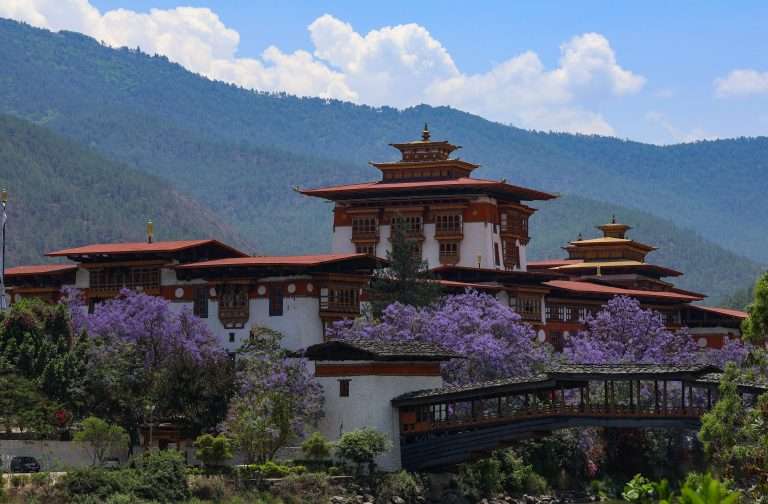
- 🏰 Punakha Dzong – A masterpiece of Bhutanese architecture
- 🎭 Attend a Tsechu Festival – Bhutanese culture in full color
- 🚶 Trek the Phobjikha Valley – Home to black-necked cranes and stunning nature
- 🧵 Visit Local Villages – Meet weavers, farmers, and yak herders
🔗 Plan your journey: Things to See in Paro | Things to See in Thimphu
Conclusion: Bhutan Is Worth Every Step
Planning a trip to Bhutan may seem overwhelming, but it’s actually quite seamless once you understand the essentials. From visa rules and travel seasons to cultural etiquette and packing tips, you now have everything you need to embark on a transformative journey to the Land of the Thunder Dragon.
Bhutan isn’t just a destination—it’s a feeling. A place where happiness is policy, where nature still reigns, and where ancient traditions thrive in the modern world. Let your journey be more than a vacation; let it be a soulful escape.