Bhutan Tour Packages:
Adventure
Festivals
Travel Tips:
Blog Posts:
- Traveling from Israel to Bhutan in 2027: Flights, Visa & Travel Guide
- When Is the Best Time to Visit Bhutan in 2027?
- Bhutan SDF 2027: Sustainable Development Fee Explained
- How to Get to Bhutan in 2027: Best Flight Routes via Kathmandu, Delhi, Bangkok & More
- Inside Amankora Bhutan: A Private Journey Through the Himalayas
Contact us:
While thousands of travelers flock to the famous Paro Festival and Thimphu Festival each year, Trashigang Festival remains one of Bhutan’s best-kept cultural secrets. Held in the country’s largest district, this vibrant festival offers visitors an authentic glimpse into Bhutanese traditions without the crowds found in western Bhutan.
If you’re looking for an off-the-beaten-path experience, the Trashigang Tshechu is one of the most rewarding festivals to include in your Bhutan itinerary.
What is Trashigang Festival?
Trashigang Festival is an annual Buddhist religious festival celebrated at Trashigang Dzong, the administrative and spiritual heart of eastern Bhutan. Like all Bhutanese tshechus, the festival commemorates Guru Rinpoche (Padmasambhava), who introduced Buddhism to Bhutan during the 8th century.
The festival is organized by the local monastic community and attracts thousands of residents from surrounding villages. Families travel for hours—sometimes days—to receive blessings, witness sacred mask dances, socialize, and celebrate their cultural heritage.
Unlike Bhutan’s more commercialized festivals, Trashigang Tshechu retains a deeply local atmosphere where visitors become part of the celebration rather than simply spectators.
Where is Trashigang?
Located in eastern Bhutan, Trashigang is approximately 550 km from Paro, making it one of the country’s most remote yet fascinating destinations.
The district serves as the gateway to eastern Bhutan and borders several other culturally rich regions, including:
- Trashiyangtse
- Mongar
- Pemagatshel
- Samdrup Jongkhar
Its dramatic mountain landscapes, traditional villages, and slower pace of life make it an ideal destination for travelers seeking authentic Bhutan.
The History of Trashigang Dzong
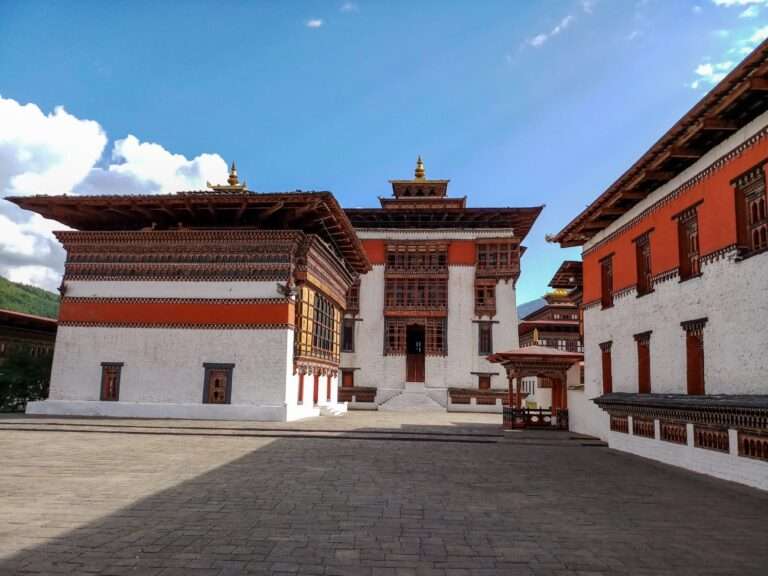
The festival takes place within the magnificent Trashigang Dzong, built in 1659 by Chogyal Minjur Tenpa under the direction of Zhabdrung Ngawang Namgyal.
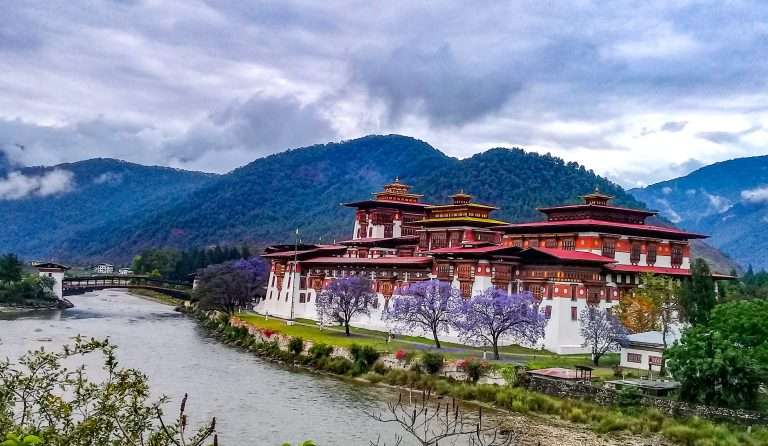
Perched dramatically above the Gamri River, the fortress has long served as the political, religious, and administrative center of eastern Bhutan.
For centuries, it has protected important trade routes connecting Bhutan with Tibet and Arunachal Pradesh in India.
Today, the dzong remains one of eastern Bhutan’s most significant monasteries and government centers.
Festival Highlights
Sacred Cham Dances
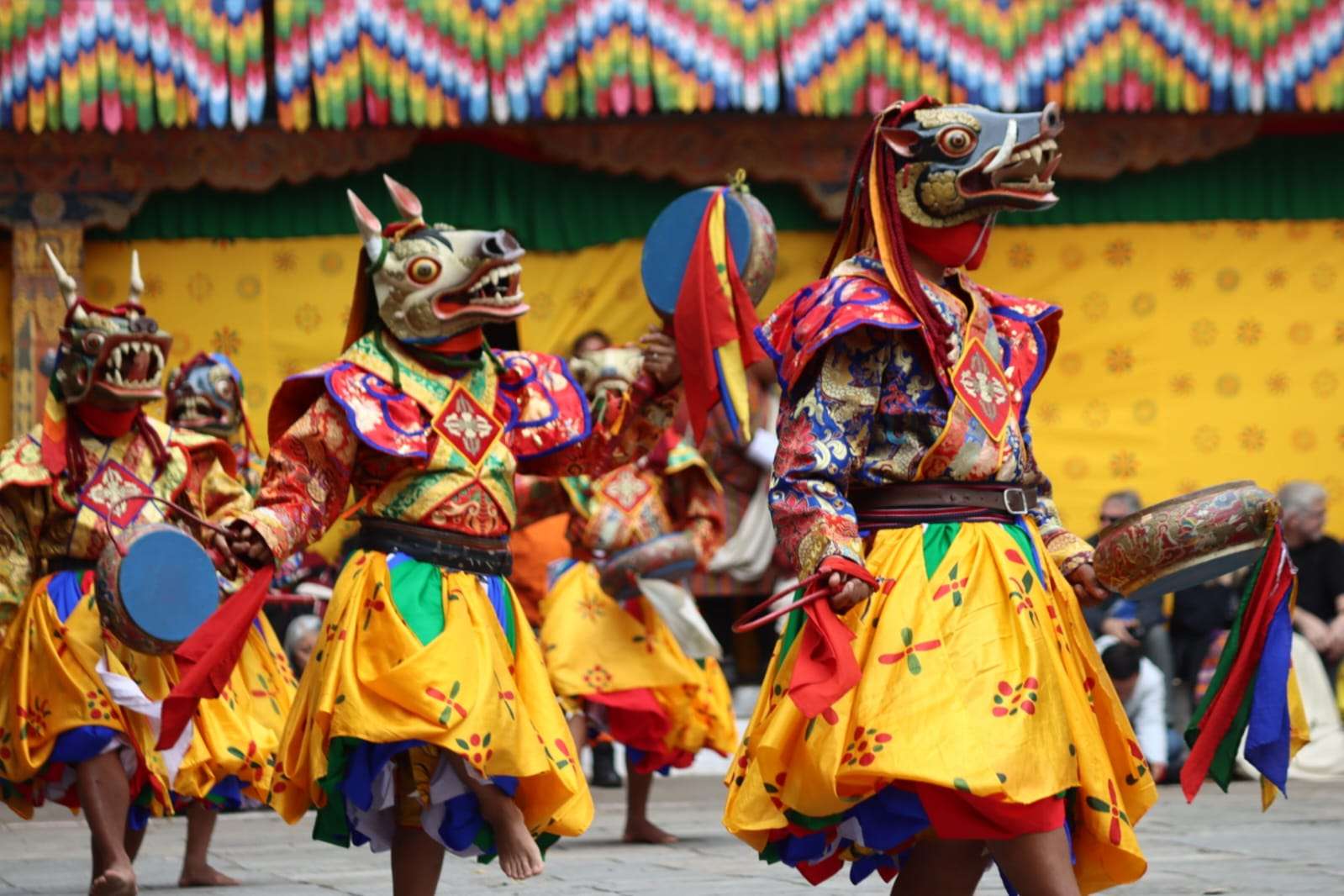
The highlight of the festival is the series of sacred Cham dances performed by monks wearing elaborate silk costumes and beautifully crafted masks.
Each dance represents Buddhist teachings, illustrating:
- The triumph of good over evil
- The impermanence of life
- The path toward enlightenment
- The protection offered by Buddhist deities
These performances are considered acts of meditation and spiritual practice rather than entertainment alone.
Traditional Costumes
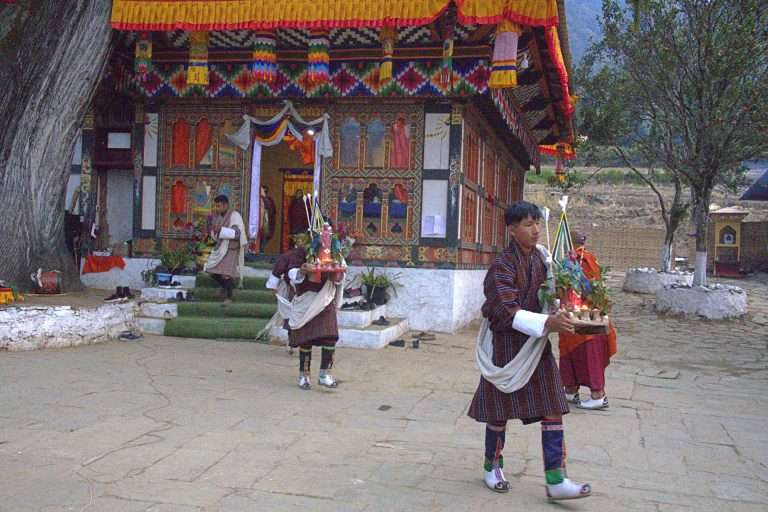
One of the most striking aspects of Trashigang Tshechu is the sea of colorful traditional dress.
Men proudly wear the Gho, while women arrive in beautifully woven Kira, often featuring distinctive eastern Bhutanese textile designs known for their vibrant colors and intricate craftsmanship.
The festival becomes a living showcase of Bhutan’s remarkable weaving traditions.
Community Gathering
For locals, the tshechu is much more than a religious event.
It serves as:
- A family reunion
- A community celebration
- A marketplace
- A social gathering
- A time to strengthen cultural identity
Many people wear their finest clothing and bring homemade food to enjoy with relatives and friends throughout the day.
Blessings from the Monks
Receiving blessings from the monks is one of the most meaningful experiences for both locals and visitors.
Many devotees believe that attending the festival helps purify negative karma and brings health, happiness, and prosperity for the coming year.
Why Visit Trashigang Tshechu Instead of More Famous Festivals?
Fewer Tourists
Unlike Paro or Thimphu Tshechu, you’ll experience the festival alongside local Bhutanese rather than large tour groups.
This creates a far more intimate and immersive cultural experience.
Authentic Eastern Bhutan Culture
Eastern Bhutan has preserved many traditions that differ slightly from western Bhutan.
Visitors can observe:
- Distinct local dialects
- Unique weaving traditions
- Regional cuisine
- Traditional architecture
- Rural lifestyles
Incredible Photography Opportunities
Photographers will appreciate:
- Colorful masked dancers
- Ancient fortress architecture
- Monks in ceremonial robes
- Local families in traditional attire
- Scenic mountain backdrops
- Genuine moments of devotion
The lack of crowds also allows for more natural and unobstructed photographs.
Combine with Eastern Bhutan Adventures
A journey to Trashigang can easily be combined with visits to:
- Chorten Kora in Trashiyangtse
- Gom Kora Temple
- Khaling National Handloom Development Centre
- Radhi Village, famous for silk weaving
- Merak and Sakteng, home to the semi-nomadic Brokpa people
Together, these destinations offer one of Bhutan’s richest cultural journeys.
Trashigang Tshechu Festival Dates (2026)
Trashigang Tshechu 2026 will be celebrated from 18th to 20th November 2026.
This three-day festival is one of the most important religious and cultural events in eastern Bhutan.
Since the festival attracts visitors from across eastern Bhutan, it is advisable to plan your trip well in advance, especially if you intend to combine the festival with visits to nearby destinations such as Trashiyangtse, Gom Kora, Radhi Village, Merak, or Sakteng.
Trashigang Tshechu 2026 Dates:
- 18 November 2026 (Wednesday)
- 19 November 2026 (Thursday)
- 20 November 2026 (Friday)
How to Reach Trashigang
Traveling to Trashigang is an adventure in itself.
By Road
The journey from Thimphu usually takes two to three days, passing through:
- Dochula Pass
- Trongsa
- Bumthang
- Mongar
The drive offers spectacular mountain scenery, forests, waterfalls, and charming villages.
Domestic Flights
Travelers may also fly domestically to Yonphula Airport, located near Trashigang, subject to seasonal flight schedules and weather conditions.
Travel Tips
To make the most of your visit:
- Arrive early to secure a good viewing spot.
- Dress modestly and respectfully.
- Ask permission before taking close-up portraits.
- Carry a light jacket, as mornings can be cool.
- Wear comfortable walking shoes.
- Bring a camera with extra batteries.
- Respect religious ceremonies and avoid walking across performance areas.
Suggested Itinerary
Day 1: Arrive in Trashigang and explore the town.
Day 2: Attend the full-day Trashigang Tshechu.
Day 3: Explore Trashiyangtse and Chorten Kora & Gom Kora Temple
Day 4: Travel to Merak or Sakteng for an unforgettable cultural experience.
Why Trashigang Tshechu Should Be on Your Bhutan Bucket List
If you’ve already visited western Bhutan—or simply want a deeper, more authentic cultural experience—Trashigang Tshechu is an outstanding choice.
The combination of sacred rituals, dramatic mountain scenery, welcoming local communities, and centuries-old traditions creates an experience that feels both intimate and unforgettable. Here, you’ll witness Bhutan’s living heritage in a setting that remains largely untouched by mass tourism.
For travelers who value meaningful cultural encounters over crowded attractions, Trashigang Tshechu offers one of the most rewarding festival experiences in the Kingdom.
Plan Your Eastern Bhutan Festival Tour with OMSHA Travel
Experience the magic of Trashigang Tshechu with a customized journey designed by OMSHA Travel. We specialize in private Bhutan tours that combine vibrant festivals with eastern Bhutan’s hidden gems, including Trashiyangtse, Merak, Sakteng, Bumthang, and other off-the-beaten-path destinations.
Our local expertise ensures you enjoy the best festival viewing locations, comfortable accommodations, knowledgeable guides, and a seamless travel experience from arrival to departure.
Contact OMSHA Travel today to start planning your unforgettable Eastern Bhutan festival adventure.
Frequently Asked Questions
When is Trashigang Tshechu held?
The festival follows the Bhutanese lunar calendar, so the dates change each year. It’s best to confirm the schedule before planning your trip.
Is Trashigang Tshechu suitable for international visitors?
Yes. International visitors are welcome and often find it to be one of Bhutan’s most authentic and least crowded festival experiences.
How many days should I spend in eastern Bhutan?
A minimum of 5–7 days is recommended to experience the festival and explore nearby attractions such as Trashiyangtse, Radhi, Gom Kora, and Merak or Sakteng.
Can I photograph the festival?
Yes, photography is generally allowed. However, visitors should be respectful during religious ceremonies and ask permission before taking close-up photos of individuals.
Why is Trashigang Tshechu different from Paro or Thimphu Tshechu?
Trashigang Tshechu attracts far fewer tourists, offering a more intimate experience where visitors can engage with local communities and witness eastern Bhutan’s unique traditions in a peaceful setting.