Bhutan Tour Packages:
Adventure
Festivals
Travel Tips:
Blog Posts:
- Traveling from Israel to Bhutan in 2027: Flights, Visa & Travel Guide
- When Is the Best Time to Visit Bhutan in 2027?
- Bhutan SDF 2027: Sustainable Development Fee Explained
- How to Get to Bhutan in 2027: Best Flight Routes via Kathmandu, Delhi, Bangkok & More
- Inside Amankora Bhutan: A Private Journey Through the Himalayas
Contact us:
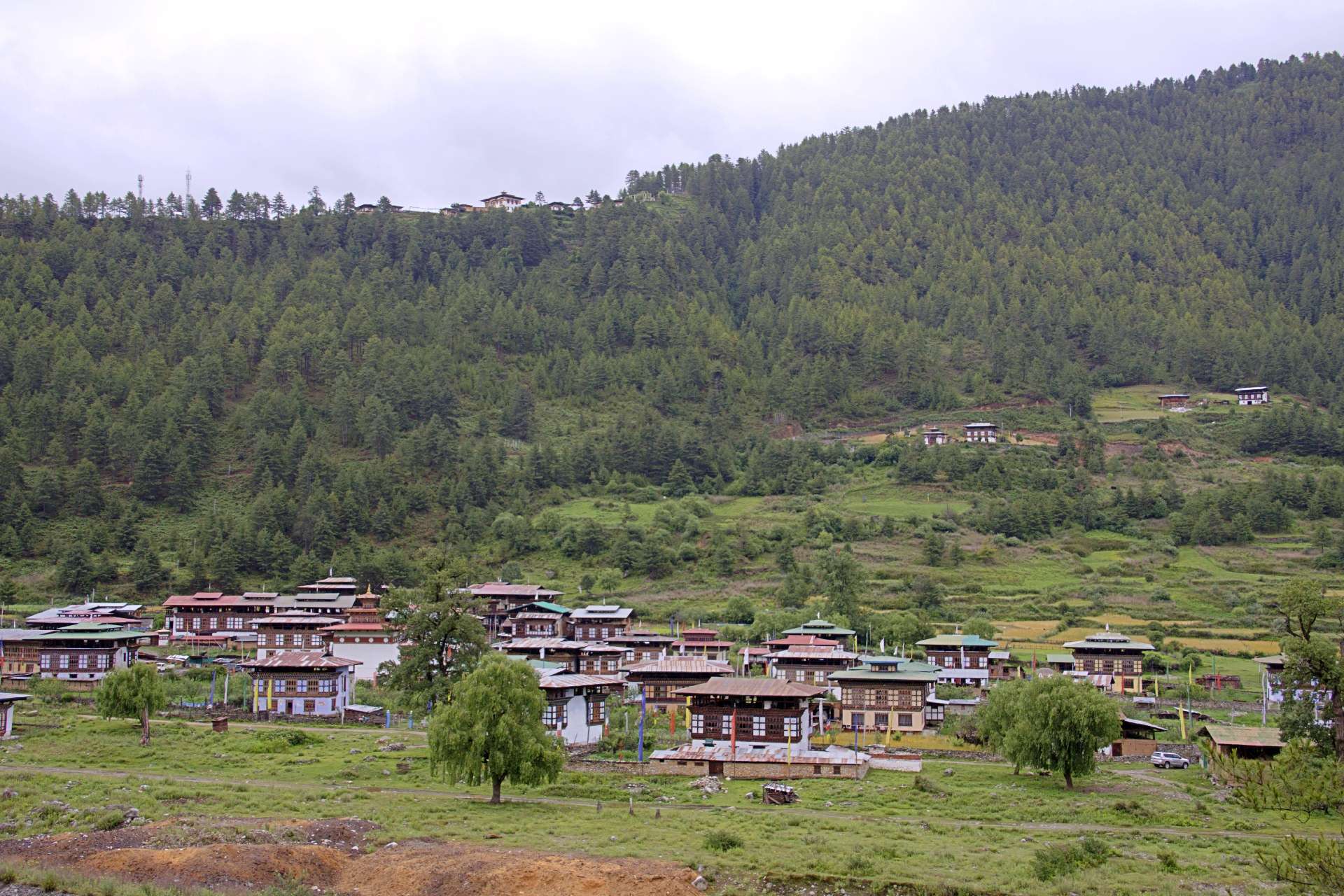
Nestled in the far west of Bhutan, Haa Valley is one of the country’s most untouched and authentic destinations. Unlike the popular tourist hubs of Paro, Thimphu, and Punakha, Haa offers a peaceful escape where travelers can experience traditional Bhutanese culture, breathtaking mountain landscapes, and warm local hospitality.
Opened to international tourists only in 2002, Haa Valley remains one of Bhutan’s hidden gems. Surrounded by dense pine forests, snow-capped Himalayan peaks, ancient temples, and charming villages, it is the perfect destination for travelers seeking tranquility, nature, and cultural immersion.
Whether you’re planning a day trip from Paro or spending a few nights exploring the valley, this guide covers everything you need to know.
Where is Haa Valley?
Haa Valley lies in western Bhutan, approximately 65 km from Paro and around 115 km from Thimphu. The journey to Haa is one of Bhutan’s most scenic drives, crossing the spectacular Chele La Pass, the highest motorable road in Bhutan at 3,988 meters (13,083 feet).
The valley sits at an altitude of approximately 2,700 meters, making it pleasantly cool throughout the year.
Why Visit Haa Valley?
Unlike Bhutan’s busier destinations, Haa Valley offers a slower pace of life where visitors can truly connect with local traditions and untouched landscapes.
Some highlights include:
- Authentic rural Bhutanese lifestyle
- Scenic mountain drives
- Ancient monasteries and temples
- Beautiful hiking trails
- Traditional farmhouses
- Rich local culture
- Less crowded attractions
- Spectacular photography opportunities
If you’re looking for an off-the-beaten-path experience in Bhutan, Haa Valley is one of the best places to visit.
Top Things to Do in Haa Valley
Haa Valley is one of Bhutan’s most rewarding destinations for travelers who enjoy nature, culture, and outdoor adventures. From ancient monasteries and scenic mountain passes to pristine hiking trails and world-class fly fishing, the valley offers experiences that are both authentic and unforgettable.
1. Drive Across Chele La Pass
Your journey to Haa Valley begins with one of Bhutan’s most scenic drives across Chele La Pass (3,988 m), the highest motorable pass in the country.
Highlights include:
- Spectacular Himalayan mountain views
- Prayer flags fluttering across the ridge
- Rhododendron forests in spring
- Snow-covered landscapes in winter
- Views of Mount Jomolhari on clear days
Chele La is also one of Bhutan’s best photography spots.
2. Visit Lhakhang Karpo (White Temple)
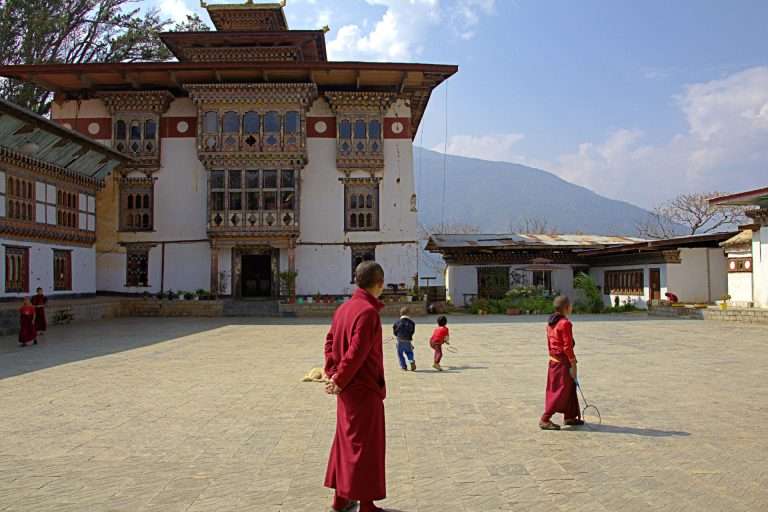
Lhakhang Karpo is one of the oldest and most sacred temples in western Bhutan. Built in the 7th century, it is believed to have been constructed by Tibetan King Songtsen Gampo.
Visitors can admire:
- Traditional Bhutanese architecture
- Beautiful murals and sacred relics
- Peaceful courtyards
- Ancient Buddhist history
3. Explore Lhakhang Nagpo (Black Temple)
Located just a short drive from Lhakhang Karpo, Lhakhang Nagpo is equally significant in Bhutanese Buddhism.
The temple offers:
- Historic religious significance
- Ancient wooden architecture
- Quiet meditation spaces
- Beautiful rural surroundings
4. Visit Jungneydra Monastery
One of Haa Valley’s hidden spiritual treasures, Jungneydra Monastery is dramatically built into a cliffside overlooking the valley. The monastery is believed to have been blessed by Guru Rinpoche and has long served as a meditation retreat for Buddhist monks.
The hike to Jungneydra rewards visitors with:
- Stunning panoramic views of Haa Valley
- Peaceful forest trails
- Ancient meditation caves
- Sacred shrines and prayer flags
- A serene atmosphere ideal for reflection
This is a must-visit for travelers seeking both adventure and spiritual experiences.
5. Hike the Haa Panorama Trail
The Haa Panorama Hike is one of the valley’s most scenic day hikes, offering breathtaking views of alpine meadows, forests, villages, and surrounding Himalayan peaks.
Along the trail you’ll enjoy:
- Sweeping views over Haa Valley
- Traditional mountain villages
- Colorful wildflowers during spring and summer
- Excellent birdwatching opportunities
- Fresh mountain air and peaceful surroundings
The hike is suitable for most travelers with moderate fitness.
Experience Fly Fishing
Haa Valley is home to some of Bhutan’s cleanest mountain rivers, making it an excellent destination for catch-and-release fly fishing.
Anglers can enjoy:
- Crystal-clear glacial streams
- Brown trout
- Rainbow trout
- Peaceful riverside settings
- Beautiful mountain scenery
Fishing permits and local guides are required, and sustainable fishing practices are encouraged to protect Bhutan’s pristine ecosystems.
7. Trek to Nub Tshona Patra
The Nub Tshona Patra Trek is one of Haa Valley’s lesser-known trekking adventures, taking hikers through alpine forests, yak pastures, and remote high-altitude landscapes before reaching the sacred Nub Tshona Patra Lake.
Highlights include:
- Remote mountain wilderness
- High-altitude alpine lakes
- Yak herder camps
- Magnificent Himalayan scenery
- Rich alpine flora and fauna
This trek is ideal for experienced hikers looking for an off-the-beaten-path adventure.
8. Explore the Juniper Trek
The Juniper Trek is a relatively easy and scenic hiking route that passes through fragrant juniper forests, open meadows, and traditional villages.
The trail offers:
- Peaceful forest walks
- Beautiful mountain landscapes
- Opportunities to spot local wildlife
- Traditional Bhutanese countryside
- Ideal conditions for nature photography
It is a great option for families and travelers looking for a shorter hiking experience.
9. Challenge Yourself on the Tergola Hike
The Tergola Hike is one of Haa Valley’s rewarding mountain hikes, taking visitors through pristine forests and ridgelines with spectacular panoramic views.
Expect:
- Moderate to challenging trails
- Dense pine and fir forests
- Stunning mountain viewpoints
- Excellent birdwatching
- Quiet wilderness with few other hikers
The trail showcases Haa Valley’s untouched natural beauty and is perfect for adventure enthusiasts.
10. Walk Around Haa Town
Haa Town is small, peaceful, and full of local charm.
Take time to:
- Visit local handicraft shops
- Enjoy Bhutanese cafés
- Meet friendly residents
- Observe daily village life
- Sample authentic Bhutanese cuisine
Unlike Bhutan’s larger towns, Haa retains a relaxed atmosphere and traditional character.
11. Stay at a Traditional Bhutanese Farmhouse
A farmhouse stay offers an authentic glimpse into rural Bhutanese life.
Guests can experience:
- Homemade Bhutanese meals
- Traditional hot stone baths
- Ara (local rice wine)
- Farm activities
- Warm Bhutanese hospitality
This is one of the most memorable cultural experiences in Haa Valley.
12. Attend the Haa Summer Festival
Held every July, the Haa Summer Festival celebrates the valley’s unique culture, nomadic traditions, and local heritage.
Festival highlights include:
- Yak riding demonstrations
- Traditional archery competitions
- Local food tasting
- Folk songs and dances
- Cultural performances
- Handicraft exhibitions
The festival is an excellent opportunity to experience Haa’s vibrant community spirit.
13. Discover Haa’s Wildlife and Birdlife
The forests and mountains surrounding Haa Valley are rich in biodiversity.
Wildlife enthusiasts may spot:
- Himalayan Monal
- Blood Pheasant
- Satyr Tragopan
- Musk deer
- Red fox
- Himalayan black bear (rare)
The valley is a paradise for birdwatchers and nature photographers.
14. Enjoy Local Bhutanese Cuisine
No visit to Haa Valley is complete without trying its local specialties.
Must-try dishes include:
- Hoentay (buckwheat dumplings unique to Haa)
- Ema Datshi
- Kewa Datshi
- Red rice
- Yak meat dishes
- Buckwheat pancakes
- Butter tea
The use of fresh local ingredients gives Haa’s cuisine a distinctive flavor that reflects the valley’s agricultural traditions.
Best Time to Visit Haa Valley
Spring (March to May)
Spring is one of the best seasons.
Highlights include:
- Blooming rhododendrons
- Pleasant temperatures
- Clear mountain views
- Excellent hiking conditions
Temperature:
5°C–20°C
Summer (June to August)
Summer brings lush green landscapes and the famous Haa Summer Festival.
Expect:
- Occasional rain
- Beautiful valleys
- Fresh mountain air
- Vibrant countryside
Temperature:
12°C–24°C
Autumn (September to November)
Autumn is considered the ideal season.
Advantages include:
- Crystal-clear skies
- Comfortable temperatures
- Excellent photography
- Best mountain visibility
Temperature:
8°C–22°C
Winter (December to February)
Winter transforms Haa into a peaceful snowy destination.
Expect:
- Snow at Chele La Pass
- Fewer tourists
- Crisp mountain air
- Beautiful winter scenery
Temperature:
-5°C–12°C
How to Reach Haa Valley
Most visitors travel from Paro.
From Paro
Distance:
Approximately 65 km
Driving time:
Around 2–2.5 hours
The route passes through the breathtaking Chele La Pass.
From Thimphu
Distance:
Approximately 115 km
Driving time:
Around 3.5–4 hours
Most Bhutan itineraries combine Haa with Paro.
Where to Stay in Haa Valley
Accommodation options include:
- Traditional guesthouses
- Boutique lodges
- Farmstays
- Comfortable hotels
Staying overnight allows visitors to experience the peaceful atmosphere after day-trippers have left.
Travel Tips for Visiting Haa Valley
- Carry a warm jacket, even during summer.
- Start early when crossing Chele La Pass for the best views.
- Bring sunglasses and sunscreen, as the high altitude means stronger UV rays.
- Wear comfortable walking shoes for village walks and hikes.
- Respect local customs and ask permission before photographing people.
- Carry some cash, as smaller shops may not accept cards.
- Spend at least one night in Haa to fully appreciate the valley.
Frequently Asked Questions
Is Haa Valley worth visiting?
Absolutely. Haa Valley offers one of Bhutan’s most authentic experiences, combining stunning natural scenery, rich cultural heritage, and peaceful surroundings away from the crowds.
Can Haa Valley be visited as a day trip?
Yes. Many travelers visit Haa as a day trip from Paro, but staying overnight provides a more immersive experience and allows you to enjoy the valley’s serene atmosphere.
How many days should I spend in Haa Valley?
Two to three days is ideal for exploring the valley, visiting its historic temples, enjoying scenic walks, and experiencing local village life.
Is Haa Valley suitable for families?
Yes. Haa Valley is a family-friendly destination with gentle walks, cultural attractions, and beautiful landscapes that travelers of all ages can enjoy.
Final Thoughts
Haa Valley is one of Bhutan’s best-kept secrets—a destination where untouched landscapes, centuries-old monasteries, and genuine local hospitality come together to create an unforgettable travel experience. Whether you’re driving over the spectacular Chele La Pass, exploring sacred temples, hiking through alpine forests, or sharing a traditional meal in a Bhutanese farmhouse, every moment in Haa offers a deeper connection to the country’s rich culture and natural beauty.
If you’re planning a trip to Bhutan and want to experience a quieter, more authentic side of the Kingdom, Haa Valley deserves a place on your itinerary.