Bhutan Tour Packages:
Adventure
Festivals
Travel Tips:
Blog Posts:
- Traveling from Israel to Bhutan in 2027: Flights, Visa & Travel Guide
- When Is the Best Time to Visit Bhutan in 2027?
- Bhutan SDF 2027: Sustainable Development Fee Explained
- How to Get to Bhutan in 2027: Best Flight Routes via Kathmandu, Delhi, Bangkok & More
- Inside Amankora Bhutan: A Private Journey Through the Himalayas
Contact us:
Bhutan is one of the world’s most rewarding destinations for senior travelers seeking a peaceful, culturally rich, and comfortable holiday. Unlike fast-paced destinations packed with crowds and long queues, Bhutan invites you to slow down, breathe fresh Himalayan air, and experience centuries-old traditions at your own pace.
Whether you’re retired, traveling with your spouse, or planning a family trip with parents or grandparents, Bhutan offers comfortable accommodations, scenic drives, gentle nature walks, and unforgettable cultural experiences without requiring strenuous trekking.
This guide covers everything seniors need to know before visiting Bhutan—from choosing the best itinerary to selecting easy hikes, comfortable hotels, and practical travel tips.
Is Bhutan Suitable for Elderly Travelers?
Absolutely.
You don’t need to be an experienced hiker or adventure enthusiast to enjoy Bhutan. Most cultural attractions are accessible by vehicle, and your guide can adjust the pace according to your comfort.
Many visitors in their 60s, 70s, and even 80s enjoy Bhutan comfortably by choosing a well-planned itinerary.
Activities can easily be customized to include:
- Scenic sightseeing
- Monastery visits
- Traditional arts and crafts
- Village walks
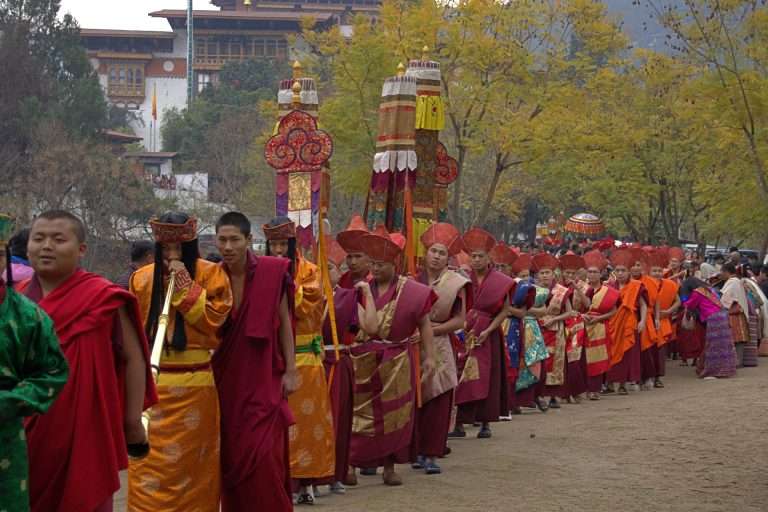
- Cultural performances
- Photography
- Local markets
- Traditional hot stone baths
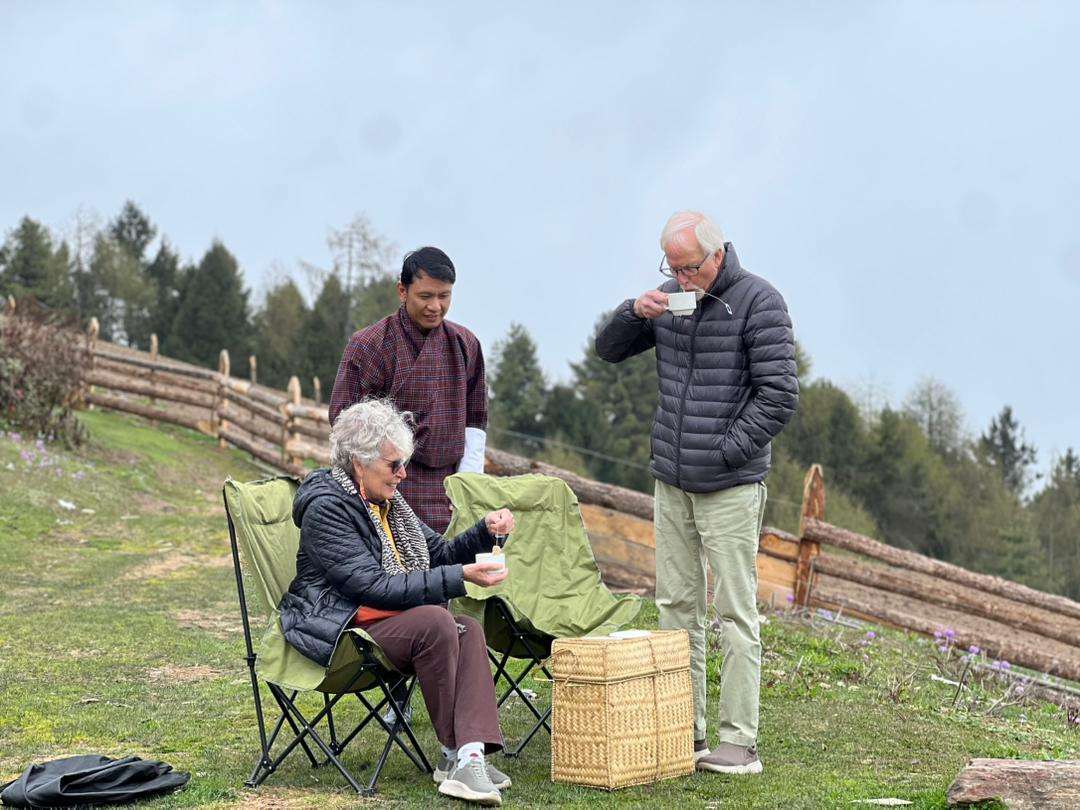
- Tea breaks with mountain views
Plan Around a Slower Rhythm From the Start
The single best thing you can do for a comfortable Bhutan trip is choose a private, customizable tour rather than a fixed group itinerary. Private tours give you the flexibility to shorten a visit, add extra rest stops, or simply linger somewhere that feels good — none of which is possible on a tightly scheduled coach tour. Most Bhutanese operators are well accustomed to arranging trips specifically for older travellers, with short drives, unhurried pacing, and guides trained to match your walking speed rather than their own.
It also helps to build slack into the itinerary itself. Rather than packing each day with back-to-back sites, plan for tea breaks in quiet cafés overlooking the valleys, time to simply sit in a temple courtyard, and no more than one or two significant stops per day.
Altitude Is the Real Planning Factor
Bhutan’s terrain, not its distances, is what tires travellers out. The country’s average elevation sits around 8,000 feet, and altitude can change quickly between towns. Thimphu sits near 2,300m, Paro around 2,200m, and mountain passes on route between valleys can climb past 3,000m. None of this is dangerous for most healthy seniors, but it’s worth respecting:
- Ascend gradually and avoid scheduling strenuous activity on your first day or two.
- Drink water frequently and skip alcohol early in the trip.
- If you have a pre-existing heart or lung condition, talk to your doctor beforehand about preventive medication.
- Simple fatigue is common at altitude — build rest into the schedule rather than pushing through it.
You Don’t Have to Hike to Tiger’s Nest — And That’s Fine
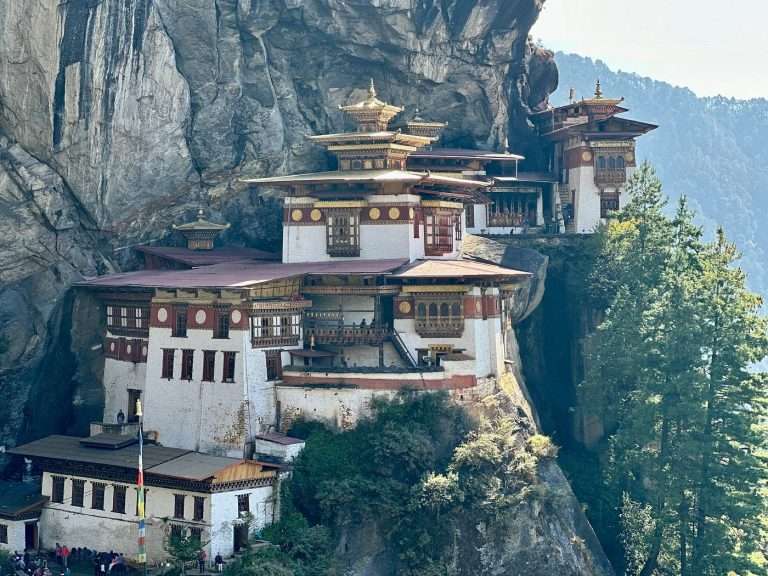
Taktsang Monastery, the famous “Tiger’s Nest,” is Bhutan’s most iconic image, and understandably many travellers want to see it. But the hike up is genuinely steep, gaining significant elevation over several hours, and it isn’t necessary to enjoy the experience. Sensible alternatives for seniors include:
- Admiring the monastery from the scenic viewpoint or the café roughly halfway up, both of which offer spectacular views without the full climb.
- Taking a pony partway up the trail, an option offered by several operators, before continuing on foot for a shorter final stretch.
- Simply skipping the hike and photographing the monastery from the valley floor — still one of the most photographed views in the Himalayas.
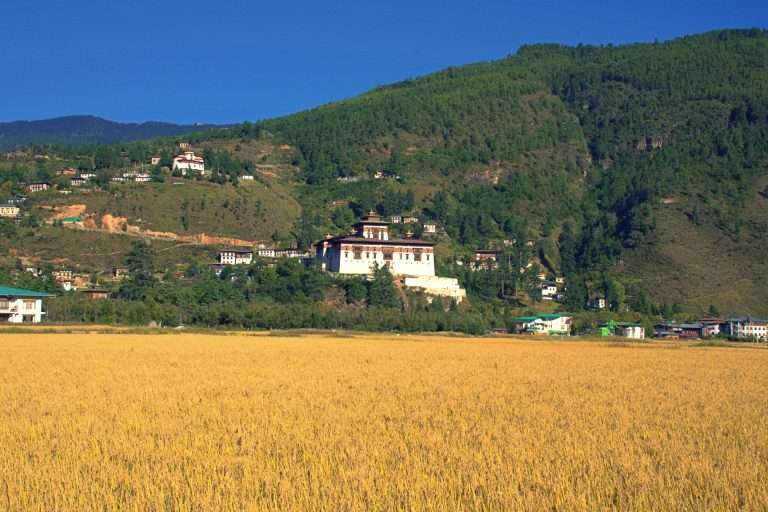
The same logic applies elsewhere. Many dzongs (fortress-monasteries) involve internal staircases, but their exteriors and courtyards — often the most photogenic parts — are flat and easy to reach.
Senior-Friendly Sites Worth Prioritizing
Several of Bhutan’s most meaningful sites happen to also be among its easiest to visit:
- Kyichu Lhakhang, Paro — One of Bhutan’s oldest and most sacred temples, dating to the 7th century, with a peaceful, largely level courtyard.
- National Memorial Chorten, Thimphu — Beloved by elderly Bhutanese themselves, who walk clockwise around it daily. The pathway is wide, level, and partly shaded — genuinely one of the most moving, low-effort experiences in the country.
- Punakha Dzong — Widely regarded as Bhutan’s most beautiful dzong, with paved paths and relatively easy access, set beside the confluence of two rivers.
- Textile and craft museums in Thimphu — Many newer buildings feature ramps, lifts, and seating, offering rich cultural immersion with essentially no physical strain.
- Haa and Phobjikha valleys — Broad, gentle valley walks with soft scenery, ideal for a slow stroll rather than a climb.
- Bumthang Valley — Often called Bhutan’s spiritual heartland, Bumthang is a cluster of wide, gently sloping valleys dotted with ancient temples like Jambay Lhakhang and Kurjey Lhakhang, most with flat, easy courtyards and minimal stairs. The pace here is naturally unhurried, with soft farmland walks, orchards, and quiet monasteries that reward slow exploration over strenuous hiking. It’s also a good base for sampling local specialties like buckwheat pancakes and honey without much walking required at all.
Choosing Accommodations
Not every hotel in Bhutan has an elevator, so it’s worth being specific with your tour operator about mobility needs. Modern hotels in Thimphu and Paro increasingly offer lifts, ground-floor rooms, and barrier-free access — ask for these explicitly when booking. Smaller towns often rely on family-run guesthouses, which are charming but may involve stairs, so confirming room details in advance saves surprises.
Practical Comfort Items Worth Packing
A few small items make a disproportionate difference to comfort:
- A lightweight walking stick or trekking pole for uneven courtyard stones.
- A wide-brimmed sun hat — Bhutan’s mountain sun is stronger than it feels.
- A warm, packable layer, since temperatures can shift quickly between sun and shade, or between valley floor and mountain pass.
- Comfortable, broken-in walking shoes rather than new footwear.
Food, Health, and Logistics
Bhutanese cuisine leans heavily on chili, but hotels and restaurants are generally happy to prepare milder versions on request — red rice, vegetable stews, and momos are gentle, satisfying options. Hospitals are available in Paro and Thimphu, and larger towns like Punakha and Bumthang have basic health centres; your guide can arrange assistance quickly if needed, so it’s worth choosing an operator who keeps this kind of support close at hand.
Flying into Paro is far easier than entering by road, which can otherwise involve a long, winding multi-hour drive. Once in the country, private vehicles (often SUVs or vans) make short, comfortable transfers between towns — the Paro–Thimphu drive, for instance, covers a manageable distance on a reasonably good road.
Best Time to Visit
Spring (March–May) and autumn (September–November) bring the mildest temperatures, clearest skies, and valleys in bloom — generally the most comfortable windows for older travellers, and the most popular, which means more fellow tourists at major sites.
For a genuinely quieter, more relaxed trip, consider Bhutan’s lean seasons instead:
- June–August (summer/monsoon): Tourist numbers drop noticeably, hotels and sites are far less crowded, and the valleys turn a deep, lush green. Rain showers are common, usually arriving in bursts rather than lasting all day, so plan indoor cultural visits — museums, temples, weaving centres — for wetter afternoons and save outdoor walks for clearer mornings. Humidity is generally mild given the altitude, and this is also when Bhutan’s countryside looks its most vivid.
- December–February (winter): This is Bhutan’s quietest stretch overall, with crisp, clear skies, dramatic mountain views (the Himalayan peaks are often at their most visible), and near-empty dzongs and monasteries. Days are cold but usually sunny, and lower-altitude valleys like Punakha stay relatively mild even in the depths of winter — it’s the higher passes and Thimphu evenings where the chill is most noticeable, so a warm layer and heated accommodation matter more than avoiding the season altogether.
Both lean seasons offer a real advantage for older travellers specifically: shorter queues, more attentive guides and staff, flexible scheduling at popular sites, and a generally unhurried atmosphere that pairs naturally with a slow-paced itinerary. The trade-off is less predictable weather (summer) or colder temperatures (winter), so it’s worth discussing the specific months with your tour operator and packing accordingly.
The Takeaway
Bhutan doesn’t require stamina to be worthwhile — it rewards patience instead. A well-planned trip built around private transport, flexible pacing, accessible sites, and comfortable hotels lets seniors experience the same dzongs, valleys, and quiet mountain air that draw younger trekkers, minus the exhaustion. The country’s culture, rooted in mindfulness and unhurried living, is in many ways perfectly suited to a slower way of travelling — you’re not missing out by taking it easy here. You’re simply travelling the way Bhutan itself moves.
Always confirm mobility needs, altitude considerations, and any medical requirements directly with your chosen tour operator before booking, as itineraries and accessibility can vary between properties and regions.