Bhutan Tour Packages:
Adventure
Festivals
Travel Tips:
Blog Posts:
- Traveling from Israel to Bhutan in 2027: Flights, Visa & Travel Guide
- When Is the Best Time to Visit Bhutan in 2027?
- Bhutan SDF 2027: Sustainable Development Fee Explained
- How to Get to Bhutan in 2027: Best Flight Routes via Kathmandu, Delhi, Bangkok & More
- Inside Amankora Bhutan: A Private Journey Through the Himalayas
Contact us:
Bhutan is a living canvas of color, culture, and spirituality—a dream for photographers looking to capture more than just landscapes. From dramatic Himalayan landscapes and sacred monasteries perched on cliffs to vibrant cultural festivals, the country offers countless opportunities to capture unforgettable moments. Whether you are a professional photographer or a traveler with a camera, Bhutan’s natural beauty and rich culture make it one of the most photogenic destinations in the world.
This guide will take you through the most photogenic places and experiences to include in your ultimate Bhutan photography tour, especially during one of Bhutan’s grand festivals.
Best Time to Plan Your Photography Tour: Festival Season (Spring or Autumn)
To capture Bhutan at its most vibrant, plan your trip during one of the major Tshechus—such as the Paro Tshechu (March/April) or Thimphu Tshechu (September/October). These religious festivals draw locals from nearby valleys, dressed in their finest silk ghos and kiras, with elaborate jewelry and radiant smiles.
You’ll be able to photograph:
- Masked dancers (chham performers) in bright brocade robes
- Portraits of elder people with prayer beads and colorful expressions
- Monks in ceremonial dress chanting in the dzong courtyards
- Locals sharing food, laughing, and blessing their children
Must-Visit Places for Photography in Bhutan
Bhutan is a paradise for photographers, offering dramatic Himalayan landscapes, ancient monasteries, colorful festivals, and authentic village life. From sacred cliffside temples to peaceful valleys and vibrant cultural celebrations, every corner of Bhutan provides unique photographic opportunities.
1. Paro Taktsang (Tiger’s Nest Monastery)
One of the most iconic landmarks in Bhutan, Paro Taktsang, also known as Tiger’s Nest Monastery, is a must-photograph destination. Built dramatically on a cliff about 900 meters above the Paro Valley, this sacred monastery offers breathtaking views and unforgettable compositions.
The best photography opportunities are found along the hiking trail where the monastery appears across the cliff face. Early morning often brings soft light and mist rising from the valley, creating a mystical atmosphere.
Photography tips:
- Shoot from the Taktsang Cafeteria viewpoint for the classic panoramic shot
- Visit early in the morning for soft light and fewer hikers
- Use a telephoto lens to capture architectural details of the monastery
2. Punakha Dzong
Located at the confluence of the Pho Chhu and Mo Chhu rivers, Punakha Dzong is widely considered one of the most beautiful fortresses in Bhutan.
Its whitewashed walls, golden roofs, and river reflections make it a perfect subject for architectural and landscape photography.
Best time to photograph:
- Spring, when jacaranda trees bloom around the dzong
- Sunrise or sunset for warm golden lighting
- From the nearby suspension bridge viewpoint for dramatic angles
3. Dochula Pass
Situated at an altitude of about 3,100 meters, Dochula Pass is famous for its 108 memorial stupas known as the Druk Wangyal Chortens.
On clear days, photographers can capture stunning Himalayan mountain views with the stupas creating a powerful foreground composition.
Photography highlights:
- Sunrise shots with mist drifting through the mountains
- Wide-angle images capturing all 108 chortens
- Snow-covered scenery during winter months
4. Buddha Dordenma
Standing high above Thimphu Valley, Buddha Dordenma is one of the largest Buddha statues in the world. The giant golden statue dominates the skyline and provides panoramic views of Bhutan’s capital city.
Best photography moments:
- Sunset when warm light bathes the statue
- Evening shots when the statue is beautifully illuminated
- Wide panoramic views overlooking Thimphu Valley
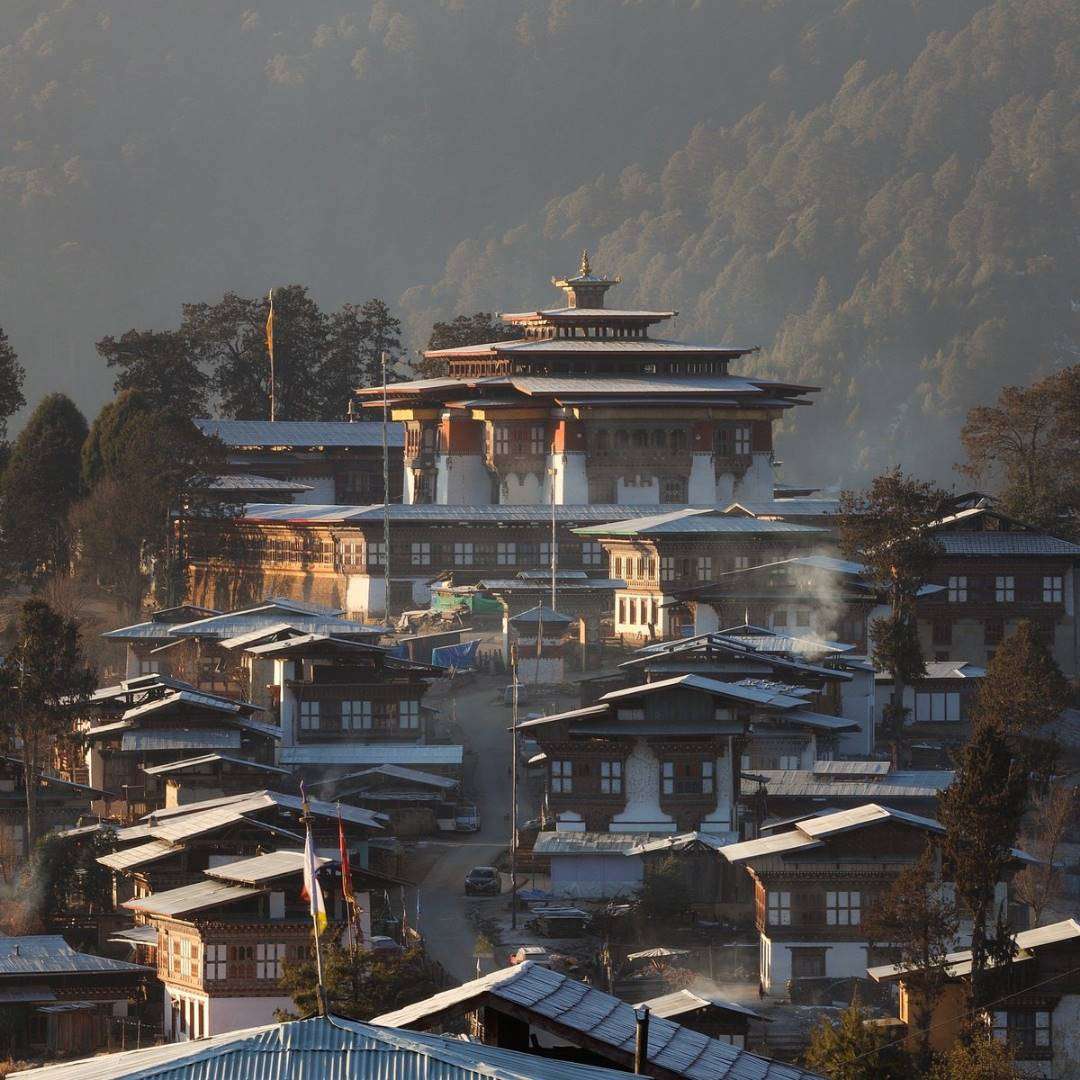
5. Gangtey Valley (Phobjikha)
For nature and landscape photography, Gangtey Valley (Phobjikha Valley) is one of Bhutan’s most spectacular locations.
This wide glacial valley is known for its pristine beauty, traditional farmhouses, and the winter migration of the rare Black-necked Cranes.
Photography opportunities:
- Misty mornings across the valley
- Traditional Bhutanese houses and farms
- Crane photography during winter (November–February)
6. Thimphu Local Market & Traditional Sports
In Thimphu, spend time at the weekend market, where locals gather to shop for fresh vegetables, incense, textiles, and traditional products like yak cheese. The lively atmosphere makes it an excellent place for candid portraits and vibrant street photography.
You can also capture Bhutan’s traditional sports such as archery and khuru (dart throwing), which are often played by locals in open grounds and villages. These games are commonly seen in places like Thimphu and Paro. Photographers can capture moments such as:
- Men in traditional gho aiming bamboo bows during archery matches
- Players throwing khuru darts with great skill and concentration
- Teammates celebrating successful shots with laughter, songs, and friendly competition
- Colorful prayer flags and the lively spirit of the local community.
7. Monasteries & Meeting the Monks
Bhutan’s monasteries are not just sacred—they’re photogenic treasures. Visit:
- Cheri Monastery near Thimphu for serene mountain shots and monk portraits
- Kurjey Lhakhang in Bumthang, surrounded by cypress trees and myth-rich walls
- Punakha Dzong, spectacularly placed at the confluence of two rivers
Monks—especially young ones—are often open to being photographed if you approach respectfully. Their warm smiles, crimson robes, and contemplative lives make for powerful, emotional imagery.
8. Villages with Traditional Architecture & Homestays
Step into Bhutan’s countryside and you’ll find timeless villages with traditional two- or three-story homes made of rammed earth, wood, and stone. Windows are intricately carved, and courtyards are filled with daily life: drying chilies, spinning prayer wheels, and children playing.
Stay in a local homestay in places like Haa, Ura, or Gangtey, where you can:
- Photograph the architecture and interiors
- Capture daily routines—cooking over firewood, weaving, churning butter
- Build connections that lead to genuine, candid portraits
9. Festivals: The Heart of Cultural Photography
No Bhutan photography tour is complete without a festival. Some top recommendations:
- Paro Tshechu (March/April) – Held at Rinpung Dzong, this is one of Bhutan’s most popular and photogenic festivals
- Thimphu Tshechu (September/October) – A huge gathering with spectacular dances in the courtyard of Tashichho Dzong
- Jambay Lhakhang Drup (October/November) – Famous for its nighttime fire dances and naked mask dances
- Domkhar Tshechu (April) – A smaller and more authentic village festival where photographers can capture intimate cultural moments, traditional dances, and the warm spirit of the local community.
Arrive early, find a good position, and bring a zoom lens to capture the details of costumes, masks, and expressions without disturbing the event.
Photography highlights:
- Masked dancers performing sacred ritual dances
- Portraits of villagers dressed in traditional Gho and Kira
- Close-up cultural moments in a smaller, authentic setting
- Beautiful rural surroundings of Bumthang Valley
10. Bumthang Valley
Often called the spiritual heart of Bhutan, Bumthang Valley is rich with ancient temples, peaceful countryside landscapes, and traditional Bhutanese villages.
The valley becomes especially photogenic during harvest season when golden fields stretch across the countryside.
Photography highlights:
- Historic temples and monasteries
- Authentic rural village life
- Scenic valleys and winding mountain roads
Photography Tips for Bhutan
- Be respectful: Always ask before taking photos of people, especially monks or elderly locals.
- Use the light: Early morning and late afternoon are best for soft lighting and spiritual ambiance.
- Pack wisely: A wide-angle lens for landscapes, a zoom lens for festivals and portraits, and weather protection for your gear.
- Ditch the drone: Drones are highly restricted in Bhutan. Avoid carrying them unless you have official permits.
Create Your Own Photography Story in Bhutan
With its untouched beauty and deep-rooted traditions, Bhutan offers something few destinations can: the chance to slow down and connect deeply with people, places, and moments. Whether it’s capturing the flicker of a butter lamp inside a monastery or the laughter of schoolchildren in a village yard, every click in Bhutan is a memory framed in authenticity.
At OMSHA Travel, we specialize in crafting photography tours that provide unique access to Bhutan’s festivals, monasteries, village life, homestays, and local traditions—giving photographers the time and space to observe, explore, and capture the perfect shot.
If you are passionate about photography, be sure to check out our 11-Day Bhutan Photography Tour, designed to take you to some of the most scenic and culturally rich locations in the country.
Contact us today to start planning your ultimate Bhutan Photography Tour and turn your camera into a storybook of Bhutan’s soul. 📸