
Bhutan Tour Packages:
Adventure
Festivals
Travel Tips:
Blog Posts:
- Traveling from Israel to Bhutan in 2027: Flights, Visa & Travel Guide
- When Is the Best Time to Visit Bhutan in 2027?
- Bhutan SDF 2027: Sustainable Development Fee Explained
- How to Get to Bhutan in 2027: Best Flight Routes via Kathmandu, Delhi, Bangkok & More
- Inside Amankora Bhutan: A Private Journey Through the Himalayas
Contact us:
Paro Taktsang, better known as Tiger’s Nest Monastery, is one of Bhutan’s most iconic landmarks. Perched dramatically on a cliff at around 3,120 metres above sea level, it is often considered a must-see for first-time visitors to Bhutan.
But for senior travellers, an important question comes up:
Can senior citizens actually hike to Tiger’s Nest?
The answer is yes, many senior citizens can, but age alone should not determine whether someone attempts the hike. Fitness, mobility, previous hiking experience, acclimatization and overall comfort with steep stairs are much more important.
The hike is not a technical climb, but it is a physically demanding mountain walk involving a sustained uphill ascent, altitude and numerous stone steps. The full excursion commonly takes around four to six hours, depending on pace and rest breaks.
For older travellers, the best approach is not to ask, “Am I too old for Tiger’s Nest?” Instead, ask:
“Can I comfortably manage a few hours of uphill walking and stairs at high altitude?”
How Difficult Is the Tiger’s Nest Hike?
The Tiger’s Nest trail starts at roughly 2,600 metres and climbs to about 3,120 metres. The trail is well established, but parts of it are steep, and the final section includes a descent towards a waterfall followed by a climb up stone stairs to the monastery.
A typical visit involves:
- Around 2–3 hours to reach the monastery, depending on pace
- A rest stop at the cafeteria
- A steep section after the main viewpoint
- Stone stairs around the waterfall and monastery entrance
- Time to visit the monastery
- Approximately 1.5–2 hours for the return journey
The descent can be particularly demanding for the knees, so senior travellers should not assume that going downhill will automatically be easier.
The Altitude Is Part of the Challenge
One of the biggest factors is not simply the distance—it is the altitude.
At more than 3,000 metres, the air is thinner than at sea level. Visitors who arrive in Bhutan without sufficient acclimatization may notice that they become breathless more quickly.
For this reason, it is sensible to spend some time in Bhutan before attempting Tiger’s Nest rather than making it the first major activity immediately after arrival.
Can Someone in Their 60s, 70s or 80s Do It?
There is no universal age limit for the hike.
Healthy and active travellers in their 60s and 70s regularly undertake the climb at a slower pace. Some travellers in their 80s may also be capable, but the decision should be based on individual mobility and fitness rather than age.
A senior traveller is more likely to enjoy Tiger’s Nest if they can already:
- Walk continuously for a couple of hours
- Manage stairs without major difficulty
- Walk comfortably on uneven surfaces
- Take a moderate uphill walk without becoming excessively exhausted
- Recover reasonably quickly after exertion
If someone has significant mobility limitations or concerns about heart, lung or other medical conditions, they should discuss the planned hike with their doctor before travelling.
There is no prize for reaching Tiger’s Nest quickly. A slower pace with plenty of breaks is usually a much better strategy.
What About Horses?
This is one of the most common questions from older visitors.
Horses or mules can be available for the uphill portion from the trailhead to around the halfway cafeteria. However, they do not take visitors all the way to Tiger’s Nest.
After the cafeteria, visitors must continue on foot, including the steep section, waterfall area and final stairs to the monastery.
Therefore, hiring a horse should not be considered a complete alternative to hiking.
It can, however, reduce the amount of uphill walking and may be useful for someone who is comfortable walking but finds the initial climb particularly tiring.
Availability and arrangements can vary, so senior travellers should discuss this with their local tour operator before relying on it.
The Best Strategy: Take Your Time
Senior travellers should approach Tiger’s Nest as a half-day experience rather than a race.
A comfortable strategy is:
Start early → walk slowly → take regular breaks → drink water → enjoy the scenery → continue only when comfortable.
The trail passes through beautiful pine forest, with prayer flags, mountain scenery and several viewpoints. There is no need to rush from one section to another.
A local guide can also help monitor the pace, suggest suitable rest points and make the experience less stressful.
Start Early
An early start is particularly useful for senior travellers.
Morning conditions are generally more comfortable than walking during the warmer part of the day, and an early start can help avoid some of the crowds.
Starting early also gives you more flexibility. If you need additional rest stops, you have plenty of time rather than feeling pressured to finish quickly.
Wear the Right Shoes
Good footwear makes a significant difference.
Choose:
- Comfortable walking or hiking shoes
- Shoes with good grip
- Well-broken-in footwear rather than brand-new shoes
- Socks that prevent rubbing and blisters
Avoid smooth-soled casual shoes or uncomfortable new footwear.
A walking stick or trekking pole can also be particularly helpful on the stairs and, especially, during the descent.
Carry Enough Water
Hydration is important, particularly because the altitude and physical exertion can make the hike feel harder than expected.
Carry water and drink regularly rather than waiting until you are extremely thirsty. A small snack can also be useful during the climb.
The cafeteria provides an opportunity to stop and rest along the route.
Don’t Make Tiger’s Nest Your First Activity
This is one of the most useful tips for older travellers.
Instead of arriving in Paro and immediately attempting Tiger’s Nest, consider spending the first part of your Bhutan holiday enjoying easier sightseeing.
For example:
Day 1: Arrive in Paro and relax
Day 2: Explore Paro and visit nearby cultural sites
Day 3: Visit Thimphu or Punakha
Later: Return to Paro for Tiger’s Nest
This gives your body time to adjust to Bhutan’s altitude before taking on the hike.
What If a Senior Traveller Cannot Complete the Hike?
This is important: you do not have to reach the monastery entrance for Tiger’s Nest to be worthwhile.
One of the most spectacular views of the monastery is from the viewpoint along the trail. A senior traveller who finds the climb too difficult can turn around rather than pushing beyond their comfortable limit.
The cafeteria and viewpoint provide excellent opportunities to rest, enjoy the mountain scenery and see the monastery dramatically positioned on the cliff.
In other words, a partial hike is still a worthwhile Tiger’s Nest experience.
Alternatives to the Full Tiger’s Nest Hike
If a traveller is unable or unwilling to complete the hike, Bhutan offers plenty of wonderful alternatives.
1. Tiger’s Nest Viewpoint
For travellers who are physically able to walk part of the trail, reaching the main viewpoint can provide the iconic view of the monastery without necessarily continuing through the most demanding final section.
This can be an excellent compromise for seniors.
2. Kyichu Lhakhang
Kyichu Lhakhang is one of Bhutan’s important and historic temples and is much easier to visit than Tiger’s Nest.
It can be incorporated into a relaxed Paro sightseeing day without the strenuous mountain climb.
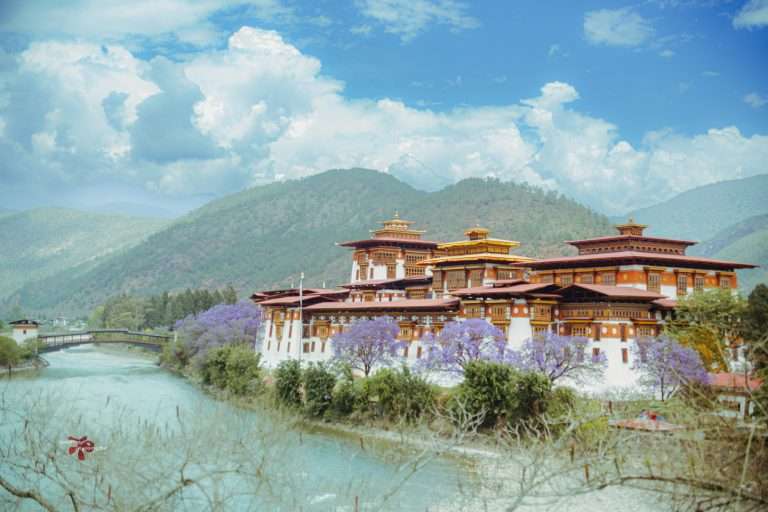
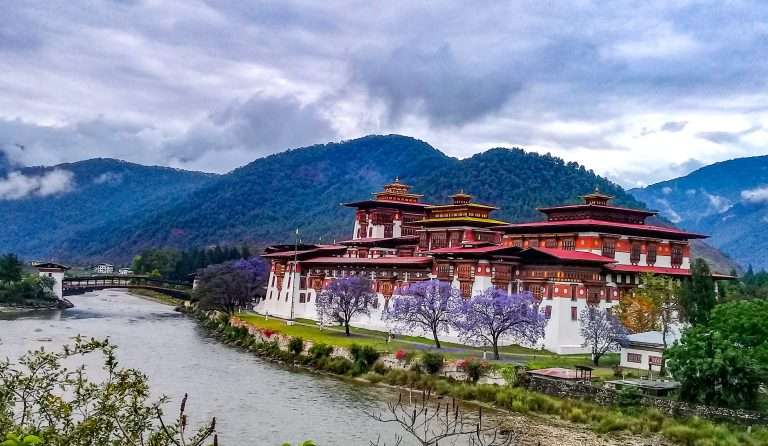
3. Rinpung Dzong
Rinpung Dzong offers an opportunity to experience Bhutanese architecture, culture and history without undertaking a four-to-six-hour mountain hike.
4. National Museum and Paro Valley Sightseeing
A relaxed day exploring Paro’s cultural attractions, viewpoints and valley scenery can be an excellent alternative for travellers who prefer a slower pace.
5. Thimphu Cultural Experiences
Senior travellers can also enjoy Bhutan through experiences that involve much less strenuous walking, such as visiting monasteries, dzongs, markets, traditional craft centres and cultural attractions in Thimphu.
A Senior-Friendly Bhutan Itinerary
For older travellers, the itinerary itself can make a major difference.
Rather than packing several demanding activities into every day, consider building in:
- Shorter sightseeing days
- Longer lunch and rest breaks
- Comfortable hotels
- Private transportation
- Flexible start times
- Extra time for acclimatization
- One major activity rather than several strenuous activities per day
A private Bhutan tour is particularly useful because the itinerary can be adjusted according to the traveller’s walking speed and energy level.
Practical Packing Tips for Senior Travellers
For Tiger’s Nest, keep your daypack light.
Useful items include:
- Comfortable walking shoes
- Water bottle
- Walking stick or trekking pole
- Light jacket
- Sun protection
- Hat
- Sunglasses
- Small snacks
- Personal medications
- Small amount of cash
- Phone or camera for the trail
Remember that photography restrictions apply inside the monastery, so enjoy the exterior viewpoints and scenery before entering the sacred interior spaces.
When Should Seniors Avoid Pushing Themselves?
Tiger’s Nest should be approached conservatively if someone is experiencing unusual breathlessness, dizziness, severe headache, nausea, weakness or other concerning symptoms.
Stop, rest and communicate with your guide if you feel unwell. If symptoms worsen, descending to a lower altitude is safer than trying to complete the climb.
The goal is not simply to reach the monastery. The goal is to enjoy Bhutan safely.
So, Is Tiger’s Nest Suitable for Senior Citizens?
Yes—but it depends on the individual.
A healthy, reasonably active senior citizen may be perfectly capable of completing the Tiger’s Nest hike. The key is to allow enough time, acclimatize properly, walk slowly and take frequent breaks.
For travellers who cannot manage the full hike, there is no reason to exclude Tiger’s Nest completely. Reaching the viewpoint or cafeteria can still provide a memorable experience, while Paro and the rest of Bhutan offer many cultural and scenic alternatives.
The Most Important Advice
Don’t decide based on age alone.
A fit 70-year-old who regularly walks may find the hike manageable, while a much younger traveller who is not accustomed to uphill walking may struggle.
Assess fitness, mobility and comfort with stairs—not the number on your passport.
For senior travellers planning a private Bhutan holiday, the best approach is to build the itinerary around their individual pace. A good Bhutan tour operator can arrange private transportation, flexible sightseeing, appropriate rest periods and alternative activities so that travellers can enjoy Bhutan without feeling pressured to complete every hike.
Tiger’s Nest is an unforgettable experience—but enjoying Bhutan is more important than conquering a mountain.
Let Us Plan a Comfortable Bhutan Journey for You
Every senior traveller is different. Some may comfortably hike to Tiger’s Nest, while others may prefer to reach the viewpoint and spend more time exploring Paro, Thimphu and Punakha.
Tell us your age group, walking ability, travel dates and interests, and we can create a private Bhutan itinerary that matches your pace.
👉 [Plan Your Private Bhutan Tour with OMSHA Travel]
Whether Tiger’s Nest is the highlight of your journey or simply one part of a slower cultural adventure, our goal is to make your Bhutan experience comfortable, flexible and memorable.