Bhutan Tour Packages:
Adventure
Festivals
Travel Tips:
Blog Posts:
- Traveling from Israel to Bhutan in 2027: Flights, Visa & Travel Guide
- When Is the Best Time to Visit Bhutan in 2027?
- Bhutan SDF 2027: Sustainable Development Fee Explained
- How to Get to Bhutan in 2027: Best Flight Routes via Kathmandu, Delhi, Bangkok & More
- Inside Amankora Bhutan: A Private Journey Through the Himalayas
Contact us:
A Complete Tour Planning Guide to Trashigang, Trashiyangtse, Lhuentse & Merak-Sakten
If you are looking to explore a quieter, more authentic side of Bhutan, Eastern Bhutan offers a deeply spiritual and culturally rich journey. From the sacred pilgrimage site of Gomphu Kora to the wild beauty of Merak-Sakten, this region remains one of the most untouched and rewarding parts of the Kingdom.
This complete travel guide will help you plan a seamless journey through Trashigang, Trashiyangtse, Lhuentse and beyond.
Why Visit Eastern Bhutan?
Eastern Bhutan offers:
- Authentic village life
- Fewer tourists and peaceful landscapes
- Unique semi-nomadic cultures
- Important pilgrimage sites
- Untouched Himalayan scenery
- Distinct regional textiles and handicrafts
This region is ideal for travelers who want to go beyond the classic Paro–Thimphu–Punakha circuit.
Getting There – Entering Eastern Bhutan from India
For travelers coming from India, the most practical route into Eastern Bhutan is via Guwahati, Assam, to Samdrup Jongkhar, the gateway town near the Bhutan–India border.
Step-by-Step Travel:
- Fly to Guwahati (Lokpriya Gopinath Bordoloi International Airport, GAU)
- Guwahati is well-connected to major Indian cities like Delhi, Mumbai, Kolkata, Bangalore, and Chennai.
- Several airlines operate daily flights, making it convenient for international and domestic travelers.
- Drive from Guwahati to Samdrup Jongkhar
- Distance: ~250 km, approximately 6–7 hours by road.
- The route passes through scenic Assam valleys and foothills of Bhutan.
- Travelers require a Bhutanese tour operator to handle permits and logistics for entering Bhutan.
- Entry at Samdrup Jongkhar
- Travelers present their passports, visas, and permit letters.
- From here, the journey continues north toward Trashigang and other eastern districts.
Tips for Smooth Entry:
- Ensure all documents (passport, visa, and tour permits) are ready and valid.
- Travel in daylight if possible; roads in eastern Bhutan can be winding.
- Hiring a reliable local driver through your tour operator ensures comfort and safety.
1. Gomphu Kora – Sacred Pilgrimage Site
Located near Trashiyangtse, Gomphu Kora is one of Eastern Bhutan’s most sacred spiritual sites.
Spiritual Significance
According to legend, Guru Rinpoche subdued a powerful demon here and meditated inside a cave. The temple is built around a sacred rock and cave where he practiced.
Gomphu Kora Festival
The annual Gomphu Kora Tshechu is especially significant for:
- Pilgrims from Eastern Bhutan
- Visitors from neighboring Arunachal Pradesh (India)
- Traditional camping by devotees around the temple
This festival offers a rare, intimate cultural experience compared to larger western Bhutan festivals.
2. Trashigang – The Eastern Hub
Trashigang is the largest town in Eastern Bhutan and serves as the main base for exploring the region.
Top Attractions:
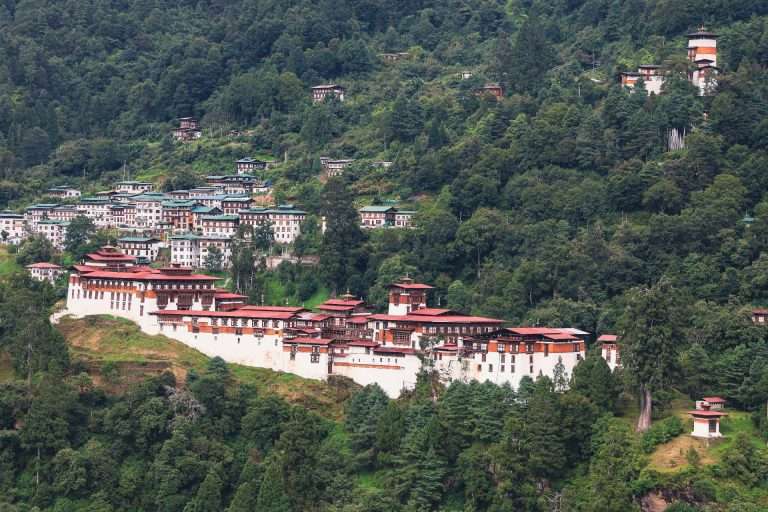
- Trashigang Dzong overlooking the Dangmechhu River
- Traditional markets
- Radhi Village (famous for silk weaving)
- Drametse Monastery (home of the Drametse Ngacham mask dance)
Trashigang blends traditional culture with vibrant local life.
3. Trashiyangtse – Spiritual & Artistic Center
North of Trashigang lies Trashiyangtse, known for its peaceful atmosphere and artistic traditions.
Must-See Places:
- Gomphu Kora
- Chorten Kora (a stupa inspired by Nepal’s Boudhanath)
- Traditional wooden bowl (dapa) craftsmanship villages
Trashiyangtse feels remote, authentic, and deeply spiritual.
4. Merak-Sakten – Land of the Brokpas
For adventurous travelers, Merak-Sakten is a cultural gem.
What Makes It Unique?
- Home of the Brokpa semi-nomadic community
- Distinct dress and yak-based lifestyle
- Alpine meadows and remote mountain villages
- Trekking opportunities with minimal tourist traffic
This region offers raw Himalayan beauty and rare cultural immersion.
5. Lhuentse – Land of the Royal Legacy
Lhuentse is an ancient district in Eastern Bhutan, renowned for its:
- Historical dzongs perched on cliffs
- Traditional weaving villages, famous for intricate kushutara textiles
- Scenic mountain views and remote Himalayan culture
Lhuentse provides insight into Bhutan’s spiritual history and textile heritage, making it an essential stop for culturally minded travelers.
Traveling Further to Central & Western Bhutan
After exploring Eastern Bhutan, your journey can continue to central Bhutan and finally to western Bhutan, giving a complete experience of the Kingdom.
Suggested Route:
- Central Bhutan
- Bumthang Valley – Sacred temples, dzongs, and rolling landscapes
- Trongsa – Historical dzong and museum, heart of Bhutanese monarchy
- Western Bhutan
- Punakha – Punakha Dzong, suspension bridge, river rafting options
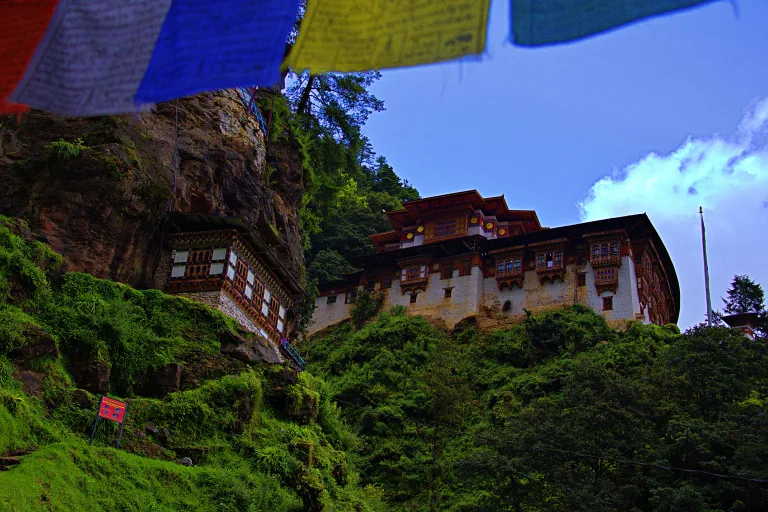
- Paro – Iconic Tiger’s Nest Monastery, Rinpung Dzong, final departure point
This route ensures that travelers experience Bhutan’s diversity: from remote eastern villages to cultural and historical centers in central Bhutan, finishing with the scenic western highlights.
Best Time to Visit Eastern Bhutan
- March–May: Pleasant weather and festivals (including Gomphu Kora Tshechu)
- September–November: Clear skies and beautiful mountain views
Winter: Cold but peaceful with fewer travelers
Travel Logistics & Planning Tips
1. Travel Permits
All international tourists must book through a licensed Bhutanese tour operator.
2. Transportation
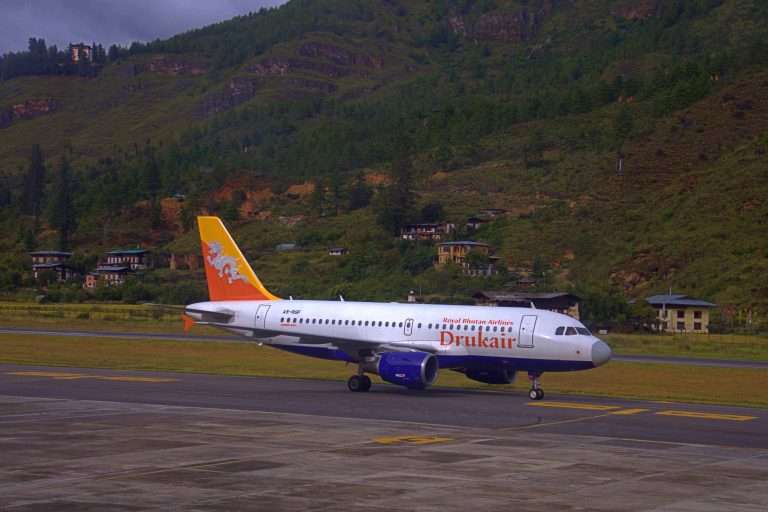
Road travel is the primary way to reach Eastern Bhutan. Domestic flights to Yonphula (Trashigang) operate seasonally.
3. Accommodation
Eastern Bhutan offers:
- Comfortable 3-star hotels
- Boutique lodges
- Farm stays in some villages
Luxury options are limited compared to western Bhutan, but authenticity is unmatched.
4. Physical Preparation
- Expect long drives
- Light hiking involved
- Moderate altitude
Why Combine Gangtey with Eastern Bhutan?
Starting your journey in Gangtey allows you to:
- Gradually move from central to eastern Bhutan
- Experience both crane-filled valleys and remote Himalayan culture
- Balance comfort with adventure
Final Thoughts
A journey to Gomphu Kora and Eastern Bhutan is not just sightseeing — it is a cultural immersion into Bhutan’s lesser-known heartland. From sacred caves and ancient dzongs to yak-herding communities in Merak-Sakten, this route rewards travelers seeking depth, spirituality, and authenticity.
If you are planning a longer Bhutan itinerary and wish to go beyond the usual highlights, Eastern Bhutan offers one of the most meaningful travel experiences in the Himalayas.
Plan Your Eastern Bhutan Journey with OMSHA Travel
Eastern Bhutan is one of the most authentic and least-explored regions of Bhutan, offering pristine landscapes, ancient monasteries, and vibrant local festivals like Gomphu Kora. Traveling in this region requires careful planning due to longer driving distances and limited infrastructure — and that’s where we can help.
At OMSHA Travel, we specialize in creating seamless and meaningful journeys across Eastern Bhutan, including destinations such as Trashiyangtse, Trashigang, Mongar, and Lhuentse.