EXCELLENT Based on 155 reviews
 Posted on Tripadvisor
 Kornel P23 August 2026Superb experience in the land of the thunder dragon Absolutely amazing experience, our guide was extremely knowledgeable and had a superb ability to talk about all that he knew. We learned a lot about Bhutan and truly enjoyed every part of our 4 day stay it was quite extensive. Highly recommend to anybody looking to visit and understand Bhutan.Posted on Tripadvisor
 Kierthini N22 August 2026An Authentic, Meaningful Bhutan Experience Thank you, Omsha Travel, for making this journey so much more than just an itinerary. I’m was a solo female traveler from Malaysia and I stayed in Bhutan for 8 days. I had done my own research and revised the itinerary based on the places and experiences I wanted to cover. Mr. Nawang took that and made it happen while also adding in experiences I could have easily missed. That was the best part. He understood what I wanted from this trip and helped me experience and explore Bhutan more wholesomely, with so much thought and hospitality along the way. And then came Mr. Lhazin, quite possibly the best guide I could have asked for. This trip truly became a spiritual journey for me. We spoke about so many things; religion, beliefs, life and perspectives and it was refreshing to exchange opinions and have meaningful conversations. His knowledge of nature was mind blowing, and I genuinely learnt so much from him. Then there was Mr. Tashi, who drove me through all the “scenic” roads I kept requesting because I wanted to experience Bhutan in its rawest form. And he made it happen, while constantly making sure I was safe. These two made sure I ticked off my bucket list while keeping me safe, exactly what my family is always worried about. So, fam, that part was well taken care of! I came to Bhutan looking for an experience, but I’m leaving with stories, perspectives, knowledge and two people I’ll genuinely remember. Thank you, Omsha Travel, Mr. Nawang, Mr. Lhazin and Mr. Tashi, for making my journey through Bhutan so wholesome.Posted on Tripadvisor
 Rivet L22 August 2026A trip of a lifetime with the perfect team I had an amazing time with OMSHA Travel in Bhutan. Since the first email exchange I have felt very well taken care of, they were incredibly responsive and willing to accommodate each and every of my adjustment requests and travel plan changes. After arriving in Bhutan my lovely guide Sonam picked me up from the airport together with the driver Nawang. Sonam is very kind and knowledgeable, I had so many questions about the culture, every day life, food, Buddhism, and she always had an answer to satisfy my curiosity. As it was a private tour, they gave me the flexibility to adjust our route as we were going too! Nawang is a great driver and such a sweet person! The car was very comfortable and all the accommodation chosen for me beautiful and picturesque. People surrounding me were all so very nice, it really felt like making good friends while exploring this beautiful country. I'm definitely coming back some time in the future and I'm definitely recommending OMSHA to all my friends! Thank you Sonam and Nawang!Posted on Tripadvisor
 Tomasz P16 August 2026Mindful experience and more Great experience and exploring of Bhutan with lovely people. We had a tailor made offer for our near 4 day stay. Appreciate the flexibility and helpfulness in organization of our trip and the full package. Friendly and knowledgeable guide helped us to understand the country, culture and people. We enjoyed every moment of this fascinating trip.Posted on Tripadvisor
 Jorg H12 July 2026perfect days in Bhutan We were so lucky to have Sonam as our guide for our 8 day tour of Bhutan. Everything along the way was perfect and we had no difficulties at all. Sonam was friendly, funny and entertaining, but what really blew us away was her knowledge of the history of Bhutan and Buddhism and her ability to tell the stories and legends of the various characters in Buddhism that we encountered. He knowledge really helped to enhance our enjoyment of Bhutan as well as our other travels into Tibet and China. I also want to mention our driver Nawang. He was a very calm and careful driver and we appreciated his driving over some challenging roads. We never felt scared or nervous and he never lost his cool, or became frustrated with other drivers. Overall, our guide and driver team made our trip to Bhutan easy, educational, fun, interesting, safe and fantastic!! The tour itself was well thought out, customized according to our interests, competitively priced and communication with Ngawang (not sure about spelling) the owner was very timely and clear.Posted on Tripadvisor
 Rita D3 July 2026Excellent Price to Value Tour Fabulous Tour! We appreciated that OMSHA was responsive from inquiry to final booking. Price to value was excellent. We liked the selected itinerary and appreciated that we could make changes as needed. Our guides Sonam and Tashi were knowledgeable and professional and we had great conversations. It felt more like traveling with friends than with a tour. I would highly recommend OMSHA. You won't be disappointed!Posted on Tripadvisor
 Michael S16 June 2026Hassle free and flexible Communication was quick and clear from the start. Personable. Individualized itineraries but hassle free. Flexible. Tour guide was great at adjusting plans to better fit my style as the trip progressed. Undoubtedly the way to go. No regrets!Posted on Tripadvisor
 rayaro15 June 2026Marvelous Bhutan We had a group of friends and family on 7 days tour of Western Bhutan. Level of service provided by OMSHA travel was unmatched in many areas. From the pick up at the airport, Sonam and Ganesh kept our exploration of Bhutan flawless. Our requests to visit specific areas and activities were accommodated. We spent a night in a homestay in Gasa, visited hot springs, had a lovely riverside birthday picnic and attended Folklore Show that was a highlight of our trip. Nawang handled all communications and financial details thoroughly and transparently.Posted on Tripadvisor
 Wander340623001438 June 2026Amazing Bhutan We traveled to Bhutan in June 2026, and Omsha Travels made our holiday a truly wonderful experience. From the very beginning, the booking process was seamless and professional. The entire trip was planned to perfection, allowing us to relax and fully enjoy the beauty, culture, and unique environment of Bhutan. A special thanks to the owner for the warm hospitality and excellent arrangements. We are also grateful to our tour guide, Lhazin Dorji, whose knowledge and enthusiasm helped us gain a deeper understanding of Bhutan’s rich culture and way of life. He was really accommodating and helped fulfill our every wish. Our driver was equally wonderful, ensuring a safe, comfortable, and enjoyable journey. This holiday gave us unforgettable memories and a genuine glimpse into the amazing lifestyle and traditions of Bhutan. We are very happy clients and would highly recommend Omsha Travels to anyone planning a visit. We look forward to returning again in the future!Posted on Tripadvisor
 Anya B7 June 2026Unforgettable trip to Bhutan! A wonderful experience from start to finish! One of the most memorable trips we have taken. Sonam was knowledgeable, attentive & passionate about sharing Bhutan. We appreciated the warmth and kindness shown throughout the journey. We leave Bhutan with wonderful memories and a much greater appreciation for this remarkable country.
Bhutan Tour Packages:
Adventure
Festivals
Travel Tips:
Blog Posts:
- How to Get to Bhutan in 2027: Best Flight Routes via Kathmandu, Delhi, Bangkok & More
- Inside Amankora Bhutan: A Private Journey Through the Himalayas
- Planning to Visit Bhutan for Festivals in 2027? Best Festivals, Dates & Planning Guide
- Bhutan Travel Guide 2027: Everything You Need to Know Before You Go
- Visit Druk Wangyel Festival in December: A Guide to Dochula Pass
Contact us:
When it comes to Bhutan travel, most visitors think of soaring Himalayan peaks, pristine monasteries, and rich cultural traditions. Yet, one of the most intriguing aspects of Bhutan’s natural heritage is its national animal, the Takin. Unlike any other creature in the world, the takin is not only a symbol of Bhutan’s unique biodiversity but also a reflection of the country’s deep-rooted spiritual and mythological traditions. In this blog, we will explore why the takin is called the takin, its origin, history, and the fascinating stories behind its mythical existence, all while providing insights into places to visit in Bhutan and the opportunities offered by Bhutan tour operators.
What is a Takin?
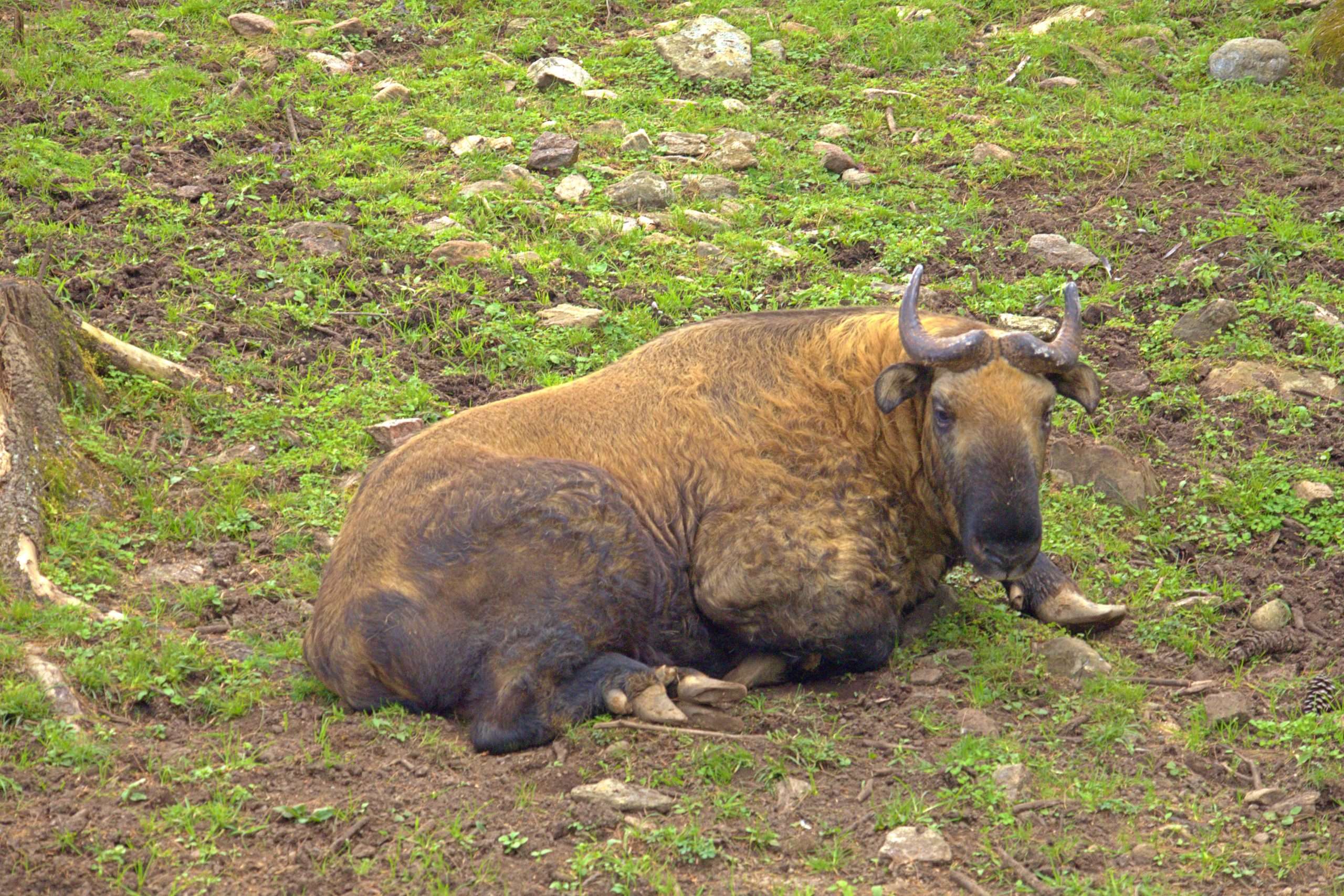
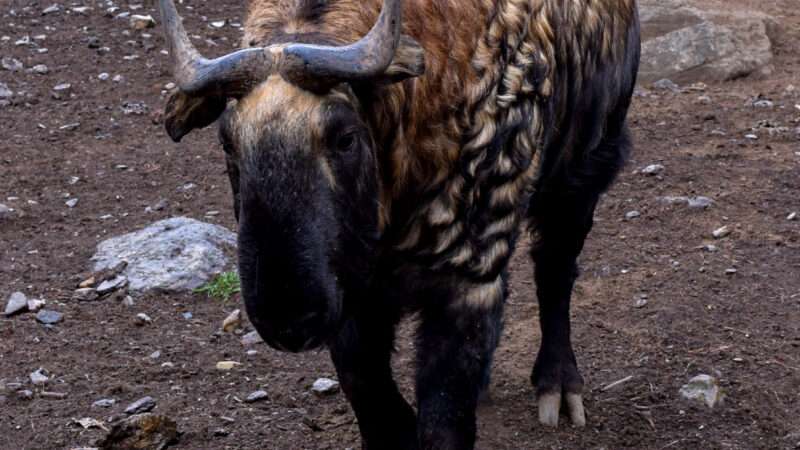
The takin (Budorcas taxicolor) is a large, hoofed mammal that belongs to the goat-antelope family. Found in the high-altitude regions of the eastern Himalayas, the takin roams the alpine meadows and dense forests, perfectly adapted to the rugged mountainous terrain. With its sturdy, muscular build, a broad snout, and a distinctively humped nose, the takin has a remarkable appearance that is often described as a cross between a cow, a goat, and a musk ox.
Native to Bhutan, India, China, and parts of northern Myanmar, the takin is considered vulnerable due to habitat loss and poaching. However, in Bhutan, this revered animal enjoys protection, both for its role in the ecosystem and its deep connection to Bhutanese culture and folklore. As Bhutan’s national animal, the takin plays an essential role in Bhutanese identity, making it a must-see for nature lovers exploring Bhutan tour packages.
Why is it Called a Takin?
The origin of the word “takin” is shrouded in uncertainty, as it is believed to be derived from the local language in Bhutan or Tibet. While the precise linguistic root is unclear, the term has come to signify this unique animal that occupies the high-altitude forests of Bhutan. It is a word that resonates with both its natural and spiritual significance.
In Bhutan, the takin is known for its association with one of the country’s most beloved saints, Drukpa Kunley, also known as the Divine Madman. This legendary figure plays a pivotal role in the animal’s name and origin story, tying it deeply to Bhutan’s mythological traditions.
The Mythological Origins of the Takin
When visiting Bhutan, especially through a Bhutan travel agency or guided Bhutan tour, one of the most interesting stories you will hear is the legend of the takin’s creation. This story traces back to the 15th century and involves the charismatic and eccentric saint, Drukpa Kunley. Famous for his unconventional approach to Buddhism, Drukpa Kunley, known as the Divine Madman, used humor, riddles, and unconventional actions to spread his teachings.
According to the most popular legend, during one of Drukpa Kunley’s travels, he was asked by his followers to perform a miracle. In response, he humorously demanded a whole goat and cow for lunch. After eating the meal, he took the bones of the two animals, combined them, and miraculously created a new creature with the head of a goat and the body of a cow. This animal came to life as the takin.
This mythical story of the takin’s creation has cemented its status as a sacred and revered animal in Bhutan. Today, visitors to Bhutan can learn about this fascinating legend while on Bhutan tour packages or during cultural excursions organized by Bhutan tour operators.
The Importance of the Takin in Bhutanese Culture
The takin is more than just an animal in Bhutan—it is a cultural icon and an embodiment of the country’s values and spiritual beliefs. Its close association with Drukpa Kunley, a symbol of irreverence and spiritual wisdom, underscores Bhutan’s unique approach to Buddhism, which often blends serious religious devotion with humor and folklore.
In recognition of its cultural and spiritual significance, the takin was declared Bhutan’s national animal in 1985. It represents not only the country’s reverence for nature but also its commitment to preserving wildlife and natural habitats. This commitment to conservation is evident in Bhutan’s policy of environmental protection, where over 70% of the land is under forest cover, and wildlife protection is prioritized.
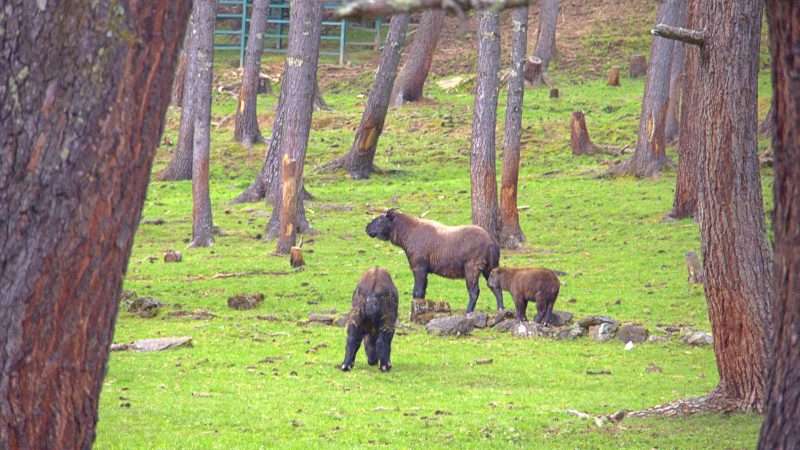
For those exploring places to visit in Bhutan, the Motithang Takin Preserve in Thimphu is one of the top spots to see this majestic animal up close. Originally a mini-zoo, the preserve was transformed into a wildlife sanctuary to provide a more natural habitat for the takins. Visitors can observe the takins as they graze peacefully in their lush surroundings while learning about Bhutan’s conservation efforts.
Takin and Its Role in Bhutanese Ecosystems
The takin plays a crucial role in the fragile ecosystems of Bhutan’s high-altitude regions. As herbivores, they graze on leaves, grasses, and shrubs, helping to maintain the balance of vegetation in the alpine meadows and forests they inhabit. Takins are also well-adapted to the harsh environments of the Himalayas, thriving in elevations between 3,000 to 4,500 meters, where they endure extreme temperatures.
For wildlife enthusiasts on a Bhutan tour, spotting a takin in its natural habitat is a rare and rewarding experience. Some of the best places to catch a glimpse of this elusive creature are the high-altitude regions of Jigme Dorji National Park and Sakteng Wildlife Sanctuary, both of which are rich in biodiversity and a must-visit for those interested in Bhutan’s wildlife.
Conservation Efforts and Takin Preservation
Bhutan’s commitment to wildlife conservation has been instrumental in protecting the takin. Although the species is listed as “vulnerable” by the IUCN due to habitat loss and hunting in other parts of its range, Bhutan has taken significant steps to safeguard the takin population. The Motithang Takin Preserve in Thimphu serves as both a sanctuary for the takin and an educational center, raising awareness about the importance of protecting Bhutan’s wildlife.
As part of a Bhutan tour package, visiting the Motithang Takin Preserve provides a unique opportunity to learn more about Bhutan’s wildlife conservation initiatives and its dedication to protecting endangered species. The preserve is also home to other animals, including the Himalayan serow and sambar deer, making it an excellent stop for nature enthusiasts.
Things to See in Bhutan: Takin and Beyond
For visitors interested in exploring Bhutan’s wildlife, including the takin, there are plenty of opportunities to combine cultural exploration with wildlife viewing. Many Bhutan tour operators offer customized packages that include visits to national parks, nature reserves, and wildlife sanctuaries. These packages often include stops at the Motithang Takin Preserve, Jigme Dorji National Park, and Sakteng Wildlife Sanctuary.
However, the takin is just one of the many remarkable things to see in Bhutan. From the famous Tiger’s Nest Monastery to the magnificent Punakha Dzong, Bhutan is full of cultural landmarks and natural wonders that captivate the imagination. Whether you’re trekking through its pristine valleys or learning about its rich spiritual heritage, Bhutan offers a travel experience like no other.
Why Choose a Bhutan Tour Package?
For those planning to see the takin and explore Bhutan’s other attractions, booking a Bhutan tour package is highly recommended. These packages, offered by reputable Bhutan tour operators, ensure that visitors experience the best that the country has to offer, from its vibrant wildlife to its cultural treasures. Tour packages often include guided tours of Bhutan’s national parks, wildlife sanctuaries, and historic sites, providing a comprehensive and immersive experience.
When planning your Bhutan travel, be sure to include the takin on your list of must-see attractions. Whether you’re interested in the mythical stories behind its origin, its role in Bhutanese culture, or the efforts to protect its habitat, the takin stands as a symbol of Bhutan’s unique blend of nature, spirituality, and tradition.
Conclusion
The takin, with its mysterious origins and cultural significance, embodies the essence of Bhutan—a country where nature and spirituality are intertwined. As you embark on your Bhutan travel adventure, make sure to visit the Motithang Takin Preserve and the many other places to visit in Bhutan where this magnificent animal roams. Whether you’re interested in its mythological background or its role in Bhutanese wildlife, the takin is a creature that will undoubtedly leave a lasting impression.
Book your Bhutan tour package today and experience the beauty and mystery of the takin, Bhutan’s national animal.